Skin tolerance refers to the skin’s ability to withstand external stressors—cosmetics, sun exposure, pollution, cold, friction, and microorganisms—without triggering an inflammatory reaction or sensitization. Good tolerance rests on three pillars: an intact skin barrier, a balanced microbiome, and a non-hyperreactive skin immune system. When one of these pillars is compromised, the skin becomes less “tolerant”: it stings, reddens, itches, and reacts to products it previously tolerated. Building tolerance is a long-term process that takes several weeks, using targeted active ingredients and a simplified skincare routine.
Here are a few practical guidelines to help you assess your skin’s tolerance:
To test a product before using it on your face, perform a patch test: apply a small amount to the crook of your elbow or behind your ear for 48 hours, and watch for any redness, tingling, or rash. If there is no reaction, the product is expected to be well-tolerated.
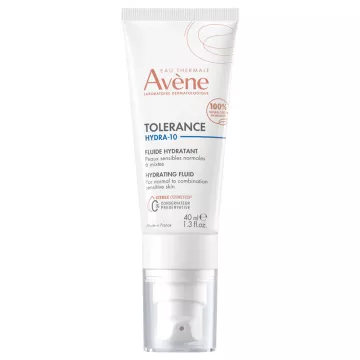
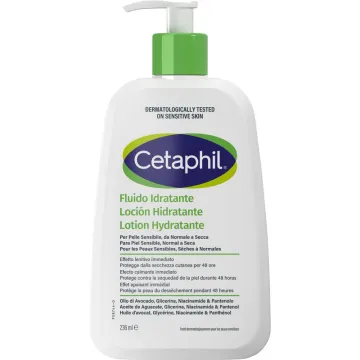
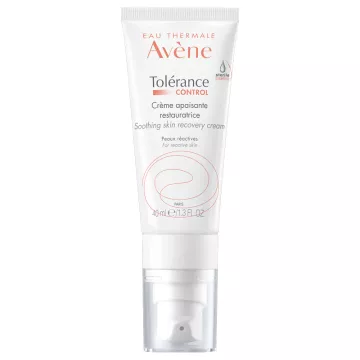
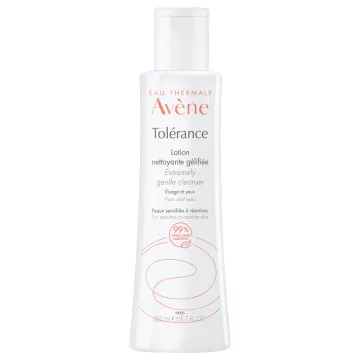
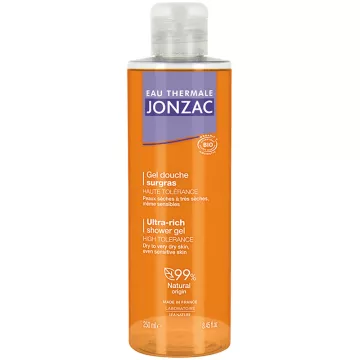
A routine for sensitive skin consists of 3 to 4 carefully selected products —never more. Morning: very gentle cleansing with micellar water or a no-rinse syndet, followed by a spritz of soothing thermal water (Avène, La Roche-Posay, Uriage), a moisturizer rich in ceramides and niacinamide, and mineral sunscreen (zinc oxide, titanium dioxide). Evening: gentle makeup removal with micellar water, followed by application of a lipid-replenishing balm or a nourishing cream. Avoid strong active ingredients in your routine (retinol, AHAs, BHAs, and concentrated vitamin C should be avoided during the recovery phase). Follow the recovery phase for 4 to 6 weeks before reintroducing any of these ingredients.
Soothing, restorative ingredients calm inflammatory reactions:
Several cumulative factors can reduce skin tolerance: using too many cosmetic products, combining strong active ingredients in the same routine, sensitizing fragrances and preservatives (methylisothiazolinone, formaldehyde, and its releasers), denatured alcohols listed at the beginning of the INCI list, repeated sun exposure without sun protection, urban pollution, hard water, dry central heating, prolonged air conditioning, and repeated mechanical friction. Chronic stress raises cortisol levels, which amplifies skin inflammation. Smoking reduces microcirculation and impairs cellular oxygenation. An unbalanced diet low in antioxidants and omega-3s limits collagen quality and skin resilience.
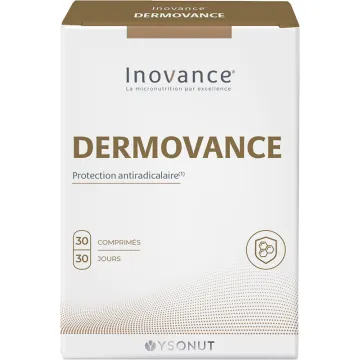
Oral supplementation enhances the effects of topical treatments. Omega-3s (EPA, DHA, ALA) help regulate skin inflammation. A 2- to 3-month course of zinc helps address inflammatory conditions. Vitamin E and selenium are antioxidants with documented benefits for the skin. Oral probiotics with skin benefits (Lactobacillus rhamnosus, paracasei) modulate the intestinal immune response and, indirectly, the skin. Borage andevening primrose oils, rich in gamma-linolenic acid, support skin prone to recurring dryness.