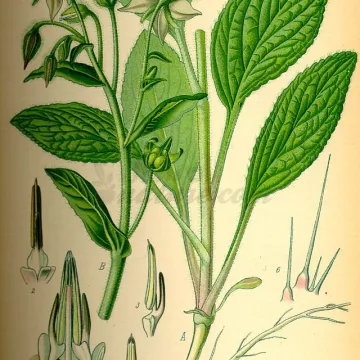
Borage (Borago officinalis) is an annual herb native to the Mediterranean region, recognizable by its star-shaped blue flowers and hairy leaves. Its seeds yield a vegetable oil that is exceptionally rich in gamma-linolenic acid, an essential omega-6 fatty acid rarely found in such high concentrations in the plant kingdom. This unique characteristic explains its widespread use in cosmetics and nutrition, particularly in addressing key aspects of women’s well-being and skin aging.
The benefits of borage stem from its seed oil—a source of GLA—and its antioxidants. It is an excellent addition to skincare routines designed to support skin that has become fragile due to aging or hormonal fluctuations.
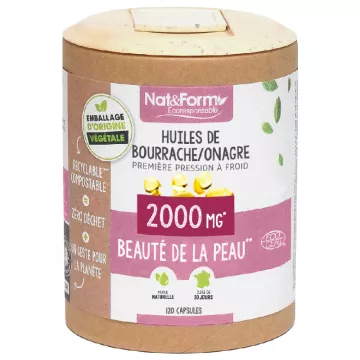
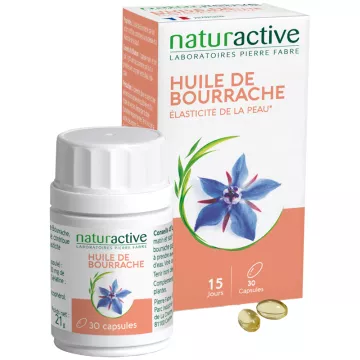
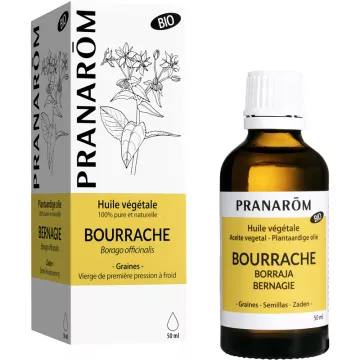
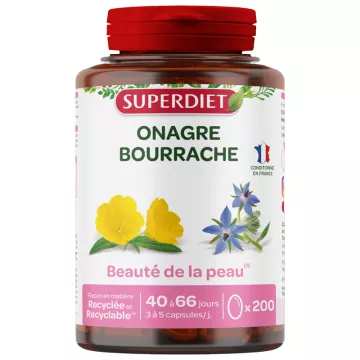
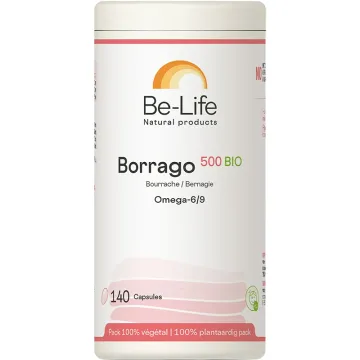
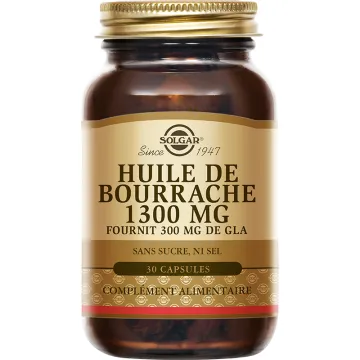
Borage is available in several forms, to be chosen depending on whether you are looking for a cosmetic product or a dietary supplement for skinhydration.
Borage oil is particularly beneficial for sensitive skin. Rich in gamma-linolenic acid, it helps restore the skin barrier in dry and mature skin.
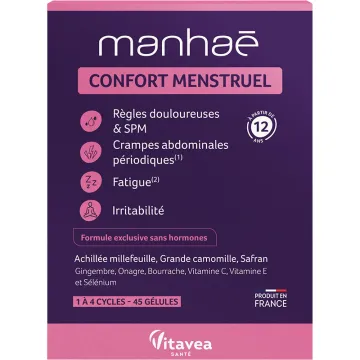
Borage is traditionally used to help with certain women’s discomforts related to hormonal fluctuations. It may support skin and emotional comfort during premenstrual syndrome and throughout the stages of the female hormonal cycle. Its effects on overall hormonal balance have yet to be scientifically confirmed: borage is not a substitute for appropriate medical care, particularly in cases of debilitating symptoms.
The dosage depends on the form chosen and the intended purpose. To support the skin and the immune system on a daily basis, oil capsules are the easiest form to dose.
Consult your pharmacist before starting any prolonged treatment, especially if you are also taking omega-3 supplements or undergoing medical treatment.
Borage is not harmless, particularly in the form of leaves or flowers. The plant naturally contains pyrrolizidine alkaloids (PAs), which are hepatotoxic compounds according to assessments by the EFSA and ANSES. Refined oil extracted from the seeds is free of these compounds; herbal teas should never be consumed as part of a prolonged treatment regimen, especially since protecting the liver remains a key concern.
Any severe allergic reaction, such as angioedema (facial swelling, difficulty breathing), requires immediately calling 15 or 112; any signof an unusualinflammatory reaction should also lead to discontinuing the treatment.
For high-quality borage, selection is just as important as dosage: a good product ensures an optimal intake of GLA and synergy with other antioxidants such as vitamin C, without pyrrolizidine alkaloids.