



The female hormonal cycle is regulated by a precise hormonal cascade involving the hypothalamus, the pituitary gland, and the ovaries. It is divided into three successive phases, lasting a total of 21 to 35 days depending on the woman:
This cycle is not a simple clock: stress, diet, sleep, and overall health constantly influence it.
Trackingovulation is helpful both for maximizing your chances of conception and for better understanding your cycle. The most reliable physiological signs are:
Cycle-tracking apps or urine ovulation tests can help confirm these signs and identify the fertile window more accurately.
Several conditions can interfere with cycle regularity and hormone production:
These conditions require a medical evaluation (hormone panel, pelvic ultrasound) and appropriate treatment. They should not be dismissed as trivial, because if left untreated, they can have a lasting impact on fertility.
Chronic stress disrupts the hypothalamic-pituitary-ovarian (HPO) axis, which regulates the entire cycle. Excess cortisol inhibits GnRH secretion by the hypothalamus, reducing the production of FSH and LH. As a result, ovulation may be delayed, absent, or occur at an unusual time in the cycle, leading to short, long, or anovulatory cycles. Adequate magnesium intake and stress management techniques (meditation, yoga, cardiac coherence) help maintain a regular cycle.
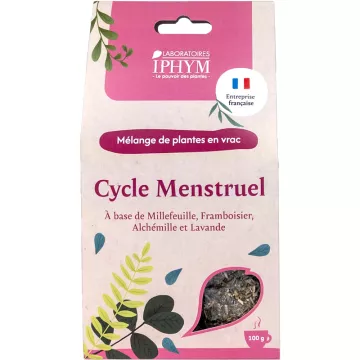
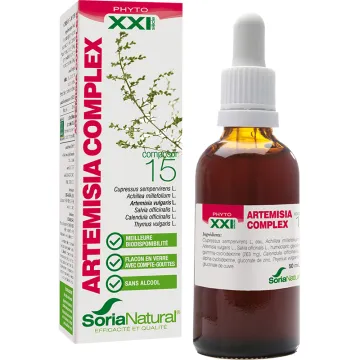
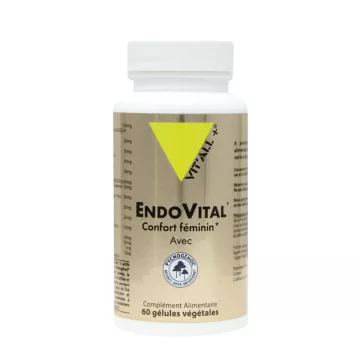
Certain nutrients and herbs have been shown to support female hormonal balance:
These approaches are intended to complement medical care, not replace it. Chasteberry is contraindicated during pregnancy and with certain hormonal treatments.
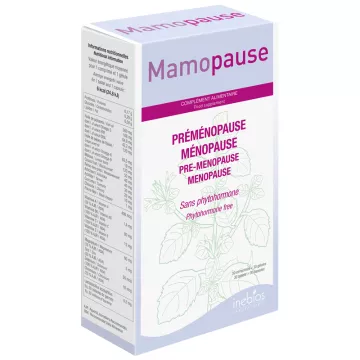
Menopause marks the permanent cessation of ovulation and menstruation, confirmed after 12 months without a period. The perimenopause that precedes it, often occurring between the ages of 45 and 51, is characterized by increasing cycle variability: alternating long and short cycles, irregular flow, and menopausal symptoms (hot flashes, insomnia, vaginal dryness). Understanding these transitions allows women to anticipate the nutritional and therapeutic adjustments needed to maintain quality of life and long-term bone health.