Ovulation refers to the biological process during which a mature egg is released from one of the ovaries in response to a surge in luteinizing hormone (LH). This event marks the midpoint of the female reproductive cycle and defines the window of peak fertility. Ovulation typically occurs around the middle of the cycle—around the 14th day of a theoretical 28-day cycle—but this timing varies widely from one woman to another and even from one cycle to another. The released egg travels through the fallopian tube, where it can be fertilized by a sperm within a limited time window.
Several bodily signs indicate that ovulation is imminent or has occurred. Basal body temperature rises slightly (0.3 to 0.5 °C) after ovulation due to the effect of progesterone. Cervical mucus changes in consistency: clear, stringy, and elastic—similar to raw egg white—it then helps sperm travel upward. Some women experience mild pain or tension in the lower abdomen, known as mittelschmerz, as well as breast tenderness, increased libido, or light intermenstrual bleeding. Learning to recognize these signs helps you better understand your cycle.
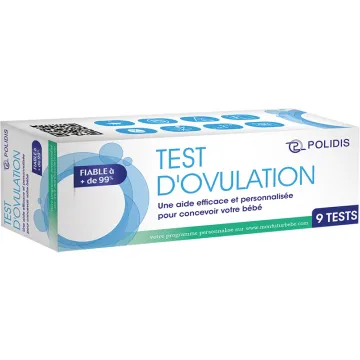
Several complementary methods help identify the fertile window. The ovulation calendar, based on the average length of previous cycles, provides a rough estimate—generally between Day 11 and Day 16 of a 28-day cycle. Tracking your basal body temperature every morning before getting out of bed highlights the post-ovulatory temperature shift. Daily observation of cervical mucus helps pinpoint the fertile phase. Finally, ovulation tests available at pharmacies detect the luteinizing hormone (LH) surge 24 to 36 hours before ovulation, offering a level of accuracy that is particularly useful for those trying to conceive or those with irregular cycles.
Yes,ovulation often varies from one cycle to the next, particularly in women with irregular cycles or who are going through hormonal transitions (post-birth control pill, postpartum, perimenopause). Chronic stress, emotional upheaval, acute illness, travel with jet lag, rapid weight change, or intense physical activity can temporarily delay or suppress ovulation. Understanding this variability helps you interpret your body’s signals without undue worry—a one-time delay is rarely a cause for concern, but persistent irregularities warrant medical advice.
Hormonal balance changes dramatically at the time of ovulation. The follicular phase is characterized by a gradual rise inestradiol, which stimulates follicle maturation and the thickening of the endometrium. The peak in estrogen triggers a massive release of LH, which causes the follicle to rupture and thus results in ovulation. The subsequent luteal phase is marked by the secretion of progesterone by the corpus luteum, a hormone that prepares the uterus for potential implantation. In the absence of fertilization, the drop in progesterone and estrogen levels triggers menstruation.
Several approaches exist for treating anovulation. Medically, hormonal treatments (clomiphene citrate, letrozole, gonadotropins) are prescribed by a gynecologist or fertility specialist, often as part of an assisted reproductive technology (ART) treatment plan. In terms of lifestyle and diet, a balanced diet, maintaining a stable BMI (between 19 and 25), managing stress through yoga, meditation, or sophrology, and getting quality sleep all promote regular ovulation. The preconception phase is the ideal time to implement these strategies.
Ovulation directly determines conception. The fertile window spans approximately six days per cycle: the five days preceding ovulation (the lifespan of sperm in the female reproductive tract) and the 24 hours following it. Having intercourse every two to three days during this period maximizes the chances of pregnancy. A thorough understanding of the cycle and accurate detection of ovulation are key strategies for couples trying to conceive, without falling into the “ovulation race” that creates counterproductive stress.
Yes, this phenomenon is known as an anovulatory cycle. Period-like bleeding can occur without ovulation—this is estrogen-deprivation bleeding caused by a drop in hormone levels, not true post-ovulatory menstruation. These cycles occur more frequently during adolescence, in perimenopause, after stopping hormonal birth control, or in cases of underlying conditions such as polycystic ovary syndrome (PCOS), hyperprolactinemia, or thyroid disorders. Repeated anovulatory cycles should prompt a medical consultation.
After it is released,the egg survives for about 12 to 24 hours in the fallopian tube. During this short window, it must be fertilized by a sperm for pregnancy to begin. After this time, the egg breaks down and is naturally shed during the next menstrual period if fertilization has not occurred. This short lifespan contrasts with the longevity of sperm (up to 5 days in fertile cervical mucus), which explains why conception can result from intercourse that occurred before ovulation. The timing is therefore more flexible than is commonly believed.
No, male fertility does not follow a cycle. Spermatogenesis—the continuous production of sperm in the testicles—takes place over approximately 72 to 75 days and remains active continuously from puberty onward. Men are therefore potentially fertile every day, unlike women, whose fertility is cyclical. However, sperm quality (concentration, motility, morphology, DNA fragmentation) varies depending on age, lifestyle, smoking, stress, testicular temperature, and exposure to endocrine disruptors. A balanced libido and good overall health support this fertility over the long term.
This phenomenon, which is rare but has been documented, is known as double ovulation. Two eggs can be released during the same cycle, usually within a short 24-hour period, making “superfetation” (conceptions several days apart) theoretically possible but extremely rare in humans. Double ovulation is the basis for dizygotic twin pregnancies (“fraternal twins”). Certain ovarian stimulation treatments significantly increase this likelihood, which justifies rigorous medical monitoring during assisted reproductive technology (ART) treatments.
Age has a major and progressive influence on female fertility. The ovarian reserve—the supply of eggs established during fetal life—gradually decreases starting at puberty, with a marked acceleration after age 35 and then 38. Egg quality also declines, increasing the risk of chromosomal abnormalities (particularly trisomy 21) and early miscarriages. Ovulation becomes more irregular during perimenopause, with cycles that first shorten and then lengthen before ovulation ceases permanently. An ovarian reserve assessment (AMH, antral follicle count) may be recommended after age 35 for women who wish to have children.
Several conditions can disrupt ovulation. Polycystic ovary syndrome (PCOS) remains the most common cause of anovulation in women of childbearing age, often associated with irregular cycles, excessive hair growth, and insulin resistance. Premature ovarian insufficiency (before age 40) leads to a decrease in ovulation and eventually its cessation. Hyperprolactinemia, thyroid disorders, hypothalamic amenorrhea related to stress or weight loss, and certain uterine conditions round out this overview. Very irregular cycles, severe premenstrual syndrome, or a prolonged absence of periods warrant a medical evaluation for early diagnosis and treatment.