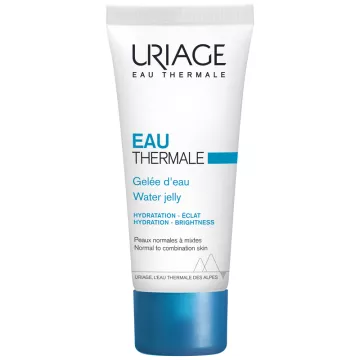
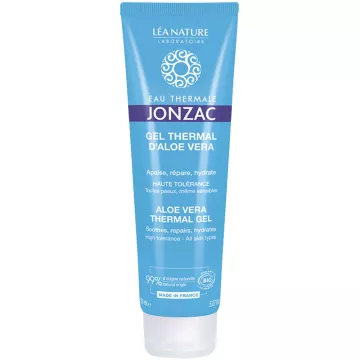
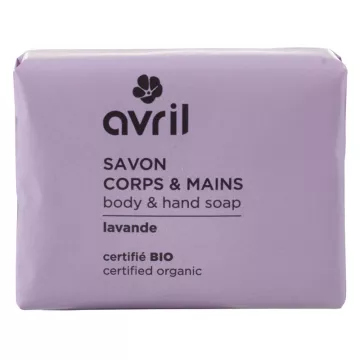
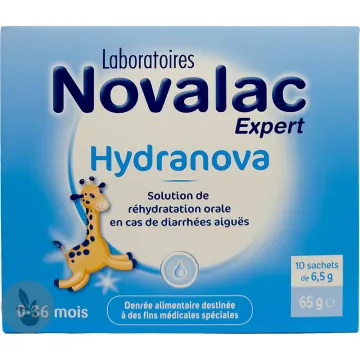
Skin dehydration manifests in several ways that affect both the appearance and comfort of the skin.
The most common signs include a tight feeling after cleansing, a dull complexion, more pronounced fine lines, and increased sensitivity to environmental stressors.
Recognizing these signs as soon as they appear is crucial for adjusting your skincare routine and preventing skin dryness from worsening.
Note that dehydrated skin isn’t necessarily the same as dry skin: all skin types, even oily skin, can lack moisture.
Hydration is essential for maintaining the integrity of the skin barrier, the first line of defense against external aggressors.
Properly hydrated skin is better able to withstand pollutants, weather changes, and everyday irritants.
It also appears more supple, radiant, and plump, with a visible reduction in wrinkles and fine lines caused by dehydration.
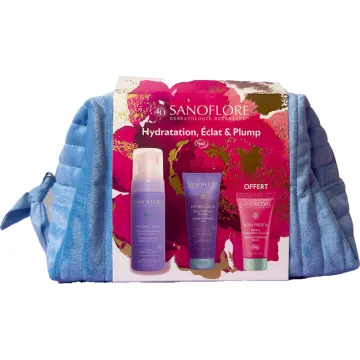
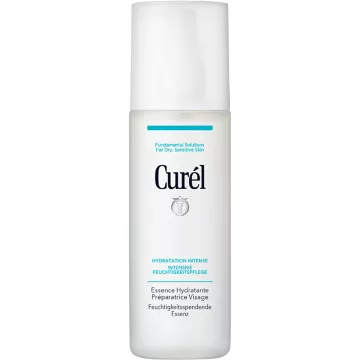
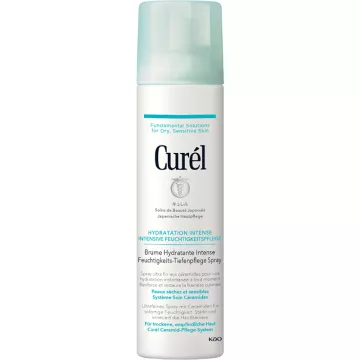
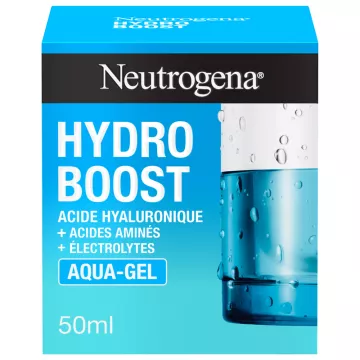
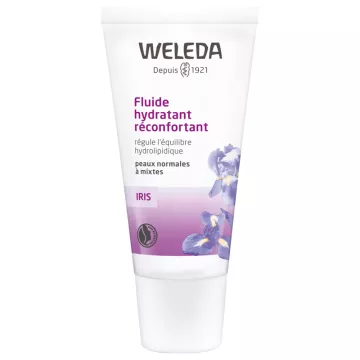
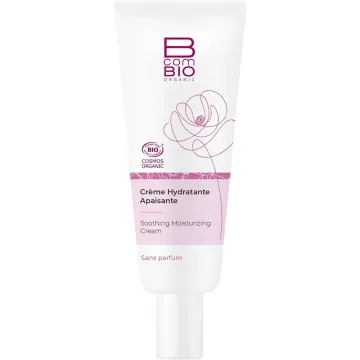
For a tailored routine, explore our facial hydration section, approved by our pharmaceutical team.
For effective hydration, use products suited to your skin type and its specific needs.
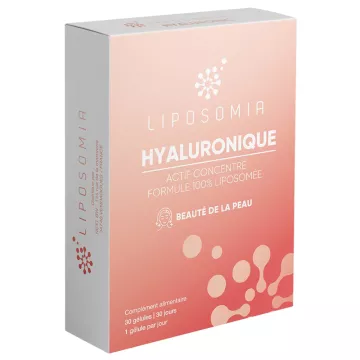
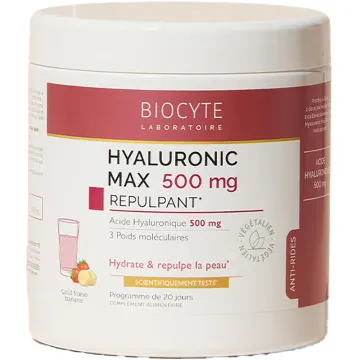
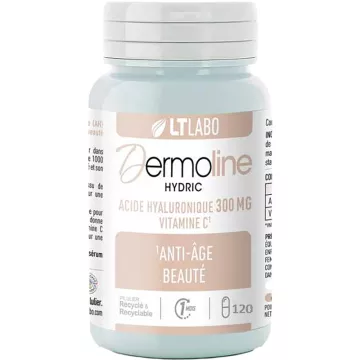
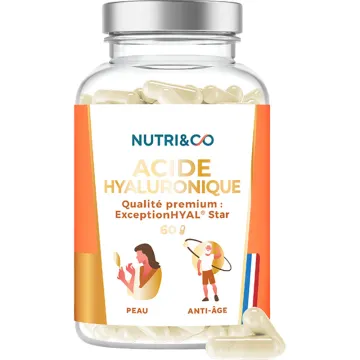
Ingredients such ashyaluronic acid, glycerin, and ceramides are among the most effective at attracting and retaining moisture over the long term.
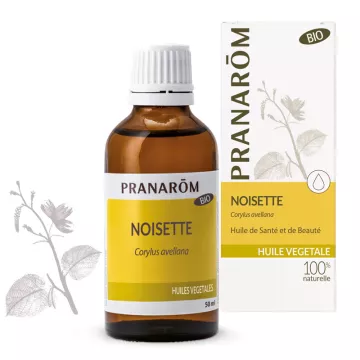
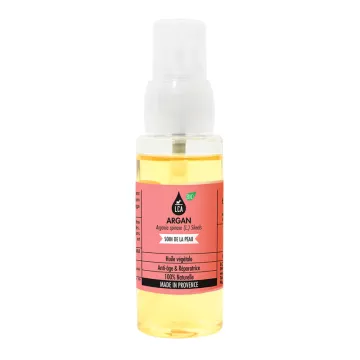
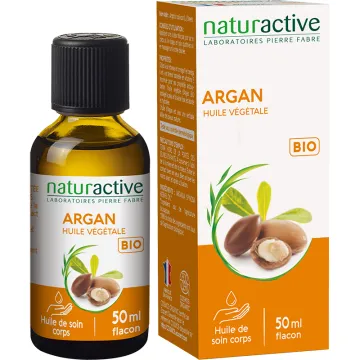
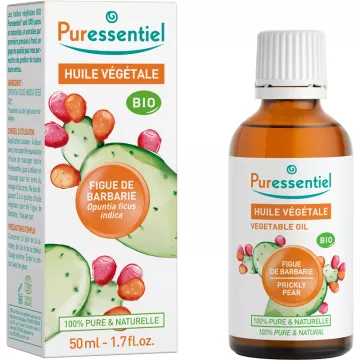
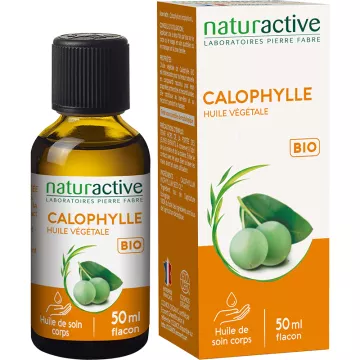
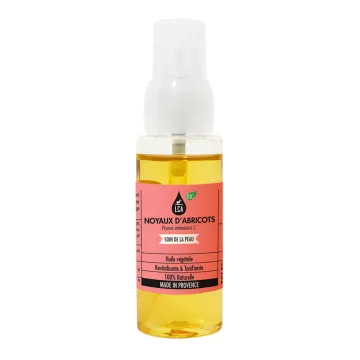
Also incorporate nourishing plant-based oils like jojoba or sweet almond oil, which strengthen the skin’s lipid barrier and limit water loss.
Apply your skincare products morning and night to clean, slightly damp skin to maximize absorption and effectiveness.
The choice of a moisturizer depends directly on your skin type and the season.
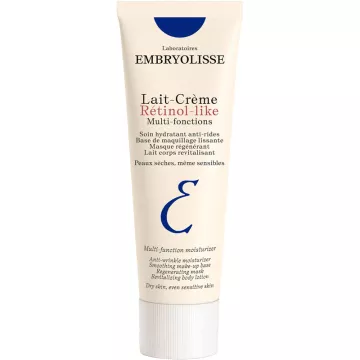
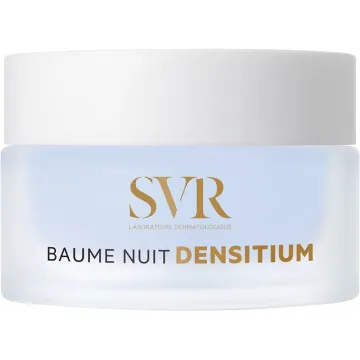
Rich creams are particularly suitable for dry and mature skin, which needs a boost of emollients and lipids.
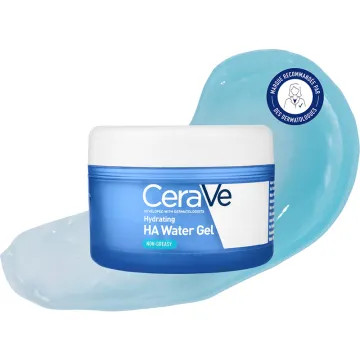
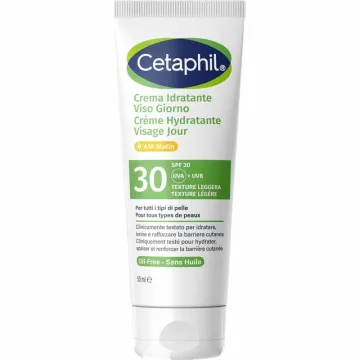
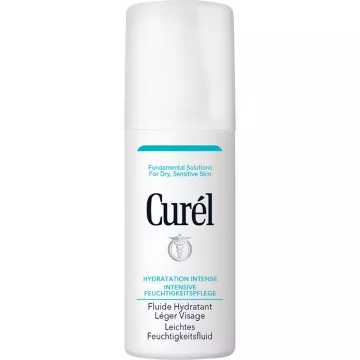
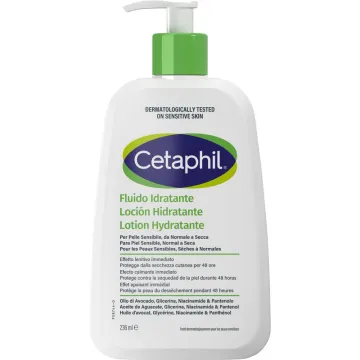
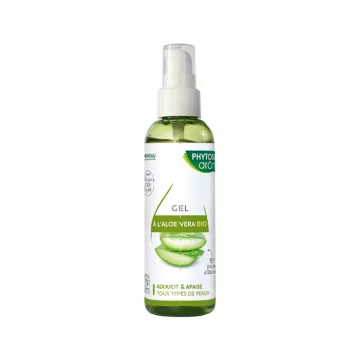
Lightweight lotions and gels are better suited for oily or combination skin, as they hydrate without clogging pores.
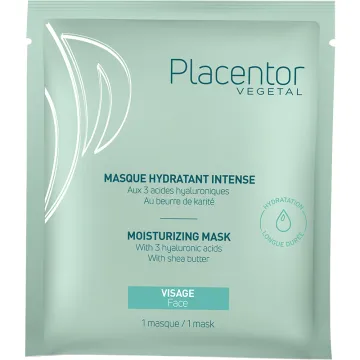
For occasional intense hydration, hydrating masks can be incorporated into your routine two to three times a week.
Diet plays an essential role in maintaining skin hydration, complementing topical skincare.
Foods rich in omega-3 fatty acids—such as fatty fish, nuts, and chia or flaxseeds—nourish the skin from within and support the lipid barrier; check out our selection ofomega-3s.
Water-rich fruits and vegetables—cucumber, watermelon, zucchini, and oranges—provide hydration and protective antioxidants.
Finally, drinking water regularly (about 1.5 L per day, depending on individual needs) remains the foundation of effective internal hydration.
Climate directly influences skin hydration levels and the skin’s appearance throughout the seasons.
In cold or dry climates, the ambient air gradually dehydrates the skin and promotes visible flaking, particularly on the face and hands.
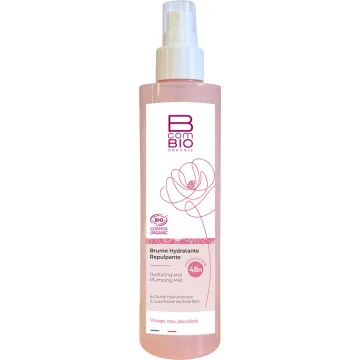
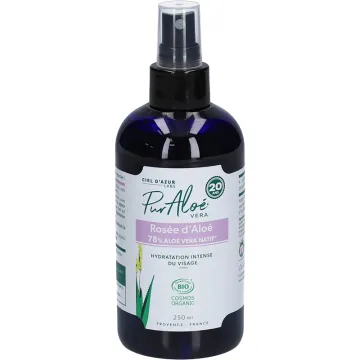
Adjust your routine by choosing richer skincare products in the winter, and supplement with hydrating mists or thermal water throughout the day to maintain optimal moisture levels.
Indoor heating and air conditioning also exacerbate water loss; a humidifier can significantly improve skin comfort.
Hydrating and nourishing the skin are two complementary steps with distinct goals.
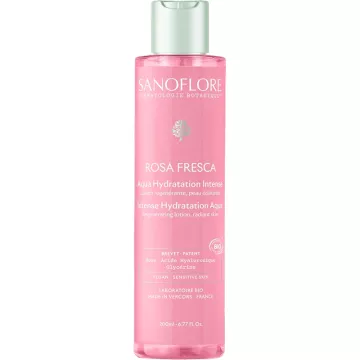
Hydrating involves increasing the skin’s water content to make it more supple, smoother, and plumper; this is achieved through serums and lotions containing humectants such as hyaluronic acid.
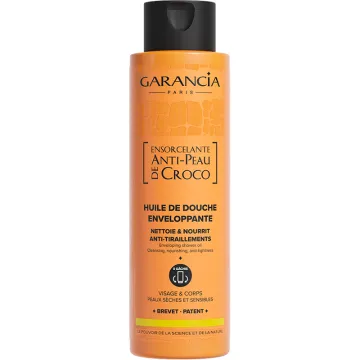
Nourishing involves providing lipids and fatty substances that strengthen the skin barrier and limit water evaporation; nourishing products generally contain plant oils and butters such as shea butter.
Healthy skin needs both of these approaches, in proportions adjusted according to skin type and the season.
Yes, it is possible to over-moisturize your skin, especially with products that are too rich or by layering too many products.
Over-moisturizing can clog pores in combination or oily skin, promote the appearance of breakouts, and disrupt the hydrolipidic film.
Adapt your routine to your skin type and the season, without piling on redundant products or applying too many occlusive layers.
Over time, skin that’s accustomed to receiving too much care may see its natural ability to self-regulate diminish.
As we age, the skin gradually loses its ability to retain moisture, primarily due to a decline in collagen and elastin production.
Changes in the skin’s lipid composition and a slowdown in cell turnover amplify this trend, especially after age 50.
Mature skin benefits greatly from skincare products enriched with hyaluronic acid, ceramides, and targeted anti-aging ingredients; explore our selection dedicated to mature skin.
Consistent hydration, combined with daily sun protection, visibly slows the effects of skin aging.
Several simple daily habits can help maintain long-lasting skin hydration:
These habits, combined with a balanced diet and regular sun protection, help preserve the skin’s hydration and radiance over the long term.