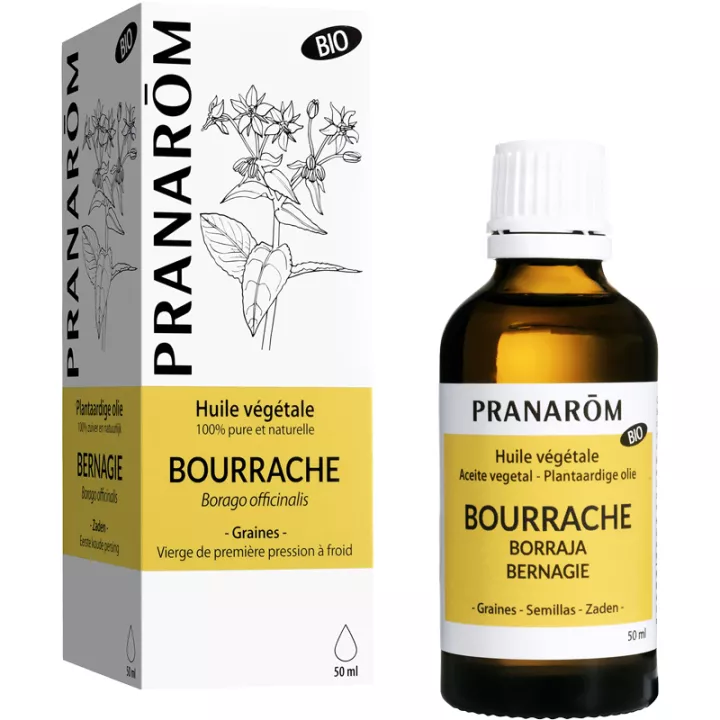
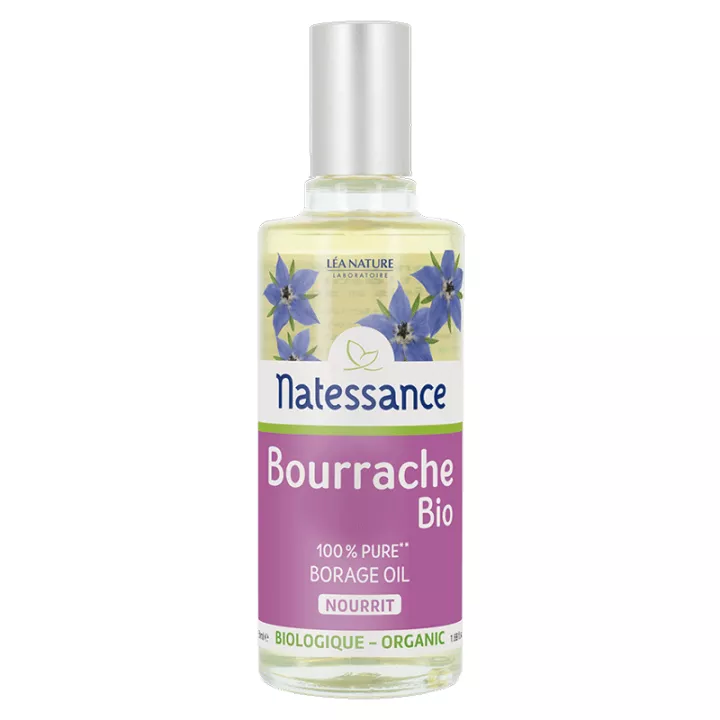
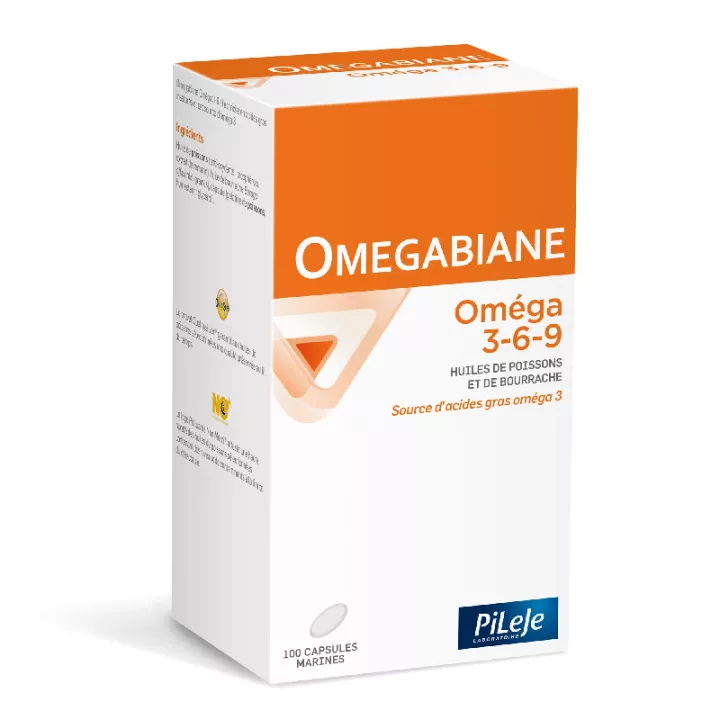
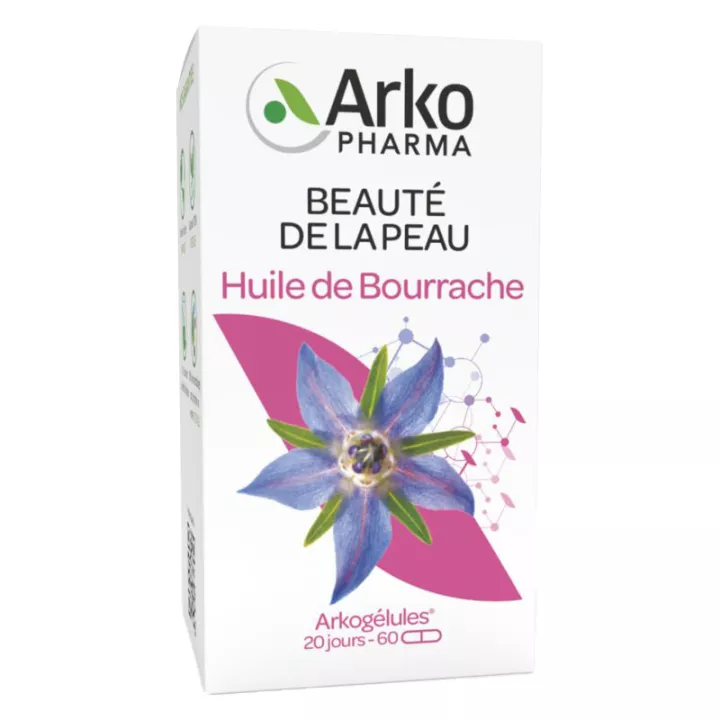
What is Pranarom Organic Borage Vegetable Oil used for?
When can you use borage vegetable oil?
- Mature skin
- Eczema
- Psoriasis
- Premenstrual syndrome
- Cholesterol
- Rheumatism
An ideal oil for mature women and troubled skin. Its slightly higher-than-average price is due to the plant’s low yield, but it’s well worth it for its unparalleled dermo-cosmetic effects. Also used as a dietary supplement (formenopause, menstruation, arthritis, etc.), it will delight even the most discerning users. Borage is an overlooked plant in our gardens, yet its precious seeds hold a treasure trove of benefits for health and beauty. Non-greasy, it’s ideal for discovering the softening and soothing effects of plant oils, whether you’re a beginner or a fan of advanced dermo-cosmetics.
Borage vegetable oil is particularly well-suited to the needs of mature skin. Rich in essential fatty acids, notably gamma-linolenic acid (GLA), it helps regenerate the skin, reduce wrinkles and fine lines, and improve skin elasticity. Its nourishing and moisturizing properties make it a valuable ally in combating the signs of skin aging and maintaining a radiant, revitalized complexion.
Thanks to its anti-inflammatory and soothing properties, borage seed oil is also beneficial for people suffering fromeczema, psoriasis, and other inflammatory skin conditions. When applied topically, it helps soothe itching, reduce redness, and promote the healing of skin lesions. Regular use can help relieve the symptoms of these skin conditions and improve skin comfort.
Some women suffer from premenstrual syndrome (PMS), characterized by various symptoms such as abdominal pain, breast tenderness, and mood swings. Borage seed oil may help relieve these symptoms thanks to its hormone-regulating and anti-inflammatory properties. When used in conjunction with a balanced diet and a healthy lifestyle, it can help alleviate the discomforts associated with the menstrual cycle.
As a dietary supplement, borage oil may also help regulate cholesterol levels and relieve joint pain associated with rheumatism. Its essential fatty acid content helps maintain lipid balance in the blood, while its anti-inflammatory properties can help reduce inflammation and joint pain. It can be taken in capsule form or added to your diet to enjoy its health benefits.
We also offerCalophyllum vegetable oil from Pranarom, a laboratory specializing in aromatherapy, at the best price in our online pharmacy.
How should this vegetable oil be used?
Oral use: 10 g (1 tablespoon) per day.
Cosmetic use: Suitable for aromatic skin massage; ideal as a carrier oil for essential oils.
Borage Oil (Borago officinalis L.): Borage is a Mediterranean plant; when it was first discovered in the Middle Ages, it was not used for cosmetic purposes. It is now used for its various skin-related properties, notably restoring suppleness and elasticity.
Precautions for Use
- - Do not exceed the recommended dose
- - Keep out of reach of young children
- - Not a substitute for a varied and balanced diet and a healthy lifestyle
- - Store away from heat and light
All of our organic vegetable oils are AB-certified (Organic Agriculture and Certisys BE-BIO-01), 100% pure, natural, and unrefined.
FAQ – Your Questions About Pranarôm Organic Borage Oil
Is this oil suitable for sensitive skin?
Yes, it is ideal for sensitive, dry, and mature skin, thanks to its soothing and regenerating properties.
Can it be used as part of a daily hair care routine?
Yes, as a pre-shampoo oil treatment or by adding a few drops to a hair serum.
Does this oil help prevent stretch marks?
Yes, its regenerating and softening properties make it an excellent preventive treatment for stretch marks.
Can it be applied around the eyes?
Yes, when used in very small amounts, it helps moisturize and smooth this delicate area.
Can borage oil be used as a dietary supplement?
Yes, it’s often taken in capsule form for its benefits for the skin and joints, but always under medical supervision
What is the composition of this vegetable oil?
100% organic vegetable oil from: Borage
Composition at a glance: Just over half is omega-6 polyunsaturated fatty acids, including 20% gamma-linolenic acid (known for its endocrine-regulating and skin-repairing properties). One-fifth monounsaturated fatty acids (omega-9). Another one-fifth saturated fatty acids. Antioxidant phytosterols and vitamin E.