Omega-9 fatty acids are monounsaturated fatty acids, the primary example of which is oleic acid. Unlike omega-3 and omega-6 fatty acids, they are not essential—the body can synthesize them—but consuming them through diet or using them in skincare products provides documented benefits for cardiovascular health, skin health, and joint comfort.
What are omega-9 fatty acids?
Oleic acid (C18:1) is the primary omega-9 fatty acid. It accounts for 70–80% of extra virgin olive oil and is found in many cosmetic vegetable oils (avocado, macadamia, hazelnut, sweet almond). It belongs to the family of monounsaturated fatty acids, which are less susceptible to oxidation than polyunsaturated fatty acids—which is why oils rich in omega-9 are more heat-stable and have a longer shelf life. Discover the polyphenols from the olive tree that work alongside these fatty acids to provide their protective benefits.
What are the health benefits of omega-9?
Omega-9 contributes to several aspects of well-being, particularly in a Mediterranean context.
- Cardiovascular health:Olive polyphenols (hydroxytyrosol) help protect blood lipids against oxidative stress—EFSA-approved claim, 5 mg/day of hydroxytyrosol
- Antioxidant cellular protection: when combined with vitamin E and carotenoids, they help reduce oxidative stress
- Joint health: Their lipid profile helps maintain the balance of joint cell membranes
- Lipid metabolism: They promote a balanced dietary lipid profile as part of a Mediterranean-style diet
Omega-9 and the skin: what are its cosmetic properties?
Oleic acid is a key cosmetic ingredient in plant-based skincare oils due to its emollient and nourishing properties.
- It is particularly well-suited for dry and mature skin: it replenishes the skin’s lipid barrier and reduces transepidermal water loss
- Its small molecular size allows it to penetrate the superficial layers of the epidermis
- Macadamia, hazelnut, and sweet almond oils: rich in omega-9, they are the best dry, non-comedogenic oils
- Combine withevening primrose oil (rich in AGL/omega-6) for comprehensive care of dry and sensitive skin
Where can you find omega-9 in your diet?
Omega-9s are abundant in foods typical of the Mediterranean diet.
- Extra virgin olive oil: 70–80% oleic acid + polyphenols and vitamin E
- Avocado: oleic acid + vitamin E + lutein
- Nuts: almonds, macadamia nuts, hazelnuts, pistachios
- Various vegetable oils: avocado, hazelnut, macadamia—used in light cooking or cosmetics
Omega-3, 6, and 9: What Are the Differences?
The three families of unsaturated fatty acids are complementary and play distinct roles.
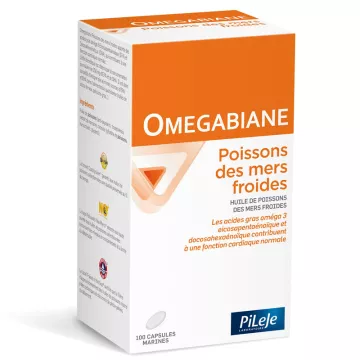
- Omega-3 (EPA, DHA): essential, antioxidant, support heart and brain function—often insufficient in the Western diet
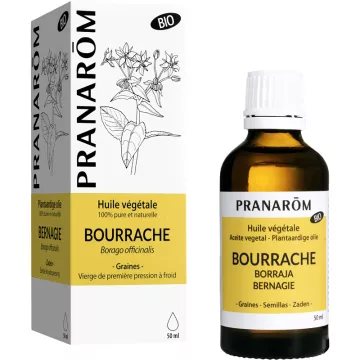
- Omega-6 (LFA): essential, pro-inflammatory in excess, important for the skin through evening primrose and borage
- Omega-9: non-essential, abundant, particularly beneficial for antioxidant protection and skin care
- The priority for supplementation is always omega-3s (EPA/DHA)—see our selection of omega-3s
Omega-9 supplements: when and how?
Oral omega-9 supplementation is rarely necessary. However, cosmetic vegetable oils rich in omega-9 have numerous applications.
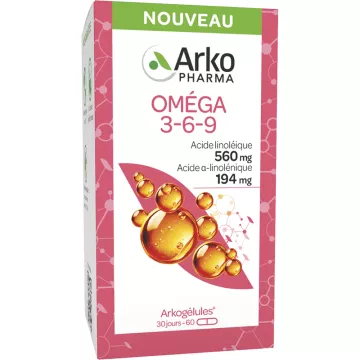
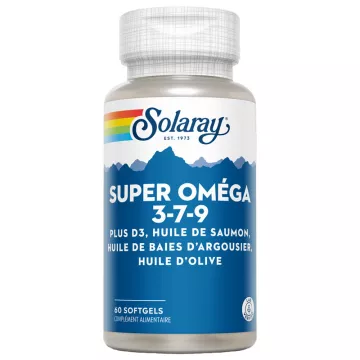
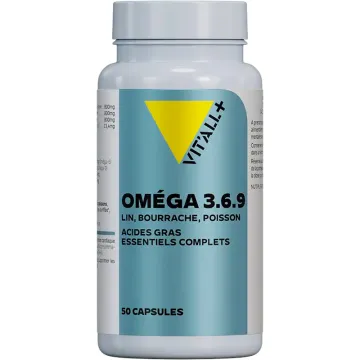
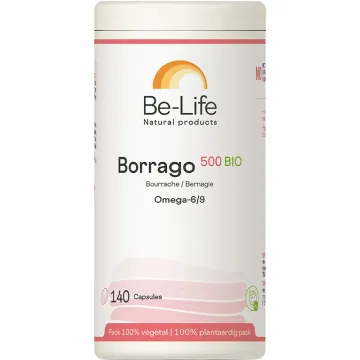
- Oral omega-9 supplements: useful in combined 3-6-9 formulas to round out an overall lipid profile
- Cosmetic use: macadamia, hazelnut, and sweet almond vegetable oils—for dry, mature, or eczema-prone skin
- Olive oil: daily culinary use as a seasoning (suitable for gentle cooking up to 180 °C)
- Combine with antioxidants (vitamin E, resveratrol) to enhance lipid protection