What is superfat in soap, and why is it important?
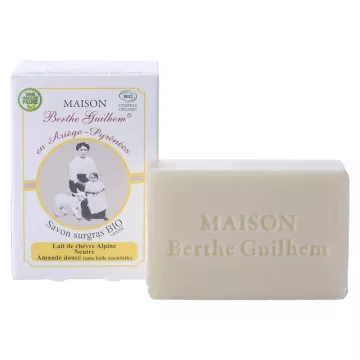
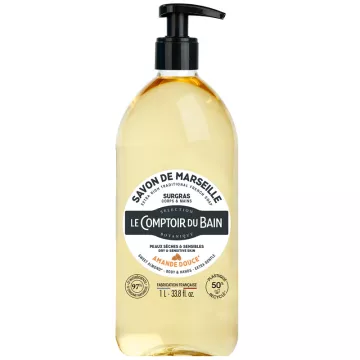
" Surgras " in a bar of soap refers to the portion of vegetable oils or butters that has not been saponified—that is, that remains in the bar in the form of active lipids after production. It is this excess of fats that distinguishes superfatted soap from ordinary soap, and makes it particularly suitable for dry and sensitive skin.
- Conventional soap: superfat content 0–3%—cleans effectively but can dry out sensitive skin
- Artisanal superfatted soap: 5–10% — the unsaponified oils remain active on the skin and partially compensate for the lipid loss caused by cleansing
- Above 10–12%: risk of rancidity in the unsaponified fraction — less suitable for long-term storage
- Caution: Even superfatted soap retains an alkaline pH (8–10)—the superfatting mitigates but does not correct the pH; for highly reactive skin, a solid syndet with a pH of 5.5 remains preferable
Which superfatting oils make the difference?
Not all superfatting agents are created equal—their fatty acid profile determines their effectiveness on the skin. The best superfatted soap formulations combine several complementary fatty substances.
- Unsaponified shea butter: rich in unsaponifiables (avocatin, phytosterols)—active ingredients that effectively support the skin barrier—the most valuable superfatting agent for very dry skin
- Sweet almond oil: oleic and linoleic acids—a light emollient, very well tolerated by sensitive skin and children
- Avocado oil: omega-3, abundant unsaponifiables—an excellent superfatting agent for mature and very dry skin
- Natural glycerin: present in cold-process soaps (not removed, unlike in industrial soaps) — a humectant that retains water in the stratum corneum
- Lanolin: a lipid similar to human skin lipids—very effective on very dry skin but potentially allergenic—skin patch test recommended
Superfatted soap, solid syndet, and cleansing cream: which one should you choose for your skin?
These three formats are designed for skin that requires gentler care—but they are not interchangeable depending on the degree of skin sensitivity. Practical advice ondaily personal hygiene also helps guide you toward the format best suited to your routine.
- Superfatted soap: dry to normal skin that tolerates an alkaline pH—effective cleansing + lipid replenishment—for adults and children over 3 years old
- Solid syndet: Sensitive or mild to moderate atopic skin—physiological pH of 5.5—see our solid soap page for a complete comparison
- Dermatological cleansing cream: severe atopic skin, infants, skin undergoing treatment—the richest formula, often no-rinse—ultra-moisturizing soap is no longer sufficient in these cases
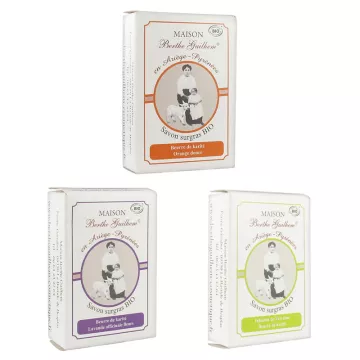
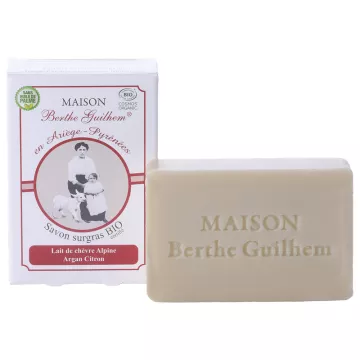
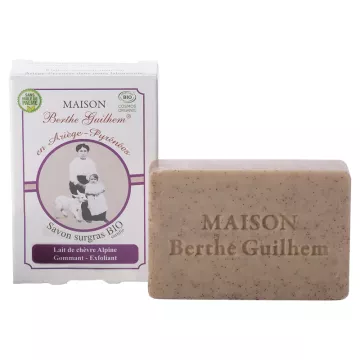
- Surgras soap also serves as a base for incorporating targeted active ingredients—combined withclay for combination/oily skin, and with goat’s milk for gentleness and gentle exfoliation
How can you recognize a true superfatted soap and store it properly?
On the INCI list of a plant-based superfatted soap, two ingredients confirm the presence of a genuine active superfatted formula—saponified oil AND free, unsaponified oil.
- INCI: “sodium olivate” or “sodium cocoate” (saponified oil) + “butyrospermum parkii butter” or “prunus amygdalus dulcis oil” (un-saponified oil)—both must be listed
- The phrase “cold-processed” or “cold process”: an artisanal method that preserves the unsaponifiable components of the oils—a real added value for the quality of the superfatted soap
- Declared superfat content: between 5 and 8% is the optimal balance between quality and shelf life — reputable brands specify this
- For organic certification of superfatted soap: see our organic soap page — Cosmos Organic guarantees that the superfatting oils are also organic
- Storage: A draining soap dish is essential—surgras soaps, rich in unsaponifiables, are more hygroscopic and melt faster in standing water than industrial soaps