What is organic soap, and what does the certification actually guarantee?
A certified organic soap isn’t simply a “natural” or “chemical-free” soap—it’s a soap whose formula has been audited by an independent organization according to specific, publicly available criteria. Without a certification logo, the term “organic” on a bar of soap has no legal standing in France.
- Cosmos Organic (Ecocert, BDIH, ICEA, Cosmebio…): international standard—requires ≥ 95% ingredients of natural origin, ≥ 20% organic ingredients of the total—prohibits petrochemical ingredients, silicones, synthetic dyes, and synthetic fragrances
- Nature et Progrès: a stricter French standard—also prohibits GMOs and nano-ingredients, and mandates social and local sourcing requirements
- Cosmebio: a brand association, based on the Cosmos Organic standard—the “Bio” label requires ≥ 10% organic ingredients of the total formula, “Eco” requires ≥ 5%
- On the label: the logo is sufficient—"certified by [organization]" without a logo is less reliable—check that the logo is legible and listed on the organization’s website
- “Artisanal organic” soap without certification: may be of genuine quality, but without third-party assurance—transparency regarding INCI ingredients remains the only verifiable indicator
Certified organic soap vs. natural plant-based soap: what’s the difference in practice?
Both can be of good quality—but the level of assurance is very different.
- Non-certified plant-based soap: may contain plant oils, natural fragrances, and butters—but there is no guarantee that pesticides were not used in cultivation, nor that the ingredients are traceable
- Certified organic soap: supply chain audit, traceability of organic crops, contamination testing—a genuine guarantee of raw material quality
- The “cold-process” method remains a unique artisanal value-add independent of organic certification—a soap can be certified organic yet industrially hot-processed (resulting in lower quality in terms of preserved active ingredients)
- Ideal: Cosmos Organic certified + “cold process” label—the combination of both guarantees
What types of organic soaps are available, and which one should you choose based on your skin type?
Organic certification applies to different formulations—the label doesn’t tell the whole story about how the product should be used.
- Organic superfatted soap: certified + 5–10% superfatting rate — for dry and sensitive skin types seeking hydration and organic assurance
- Exfoliating organic soap: certified natural particles (oats, non-plastic walnut shells) — for normal to combination skin seeking a deeper cleanse
- Organic clay soap: mineral active ingredient (green clay or kaolin) + certified formula—for oily and acne-prone skin
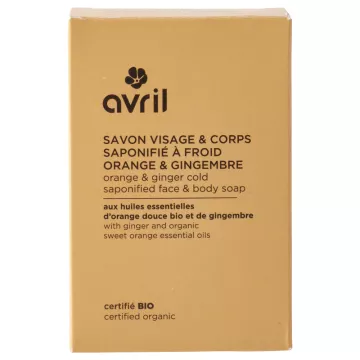
- Organic soap with essential oils: certified organic essential oils in the formula — aromatherapeutic and targeted properties depending on the plant — patch test recommended for those with allergies
- Organic Baby Soap: Cosmos Organiccertified + free of essential oils and fragrances, mild pH — the safest choice for infants
How to store and use organic soap to get the most out of it?
- Wet your hands before lathering — do not rub the bar directly on dry skin
- Rinse thoroughly with lukewarm water—certified organic soaps often contain natural glycerin, which leaves a light protective film after rinsing
- A well-draining, ventilated soap dish — handmade cold-process organic soaps are richer in glycerin than industrial soaps and melt faster in standing water
- Best Before Date: 12–24 months depending on the manufacturer—essential oils and unsaponifiables oxidize over time
- See our personal care line