What is vegetable soap, and how does it differ from regular soap?
A vegetable soap is made exclusively from plant-based fats—oils and butters—saponified with an alkaline base (soda or potash). It excludes animal fats (tallow) and petroleum-derived mineral oils found in many conventional industrial soaps.
- Industrial soap: may contain tallow, mineral oils, synthetic detergents, and preservatives—uncontrolled alkaline pH
- Cold-process vegetable soap: vegetable oils + soda ash—glycerin naturally present in the soap (not removed, unlike in industrial soaps)— moisturizing properties preserved
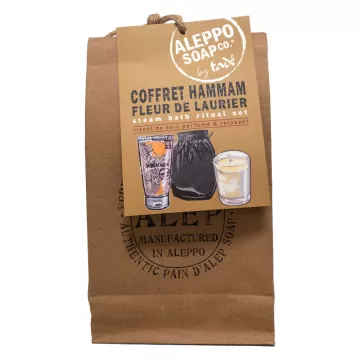
- Aleppo soap: a historic benchmark for plant-based soap — olive oil + laurel berry oil — the laurel content determines the strength and price
- Castile soap: 100% saponified olive oil—very gentle, suitable for sensitive skin and children
Which vegetable oils define a soap’s profile?
The choice of base oils is the most important decision in formulating a plant-based soap—each provides distinct properties for the skin and in the lather. The best soap formulations combine several complementary oils.
- Coconut oil: lauric and myristic acids—abundant lather and powerful cleansing—may dry out already dry skin if used in too high a proportion (>30%)
- Olive oil: predominantly oleic acid—gentle soap, creamy lather—the base for Castile and Aleppo soaps
- Shea butter: stearic acid + unsaponifiables—gentleness and natural moisturizing properties—highly effective for sensitive and dry skin
- Sustainable palm oil (RSPO): palmitic acid—hardens the bar and extends shelf life—environmentally controversial outside of RSPO certification
- Castor oil: ricinoleic acid — maintains lather and moisture — used in combination, never alone (max 5–10% of the formula)
Natural plant-based soap vs. certified organic soap: what’s the real difference?
The term “natural” is not regulated in cosmetics—unlike organic certification, which requires an audit by an independent body. To understand everything about these labels, our organic soap page details the actual guarantees provided by Cosmos Organic, Ecocert, and Nature et Progrès.
- “Natural soap” without certification: a marketing claim with no legal standing—no third-party oversight of ingredients or manufacturing methods
- Cosmos Organic-certified plant-based soap: traceable organic ingredients, no petrochemicals, responsibly sourced and verified packaging
- "Cold-processed" label: an artisanal process independent of organic certification—preserves natural glycerin and active unsaponifiables—real added value
- On the INCI list: “sodium olivate,” “sodium cocoate,” “sodium shea butterate” = saponified oils — confirms a genuine saponified plant-based soap
Saponified plant-based soap or solid syndet: how to choose?
For very sensitive, atopic, or dermatologically treated skin, the difference in pH between the two types is crucial. Our page on solid soap covers this key distinction in detail.
- Saponified plant-based soap: pH 8–10 — suitable for normal and resilient skin — slightly irritating with repeated use on highly reactive skin
- Solid syndet: physiological pH of 5.5—mild, non-saponified surfactants—the only option truly suitable for mild to moderate atopic skin
- Plant-based soap with clay: a mineral-based purifying active ingredient added to the saponified base — for combination and acne-prone skin
How should you use and store solid plant-based soap?
How you use and store it affects the quality of the results just as much as the choice of soap itself — a rule often overlooked in daily skincare routines.
- Lather in your hands with lukewarm water, then apply the lather—avoid rubbing the bar directly on sensitive areas or the face
- Rinse thoroughly—the natural glycerin leaves a light, velvety film that disappears when rinsed completely
- Pat dry; apply body lotion if your skin is dry—the soap’s alkaline pH may temporarily disrupt the skin’s acid mantle
- Use a draining, ventilated soap dish—cold-process plant-based soaps rich in natural glycerin dissolve twice as fast in standing water as industrial soaps
- Cut large bars into several pieces; store the remainder in an airtight container