What Is a Daily Personal Care Routine, and How Can You Organize It Effectively?
Personal hygiene encompasses all daily body care routines—showering, hair care, oral hygiene, and intimate hygiene. When well-organized, it takes 10–15 minutes in the morning and ensures skin comfort, helps prevent infections, and provides long-lasting freshness. For more information on choosing products, see our hygiene page, and for recommended frequencies, see our personal hygiene page.
Shower gel or bar soap: which one is best for your skin?
Both clean effectively—but their properties are very different, and the choice depends on your skin type.
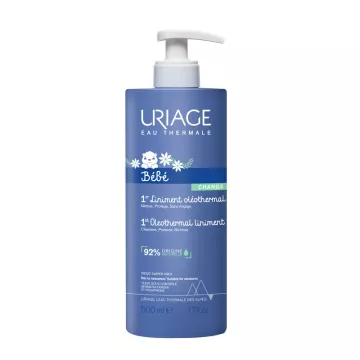
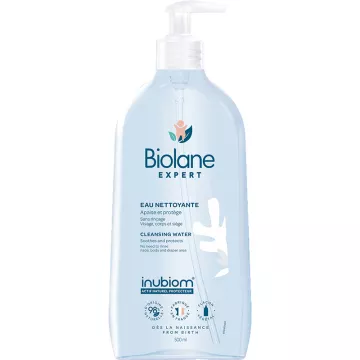
Shower gel generally has a higher water content (70–80% of the formula), is enriched with moisturizing or soothing active ingredients, and is available in highly specific formulations (for dry skin, atopic skin, and babies). Its pH is often better controlled than that of traditional soap. Downside: plastic packaging, heavy to transport, and higher cost per unit.
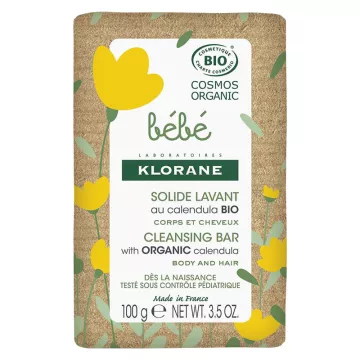
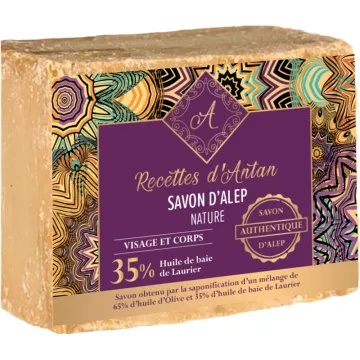
Solid soap —especially syndets (soap-free soaps) and modern ultra-moisturizing soaps—is more eco-friendly, more concentrated, and often better tolerated by sensitive skin thanks to the absence of liquid preservatives. Traditional bar soap has an alkaline pH (9–10), which may be too high for some skin types—check the label for “syndet” or “pH-balanced.”
- Dry and atopicskin: superfatted body wash or superfatted solid syndet—avoid classic solid soaps with a pH that’s too alkaline
- Normal to combination skin: both are suitable—high-quality solid soaps are more economical and eco-friendly
- Exercise and sweat: a purifying post-workout shower gel—formulas specifically designed for sports contain targeted active ingredients
How should you properly care for your intimate area every day?
Intimate hygiene deserves special attention—standard body care products are not suitable for this area.
- pH of the female intimate flora: between 3.8 and 4.5 (acidic)—a conventional soap (pH 7–9) disrupts this balance and promotes infections—use only a product specifically formulated for intimate hygiene (pH ≤ 5.5)
- Frequency: No more than once a day externally—never douche internally (this irreversibly disrupts the flora)
- Fragrance-free, dye-free, and free of harsh foaming agents: fragrances are the leading cause of intimate irritation
- Lukewarm water, rinse thoroughly, pat dry gently
- Wear cotton underwear: it provides better ventilation and reduces the risk of irritation and bacterial growth
What are the key steps in daily oral hygiene?
Oral hygiene is one of the pillars of overall health—often underestimated in its relationship to cardiovascular health and metabolism.
- Brushing: At least 2 minutes, twice a day (morning and evening)—use a soft-bristled toothbrush to protect enamel and gums
- Dental floss or interdental brushes: daily before evening brushing—removes plaque from spaces the toothbrush can’t reach
- Fluoride toothpaste: strengthens enamel and prevents cavities—the recommended amount is a pea-sized amount for adults
- Replace your toothbrush every 3 months—or after a sore throat or the flu—as flattened bristles no longer clean properly
- Mouthwash: Use only as a supplement, not as a substitute for brushing
What is the best hygiene routine for targeted cleaning between showers?
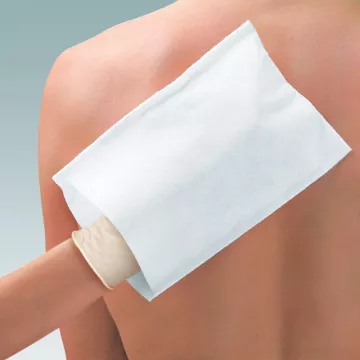
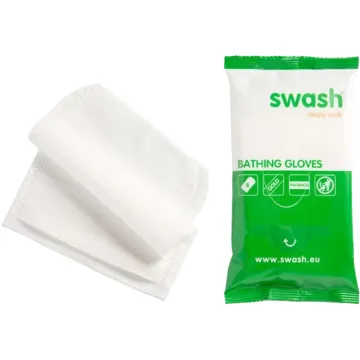
When a full shower isn’t possible—while traveling, after exercising at the office, or if you have sensitive skin—targeted cleansing is a valid alternative.
- Priority areas: underarms, groin folds, feet, hands, and face—areas prone to moisture buildup and odor
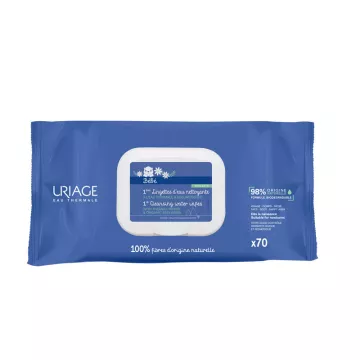
- Biodegradable, alcohol-free, and fragrance-free wipes: for sensitive areas
- Soap and water: apply to a cotton pad for the face and hands
- Deodorant: reapply midday if needed—dry formulas (stick, powder) are more convenient for touch-ups