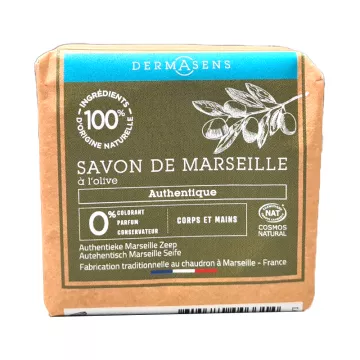
What is solid soap?
The term “solid soap” actually refers to two very different categories—confusing them leads to unrealistic expectations and poor results for the skin. “Real” soap is the product of saponification (a reaction between oil and lye) with a naturally alkaline pH (8–10). A solid syndet (short for “synthetic detergent”) is formulated from mild surfactants without saponification, with a pH carefully controlled to 5.5—the same as the skin’s.
- Solid saponified soap: “sodium olivate,” “sodium cocoate” on the INCI list—pH 8–10—cleans very well, but may disrupt the skin barrier of sensitive skin with daily use
- Solid syndet: “sodium cocoyl isethionate,” “sodium lauryl glucoside carboxylate” on the INCI list—pH 5.5—just as effective, gentler, does not disrupt the skin microbiome
- Dry, atopic, or dermatologically treated skin benefits more from a syndet than from a saponified soap, even a superfatted one
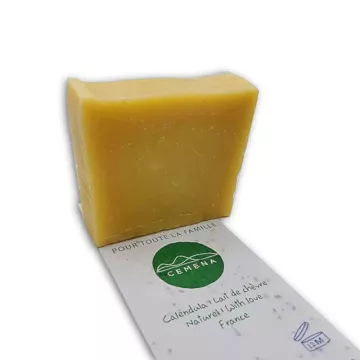
- Normal, resilient skin tolerates cold-processed vegetable soap perfectly—the key is knowing your skin type
What types of bar soaps are available, and which one suits which need?
The market for bar soap in drugstores is now very diverse—and each formulation is designed for a specific skin type.
- Superfatted soap: saponified with an excess of unsaponified fatty substances—for dry skin types who prefer a traditional soap—5 to 10% superfatting, alkaline pH tempered by residual lipids
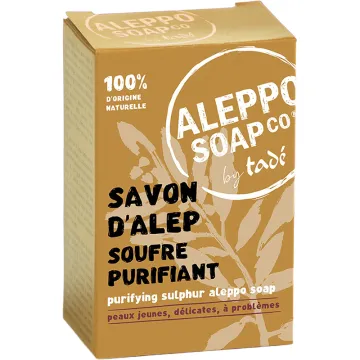
- Clay soap: saponified base + clay (green, kaolin, ghassoul)—for acne-prone skin and oily scalps
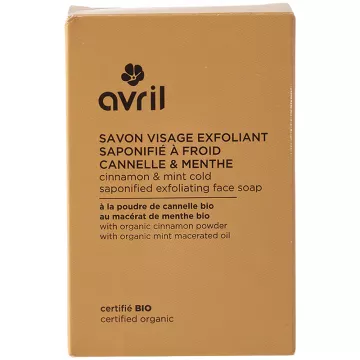
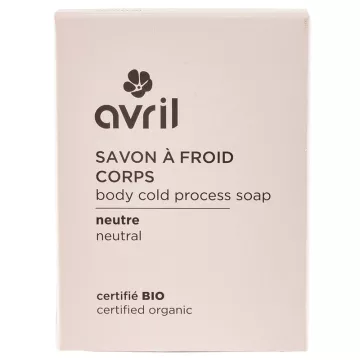
- Certified organic soap: Cosmos Organic or NP—guarantees the traceability of oils and the absence of petrochemicals
- Solid, no-rinse syndet: dermatological lines for atopic skin (colloidal oats, ceramides) — for very sensitive skin that cannot tolerate traditional soap or even a mild cleansing gel
- Solid shampoo: syndet or solid soap formulated for hair—see our hair care products
Solid soap and sustainability: the real differences compared to liquid soap
Solid soap is often touted as the ultimate eco-friendly solution—and the numbers back this up, though with some important caveats.
A typical liquid soap contains 70–80% water. A solid soap contains only 10–20% water after drying—which means less weight to transport, less energy used in manufacturing, and drastically reduced packaging. For the same amount of cleansing agents, a bar of solid soap replaces 2 to 3 bottles of liquid soap. And compared to a shower gel, an 80-gram solid syndet often lasts as long as a 250-mL bottle.
- No plastic packaging: bare solid soap (without outer packaging) is the most eco-friendly cosmetic formulation available
- Concentrated solid soap vs. concentrated liquid soap: both are good, but the solid form also eliminates the issue of the container (plastic pump bottle)
- To learn more about certifications for organic solid soaps: see our organic soap page
How to properly store bar soap to double its shelf life?
Storage is the Achilles’ heel of bar soap—if not handled properly, it melts twice as fast. The average lifespan of a 100-gram bar is 4 to 6 weeks with daily use and proper storage.
- A well-draining soap dish is essential: magnetic or slotted models allow the soap to dry completely between uses—its lifespan is doubled compared to soap that sits in water
- Keep it out of the shower between uses: place the soap in a dry area of the bathroom rather than on the shower ledge, where it’s directly exposed to steam
- Cut large bars into pieces: store the rest in an airtight container away from moisture—rehydrate only the piece you’re currently using
- Cold-processed plant-based soaps rich in natural glycerin are more hygroscopic than industrial soaps—they require an effective soap dish even more