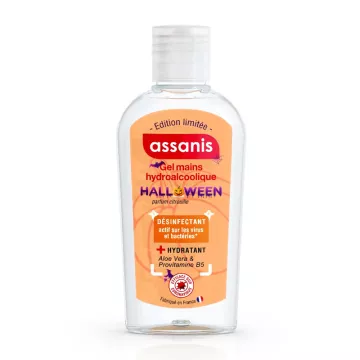
Hand hygiene refers to all the actions taken to remove dirt and reduce the microbial load on the skin. It is recognized by the WHO and Santé publique France as one of the most effective preventive measures in daily life, particularly during outbreaks (flu, gastroenteritis, seasonal viral infections). When done correctly, it helps limit the transmission of microorganisms between people, both at home and in healthcare settings, where it helps prevent healthcare-associated infections.
For effective handwashing, the WHO recommends following a 6-step sequence, ideally for 20 to 30 seconds:
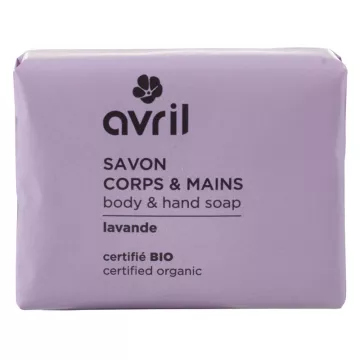
For everyday use, a mild, pH-neutral or slightly acidic soap is more than sufficient: it effectively cleans the skin while minimizing dryness. Ultra-moisturizing soaps are often preferred by those who wash their hands very frequently or who have sensitive skin. “Antibacterial” soaps intended for general consumer use offer no proven additional benefit for healthy skin compared to a mild soap and proper handwashing; they are reserved for specific medical indications in healthcare settings. Preserving the hydrolipidic film remains essential, as intact, well-moisturized hands provide a better natural barrier than cracked skin.
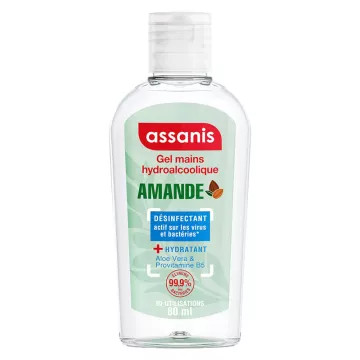
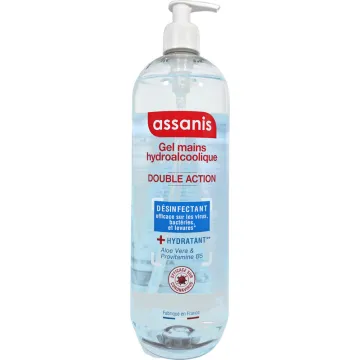
Hydroalcoholic gels (containing 60–95% ethanol or isopropanol, according to WHO guidelines) are a practical alternative when soap and water are not available. They reduce the microbial load in a matter of seconds by denaturing membrane proteins. However, they are not very effective on visibly soiled or greasy hands, in which case washing with soap and water remains essential.
The key times identified by health authorities:
For children, learninghand hygiene starts early and is reinforced through repetition and play: counting to 30 while washing, singing a nursery rhyme that lasts about 30 seconds, using a visual timer, or choosing a scented soap suitable for children. Associated routines (washing before meals, after using the restroom, and upon returning from school) reinforce the habit. At school, these practices help limit the spread of seasonal viruses and reduce absences.
Washing with soap and water remains the gold standard: it removes microorganisms, dirt, particles, and chemical residues through mechanical action. Hand sanitizer, on the other hand, does not clean; it disinfects: it is used as a supplement when access to a sink is not possible. Hand sanitizers are effective against many enveloped viruses (influenza, coronaviruses, etc.) but less so against certain particularly resistant agents, such as Clostridioides difficile spores, which require mechanical washing. The two methods are complementary, not interchangeable.
Good hand hygiene indirectly contributes to the fight against antibiotic resistance. By limiting the transmission of infections, it reduces the use of antibiotics (particularly for bacterial respiratory or skin infections), which slows the selection pressure on bacteria. This approach is explicitly highlighted by the WHO, the ECDC, and the Ministry of Health in their plans to combat antibiotic resistance. Hand hygiene remains an individual act with a significant collective impact.
Yes: hydroalcoholic gels have an expiration date and a use-by date after opening. Over time, the alcohol can evaporate—especially if the bottle is not tightly closed or is exposed to heat—which reduces the active concentration and thus the product’s effectiveness. Store the product in a cool, dry place, away from any heat sources (alcohol is flammable), with the cap tightly closed, and replace the bottle if the appearance, smell, or color changes.
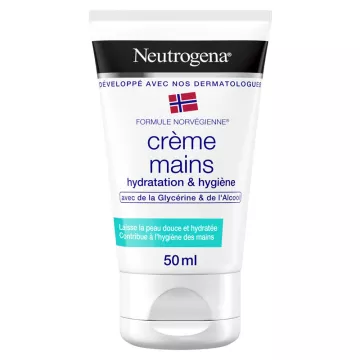
Inadequate hand hygiene promotes the transmission of microorganisms from person to person that cause many common infections: gastroenteritis, respiratory infections, conjunctivitis, and skin infections. On a broader scale, it contributes to the spread of seasonal epidemics (flu, viral gastroenteritis) and the circulation of emerging respiratory viruses. Effective flu prevention relies precisely on these simple steps. To protect skin that is frequently exposed to harsh conditions, it is essential to alternate with cleansing wipes when on the go and to maintain a regular skincare routine for dry or damaged hands.
In healthcare settings, hand hygiene products must meet strict standards: the EN 1500 standard evaluates bactericidal efficacy in hand hygiene through friction, while the EN 14476 standard focuses on virucidal activity. The hydroalcoholic solutions used in healthcare facilities are selected for their compliance with these standards, their skin tolerance, and their suitability for very frequent use. Healthcare staff are trained in the specific procedures for “hand washing” and “hand rubs” in accordance with the recommendations of the SF2H (French Society of Hospital Hygiene). In addition to these professional practices, protecting the hands with regular moisturizing care is essential to preserving the skin of healthcare staff.