Flu prevention relies on mechanisms and active ingredients that differ from those used for the common cold. The flu (Influenza A/B virus) is more severe—characterized by a sudden onset of high fever, intense muscle aches, and extreme fatigue—and carries a significantly higher risk of complications (pneumonia, dehydration) than the rhinovirus. The annual antigenic drift of the hemagglutinin and neuraminidase proteins quickly renders acquired immunity obsolete—hence the need for a vaccine reformulated each year by the WHO. Vaccination remains the most effective preventive measure, recommended by the HAS for at-risk individuals. Natural active ingredients play a complementary role in supporting immunity, not a substitute.
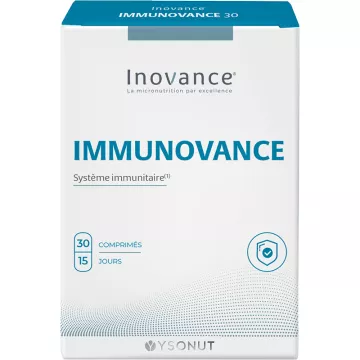
Black elderberry extract (Sambucus nigra, Sambucol) is the best-documented natural active ingredient against the influenza virus. Its anthocyanins directly inhibit viral hemagglutinin, preventing the virus from adhering to respiratory epithelial cells. The meta-analysis by Hawkins et al. (2019), which pooled data from four randomized trials, confirms a 3.86-day reduction in flu-like symptoms and a significant decrease in their severity with Sambucol (15 ml four times daily starting at the first sign of symptoms). Sambucol Immuno Forte (effervescent tablets) combines elderberry extract, vitamin C, and zinc.
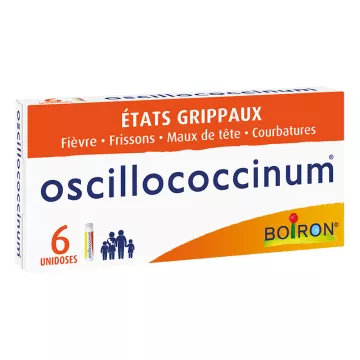
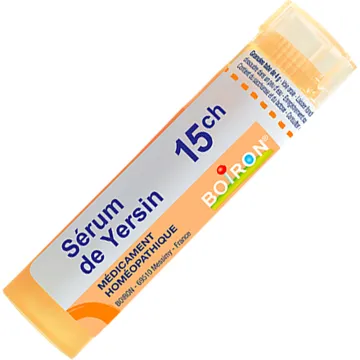
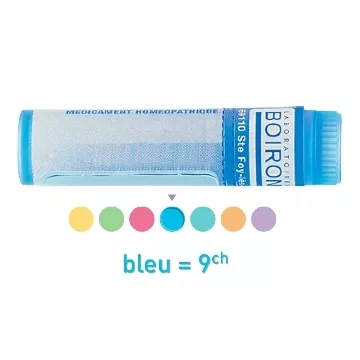
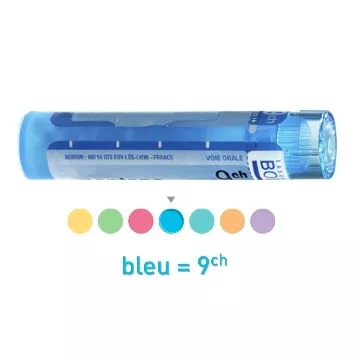
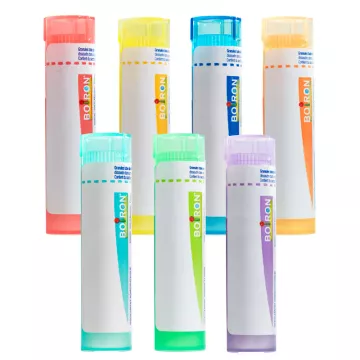
Oscillococcinum (Anas barbariae 200K) and Influenzinum 9CH are the two standard homeopathic remedies in France for flu-like symptoms. The Cochrane meta-analysis (2015, 6 trials, 1,523 participants) on Oscillococcinum noted a non-significant reduction in symptom duration but an excellent safety profile. Influenzinum 9CH (2025–2026 vaccine strain) is used for prevention at a dose of one per week from October through March. Yersin Serum (9CH or 15CH) targets flu-like symptoms accompanied by swollen lymph nodes and fatigue, while Thymusine 9CH stimulates thymic immunity. These treatments are part of a holistic, complementary approach.
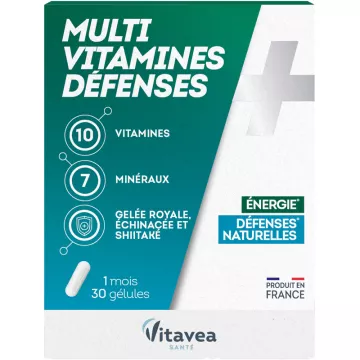
Up to 80% of the European population has insufficient serum levels by the end of winter. Vitamin D3 regulates the expression of antimicrobial peptides in respiratory cells, activates antiviral CD4 and CD8 T lymphocytes, and reduces the excessive inflammation responsible for severe cases. The meta-analysis by Martineau et al. (BMJ 2017, 25 studies, 11,321 participants) confirms a 12% reduction in the risk of respiratory infection, and a 70% reduction in individuals with severe deficiency (< 10 ng/mL). The recommended maintenance dose in winter is 1,500 to 2,000 IU/day for adults.
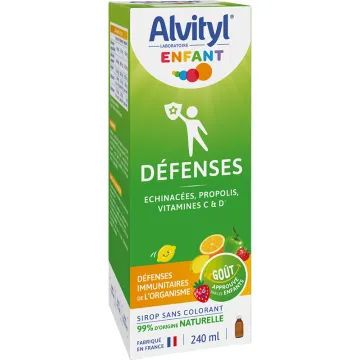
Echinacea (E. purpurea, alkylamides + polysaccharides) stimulates innate immunity—macrophages, NK cells, and the production of type I antiviral interferons. The meta-analysis by Shah et al. (Lancet ID 2007) confirms a 58% reduction in the frequency of respiratory infections and a 1.4-day reduction in their duration.Astragalus (astragalosides) acts on deep adaptive immunity—stimulating IL-2, cytotoxic T cells, and the complement system. Its slower but long-lasting action makes it the active ingredient of choice for a long-term preventive regimen lasting 3 to 6 months.
Natural active ingredients are more effective when combined with strict hygiene practices. Wash your hands for 20 seconds after any high-risk contact—the influenza virus survives for up to 24 hours on inanimate surfaces. Ventilate indoor spaces daily (10 minutes in the morning and evening), as the concentration of the virus in aerosols increases in confined spaces. Get ≥ 7 hours of sleep—sleep deprivation reduces post-vaccination antibody production by 50%, according to Spiegel et al. (2002). Cut back on smoking—it impairs the respiratory mucociliary barrier and prolongs the duration of flu-like symptoms. To strengthen your immune defenses over the long term, preventing colds is part of the same seasonal immune support strategy.