Glycerin, also known as glycerol, is a natural compound derived from plants or animals.
It is obtained through the saponification of fats, a chemical process that has long been used in the manufacture of soap and oils.
Thanks to its moisturizing, protective, and softening properties, glycerin is widely used in cosmetics, pharmaceuticals, and food products.
Highly valued for its humectant and emollient effects, it remains an essential ingredient for dry skin, damaged hair, and many medicinal preparations.
Glycerin offers several scientifically recognized benefits, particularly valued in dermatology and cosmetics:
For the most dehydrated skin, browse our section dedicated to dry skin.
Glycerin can be used in several forms depending on your needs and the area being treated:
Tip: For a homemade moisturizing treatment, mix a few drops of vegetable glycerin into your usual cream or lotion to boost its moisturizing effect.
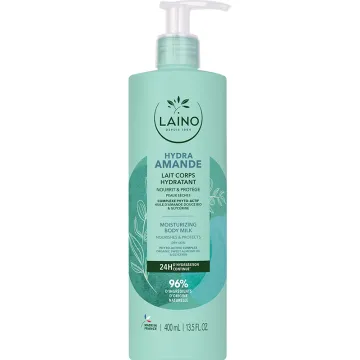
Glycerin is an excellent moisturizing and protective agent with well-documented benefits for the skin:
It reduces roughness and the tight, pulling sensation typical of dehydrated skin.
It improves the skin’s elasticity and suppleness by restoring its optimal moisture levels.
It provides long-lasting protection against dryness caused by cold, wind, or environmental stressors.
Finally, it soothes sensitive skin prone to chronic irritation.
It is particularly recommended for dry, atopic, and dehydrated skin; complete your routine with our facial hydration selection.
Yes, glycerin is particularly well-known for moisturizing and providing long-lasting protection to the hair shaft:
Yes, glycerin is an excellent moisturizer for dry, chapped, or cold-exposed lips.
It softens and smooths the lip skin, which is particularly thin and vulnerable to external irritants.
It protects against the chapping and cracking typical of cold seasons or dry climates.
It also provides a natural plumping effect without the need for irritating ingredients.
It can be applied on its own in very small amounts or mixed into a lip balm to enhance its effectiveness.
Yes, thanks to its moisturizing and soothing properties, glycerin has long been used to provide relief for the upper respiratory tract:
It soothes irritated mucous membranes and reduces the sensation of burning or tingling.
It moisturizes the throat and alleviates the sensation of persistent dryness.
It relieves dry, irritating coughs and mild sore throats, in addition to ensuring proper hydration.
It is a common ingredient in soothing syrups and lozenges available at pharmacies; if symptoms persist, browse our sore throat section and ask your pharmacist for advice.
Yes, glycerin is a major excipient in many pharmaceutical products:
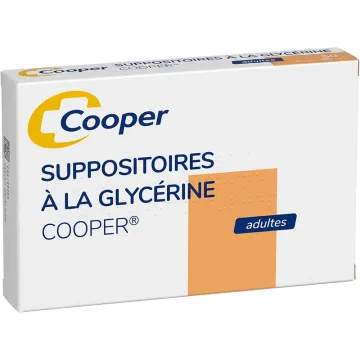
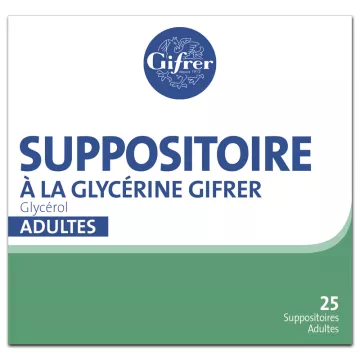
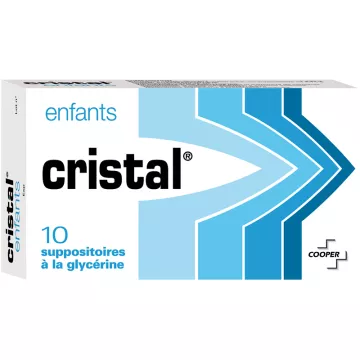
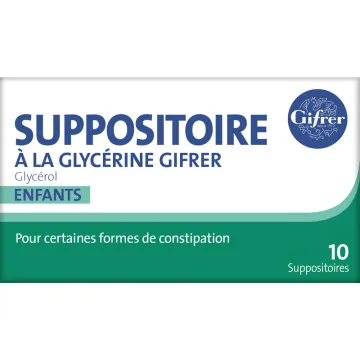
Glycerin suppositories: used occasionally for their mild, mechanical laxative effect (as advised by a pharmacist; never for prolonged use).
Ophthalmic solutions: included in certain moisturizing eye drops to relieve dry and irritated eyes.
Hydroalcoholic and antiseptic gels: added to help maintain skin hydration during repeated disinfection.
Yes, vegetable glycerin is approved as a food additive (E number 422 in the European Union):
It preserves the natural moisture of foods and prevents them from drying out prematurely.
It improves the texture of baked goods, candies, and processed foods.
It helps dissolve flavorings and colorings in beverages, syrups, and liquid preparations.
It is recognized as safe by health authorities (EFSA, ANSES) at typical dietary doses.
No, glycerin is generally well tolerated, but a few precautions are still essential:
In very dry conditions, applying pure glycerin can, paradoxically, draw moisture from the skin and cause a drying effect.
Ingesting large amounts can cause laxative effects or digestive issues; follow the recommended doses.
Always dilute it before applying to the face, scalp, or sensitive areas, and consult your pharmacist if you have any doubts.
Incorporating glycerin into a beauty routine relies on three complementary and accessible uses:
Mixed with your usualmoisturizer: just a few drops are enough to significantly boost the nourishing effect of a standard cream.
Combined with a plant-based oil: this duo enhances the penetration of active ingredients while forming a long-lasting protective barrier.
As a weekly hair mask: it restores shine and suppleness to dry or colored hair in just a few applications.
Yes, glycerin works particularly well in combination with other natural active ingredients:
Withaloe vera: for an enhanced moisturizing and soothing effect, ideal for sensitive or reddened skin.
With coconut oil or sweet almond oil: for deeply nourishing care that restores the skin barrier.
With honey and lemon (to be applied sparingly and avoided on sensitive areas): for a radiance-boosting and softening mask designed for dull skin.