What is a callus, and how does it form?
A callus is an area of skin that becomes thick and hard in response to repeated friction, pressure, or other irritations. They usually develop on the feet—particularly on the toes, heels, or soles—but they can also appear on the hands or other parts of the body subject to friction. The formation of calluses is a protective reaction by the skin to minimize tissue damage caused by continuous pressure.
What are the symptoms and signs of calluses?
Calluses appear as areas of thickened, hardened, and sometimes yellowish skin. Although they are generally not painful, they can become uncomfortable if they grow too thick or if they put pressure on underlying structures. In some cases, they can make walking difficult or painful.
Who is most at risk of developing calluses?
Anyone exposed to repeated friction or pressure can develop calluses. This includes, but is not limited to, athletes, people whose jobs require them to stand for long periods, and those who frequently wear ill-fitting shoes. People with foot deformities, such as bunions, are also more likely to develop calluses.
How can calluses be treated and prevented?
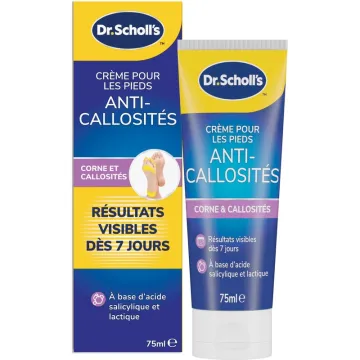
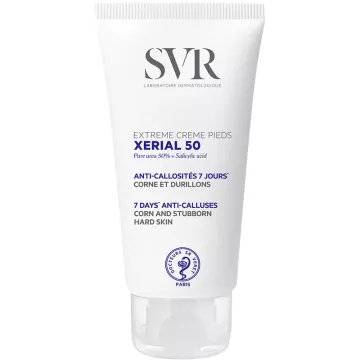
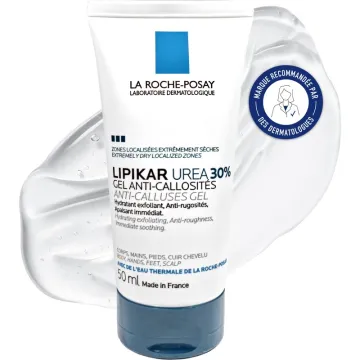
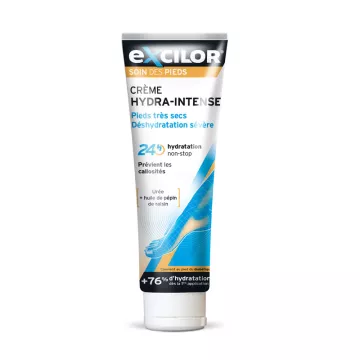
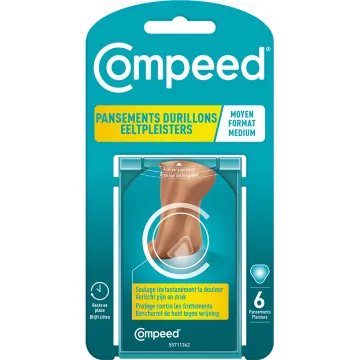
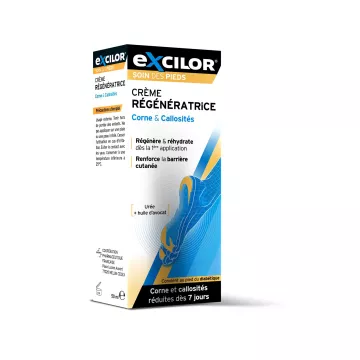
Treating calluses involves several strategies aimed at reducing pressure and friction. Wearing well-fitting, comfortable shoes is essential. Orthotic insoles can help redistribute pressure across the foot. For existing calluses, salicylic acid-based keratolytic creams can help soften and reduce the thickness of the skin. In some cases, a podiatrist can remove them through professional debridement. Preventing calluses involves choosing appropriate shoes, using protective measures such as gel pads, and maintaining good foot hygiene.
When should you see a healthcare professional for calluses?
It is advisable to consult a healthcare professional if calluses become painful, become infected, or interfere with walking or daily activities. People with diabetes or those with circulatory problems should be particularly vigilant and consult a specialist regularly for foot care.
What is the difference between a callus and a corn?
Although often confused, calluses and corns have distinct characteristics. Calluses are thickened areas of skin that typically form on parts of the foot subject to friction or pressure, such as the heels or the soles of the feet. They are generally larger and less clearly defined. Corns, on the other hand, are smaller areas of hardened skin, often surrounded by inflamed skin, and typically form on non-weight-bearing areas of the foot or between the toes. Corns can be more painful than calluses because of their central core, which puts pressure on nerve endings.
Can calluses indicate another health problem?
In some cases, the development of calluses may signal other underlying health issues, such as posture problems, foot deformities (flat feet, bunions, etc.), or even metabolic disorders like diabetes, which can affect skin health and increase the risk of complications. If calluses appear for no apparent reason or are accompanied by other symptoms, it’s important to consult a healthcare professional to rule out these conditions.
Are there any effective home remedies for calluses?
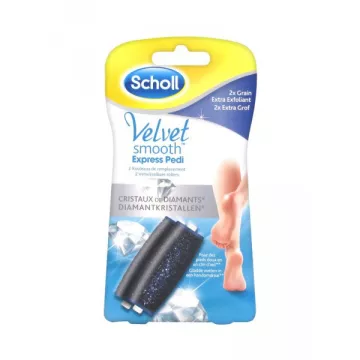
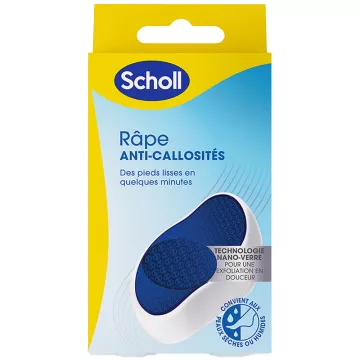
Several home remedies can help relieve calluses. For example, soaking your feet in warm water with baking soda or Epsom salt can soften thickened skin, making it easier to gently exfoliate with a pumice stone or foot file. Regularly applying moisturizers, such as creams containing urea or lactic acid, can also help keep the skin supple and prevent thickening. However, it’s important to use these methods with caution, especially for people with sensitive skin or medical conditions such as diabetes.
Can you wear high heels if you have calluses?
Wearing high heels can put extra pressure on certain parts of the foot, thereby aggravating existing calluses or promoting their formation. If wearing heels is unavoidable, choosing well-fitting styles with good arch support and limiting wear to short periods can help reduce the risk. Using protective pads specifically designed for high heels can also provide a barrier against excessive friction.
Is surgery an option for removing calluses?
Surgery is generally not recommended for treating calluses because they result from external friction and pressure; unless these factors are addressed, the calluses will likely reappear after the procedure. In very specific cases, where calluses result from bone deformities, surgery to correct these deformities may be considered. However, this approach is reserved for cases where other treatment methods have failed and the patient’s quality of life is significantly affected.