What is an abrasion?
An abrasion is a superficial skin injury caused by friction against a rough surface —such as asphalt, gravel, a sports surface, a wall, or tree bark. It is characterized by the tearing of the epidermis—sometimes down to the superficial dermis—over an area that is often wide but shallow. This distinguishes it from a cut (a wound caused by a sharp object), a laceration, or a thermal burn. The edges are irregular; the affected area stings, oozes slightly, and may contain debris (dirt, gravel, blades of grass). Very common among children and athletes, an abrasion requires careful treatment to minimize the risk of infection and potential scarring.
How does it differ from other types of injuries?
Clinical indicators are helpful:
- Abrasion: a broad, shallow tear with irregular edges and diffuse, spreading bleeding;
- Cut: clean edges, variable depth, more localized bleeding, caused by a sharp object;
- Burn: no skin tear, erythema or blister, caused by heat, chemicals, or electricity;
- Contusion: no skin laceration, hematoma under intact skin;
- Wound contaminated by splatter: requires thorough cleaning, or even gentle brushing, to prevent “traumatic tattooing.”
What steps should you take first?
First-aid protocol:
- Wash your hands before handling the injury;
- Rinse thoroughly with tap water (potable) for 5 to 10 minutes;
- Use a mild, unscented liquid soap to loosen the dirt;
- Gentlyremove debris using a sterile gauze pad; small particles and strands must be removed one by one, using sterile tweezers if necessary;
- Pat dry with a sterile gauze pad;
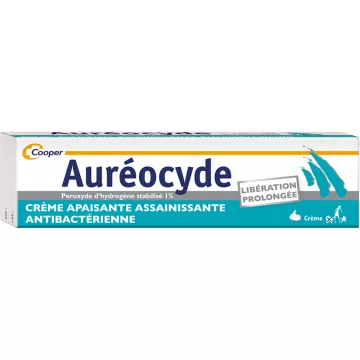
- Apply a suitable antiseptic solution (aqueous chlorhexidine as a first-line treatment; povidone-iodine should be avoided on large areas, during the second and third trimesters of pregnancy, and in children under 30 months of age);
- Cover with an occlusive dressing or interface dressing that does not adhere to the wound bed (preferable to a conventional adhesive dressing on a weeping abrasion).
Why is debridement essential?
Sports-related abrasions or those caused by a fall on asphalt often contain foreign debris (gravel, tar particles, blades of grass, dirt). If these foreign bodies are not removed before healing occurs, they remain trapped beneath the new skin, creating a “traumatic tattoo” —a permanent bluish or blackish discoloration that is very difficult to correct later. Initial cleaning must therefore be meticulous—even if it takes more than 10 minutes—using water and mild soap, sometimes with very gentle scrubbing using a damp sterile gauze pad. For extensive or heavily soiled facial scrapes, seeking medical advice allows for safe instrumental cleaning.
What kind of bandage should you use for a scrape?
The choice depends onthe extent of the wound and whether it is weeping:
- Oily dressing (tulle interface impregnated with petroleum jelly or silicone): the standard choice for abrasions; prevents adhesion and causes less tearing of the scarred skin;
- Hydrocolloid dressing: promotes moist healing after the first 24 hours; useful for joint areas (knee, elbow);
- Hydrocellular dressing for heavily weeping abrasions;
- Sterile gauze pads + bandage for large areas;
- Avoid the following in the first 24–48 hours: conventional adhesive bandages that stick to the exuding wound bed;
- Change the dressing daily or immediately if it becomes saturated or soiled;
- For superficial facial abrasions: leaving the area exposed to the air after disinfection may speed up healing, provided it is protected from the sun.
What soothing remedies should you use?
Several soothing and healing active ingredients have proven effective:
- Purealoe vera gel: provides an immediate cooling and soothing effect; apply after disinfecting;
- Panthenol (dexpanthenol, vitamin B5): the gold standard for skin repair;
- Allantoin and Centella asiatica: soothing and restorative;
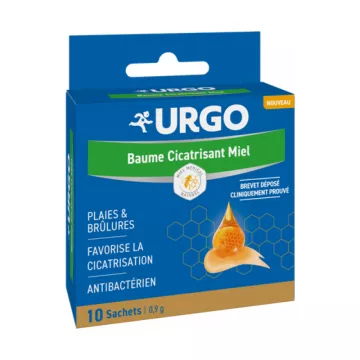
- Honey (ideally manuka honey): has antibacterial and moisturizing properties; apply to a cleaned wound;
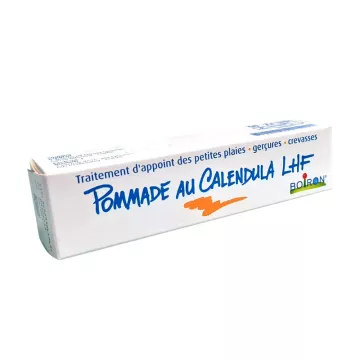
- Calendula oil macerate: a traditional soothing agent;
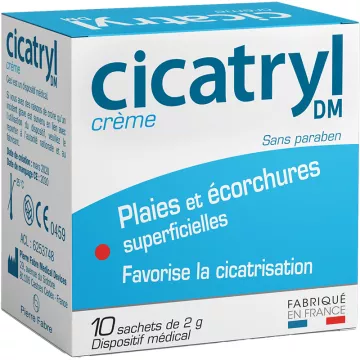
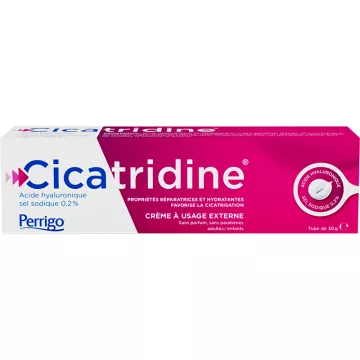
- Wound-healing creams from dermatological laboratories (containing copper, zinc, and manganese; dexpanthenol; and madecassoside);
- Avoid using on open wounds: pure essential oils, 70° alcohol, concentrated hydrogen peroxide, mercurochrome.
Can you exercise with a scrape?
Yes, under certain conditions:
- The wound must be clean, disinfected, and covered with an appropriate bandage (waterproof for swimming);
- Avoid activities that expose the area to friction or impact (cycling, mountain biking, board sports) for 7 to 10 days;
- Replace the bandage after exercise, especially if you’ve sweated heavily;
- Shower immediately after exercising, clean the area again, and apply a fresh bandage;
- Do not swim in the ocean, a pool, or standing water during the weeping phase (at least 48 to 72 hours);
- Watch for any worsening symptoms: increasing redness, warmth, or intensifying pain → stop activity and see a doctor.
When should you see a doctor?
A doctor ’s visit is essential in the following situations:
- Extensive abrasion (larger than the surface area of a hand), especially in children;
- Presence of deeply embedded debris that cannot be removed;
- Heavy or prolonged bleeding;
- A graze on the face with a risk of cosmetic scarring;
- Involvement of the eye, ear canal, or genitalia;
- Signs of infection after 48–72 hours: increasing redness beyond the edges of the wound, warmth, swelling, purulent discharge, worsening pain, a red streak extending upward, fever;
- Wound caused by an animal or human bite (risk of infection and rabies);
- Uncertain tetanus vaccination status or a booster shot administered more than 20 years ago: tetanus vaccination update;
- Scar that thickens or becomes discolored after a few weeks: consult a dermatologist.
The community pharmacist remains the first point of contact for selecting antiseptics and dressings and for monitoring wound healing, with referral to a physician if necessary.