When should Micropore be used to secure bandages?
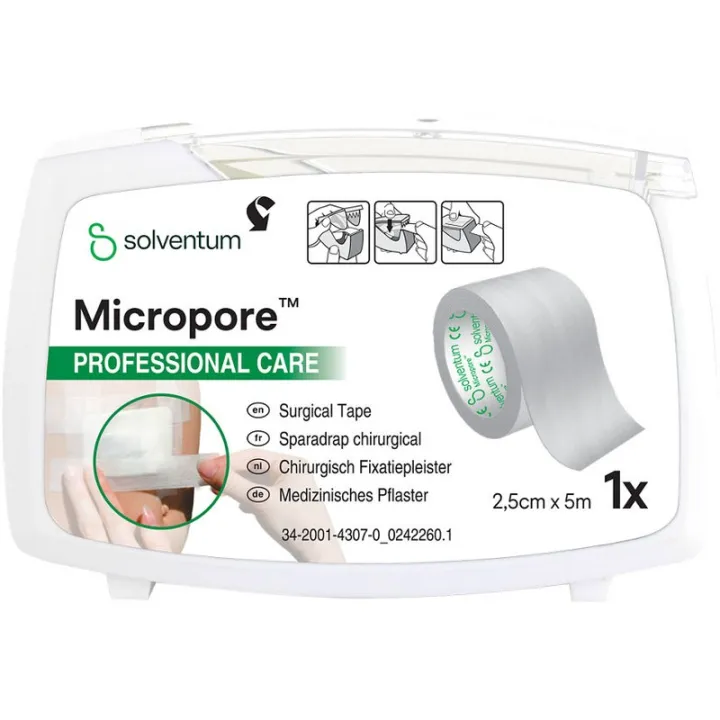
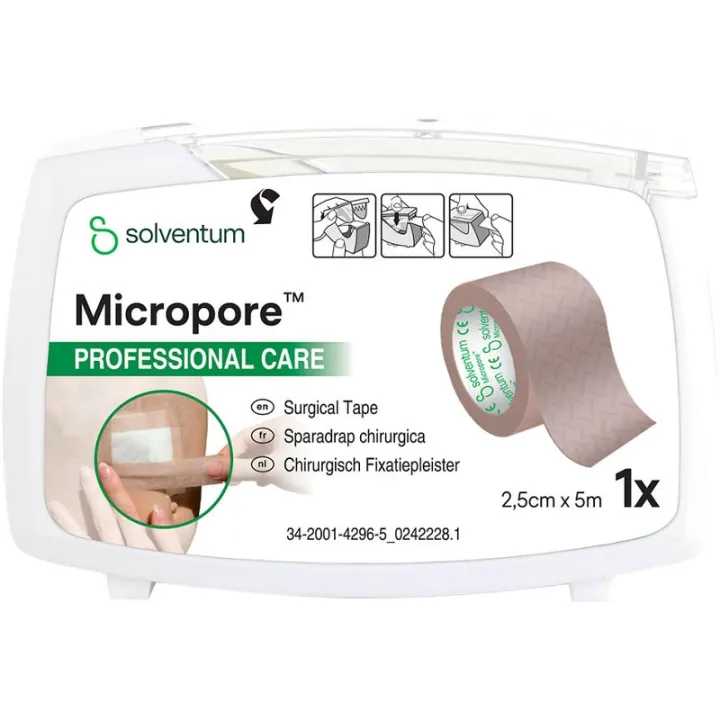
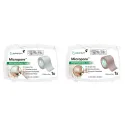
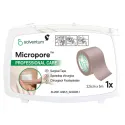
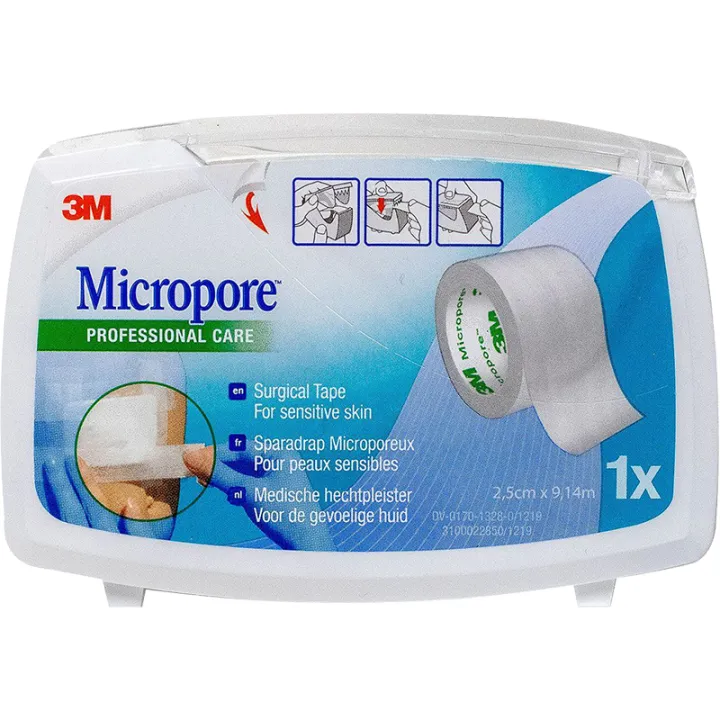
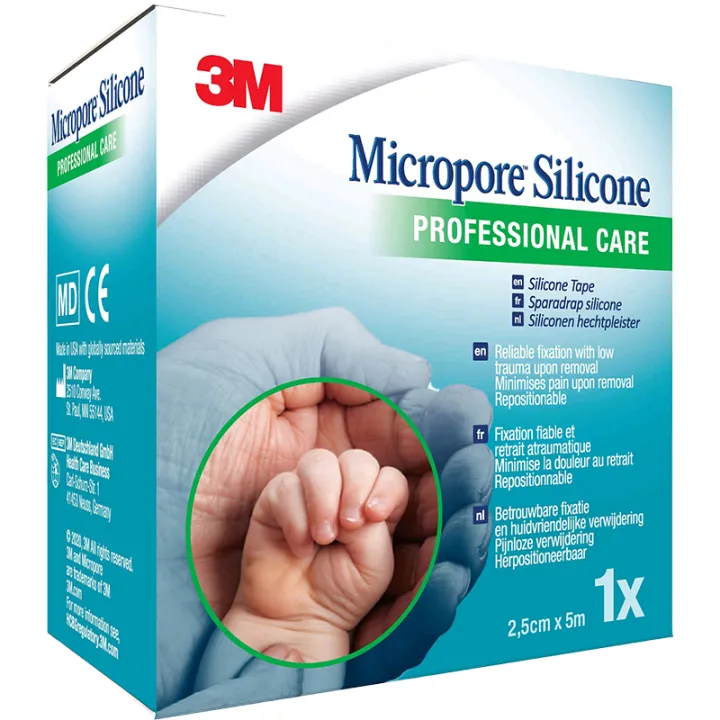
Micropore Solventum Surgical Adhesive Tape, formerly known as 3M Micropore, is a 2.5 cm wide, microporous nonwoven adhesive tape wound on a dispenser. Its purpose is simple: to secure dressings. It holds a gauze pad, gauze mesh, or a small bandage without an adhesive edge in place without covering the entire area with adhesive.
Its breathable backing allows the skin to breathe: air and water vapor pass through the tape, reducing the feeling of stuffiness under the dressing. This makes it the tape of choice for dressings that are changed frequently—daily or several times a day.
Soft and thin, it conforms to the skin’s subtle contours and follows small movements without lifting at the edges. Its adhesive bonds immediately upon application and stays secure for up to 72 hours—the typical duration for a light dressing.
At home, it’s also useful after a blood draw—to hold a compress over the puncture site—or to secure the lightweight tubing of a tube or catheter being monitored by a nurse. It can be torn by hand, which comes in handy when a dispenser isn’t available.
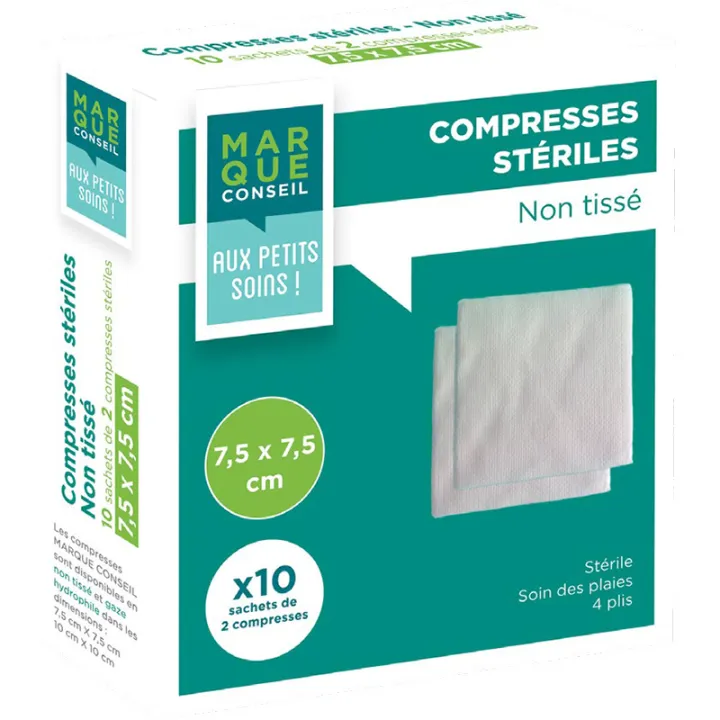
A bandage only holds things in place—it’s the compress that absorbs and protects. For this purpose, we recommend the Conseil Brand Sterile Non-Woven Compresses, individually wrapped: the compress covers the wound, and the Micropore holds it in place at the edges.
How do you apply this surgical adhesive tape?
Instructions for Use
Open the dispenser cover, unroll the required length, and cut it along the serrated edge while closing the cover. Apply to clean, dry skin on both sides of the dressing.
Share your feedback on the instructions for using Solventum Micropore Surgical Adhesive Tape with our partner “Verified Reviews” after your purchase.
Precautions
- For external use only, on healthy, intact skin.
- This adhesive bandage is not sterile: do not apply it directly to a wound; always apply it over a gauze pad or dressing.
- Do not apply the bandage under tension: a stretched bandage pulls on the skin and may cause blisters or skin tears when removed.
- Remove slowly, close to the skin, by folding the adhesive bandage back on itself and holding the skin with your other hand, rather than pulling it up sharply.
- Do not use if you have a known allergy to acrylic adhesives.
- For delicate skin (elderly individuals, infants, or skin thinned by long-term corticosteroid treatment): a silicone-based adhesive bandage is more suitable.
- If redness, itching, or blisters develop under the bandage, remove it and consult your pharmacist.
- If the wound under the bandage becomes red, hot, oozes, becomes painful, or does not improve, consult a doctor.
- Single-use product: Once removed, the bandage cannot be reapplied.
- Store at room temperature, away from moisture and heat, with the dispenser cap closed. Keep out of reach of children.
What are the ingredients in this adhesive bandage?
Composition
Nonwoven rayon fiber backing; acrylate copolymer adhesive.
Packaging
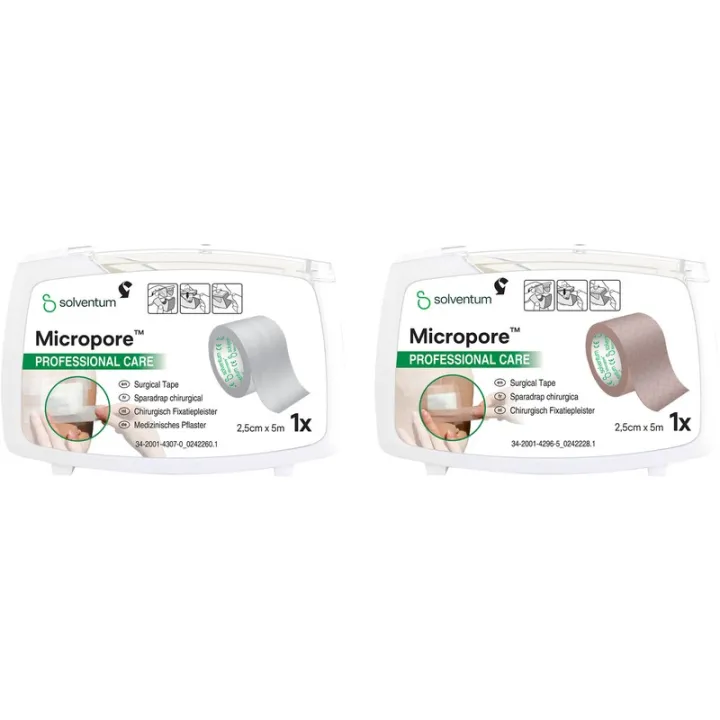
One 2.5 cm x 5 m roll on a dispenser with a cutting blade, available in white or beige.
Our expert advice on Micropore for securing a bandage
When the skin becomes red under a bandage, people instinctively blame the adhesive. In practice, the cause is more often the way the bandage is applied and removed than its composition: the application and removal instructions listed in the precautions section have a greater impact on skin tolerance than the choice of bandage roll. Before concluding that you have an allergy and switching products, review these steps.
Micropore is a lightweight adhesive bandage designed to hold a compress in place on areas that move very little: the forearm, the back of the hand, the face, or the abdomen. On a knee, elbow, or finger, skin folds cause it to peel off quickly; a cohesive bandage or tubular mesh holds better than layering adhesive bandages, which irritate the skin without providing any better hold.
FAQ
Should I choose Micropore Solventum Surgical Adhesive Tape in white or beige?
Both colors have the same backing, the same adhesive, and the same size: only the color differs. Beige is less noticeable on the skin, making it the preferred choice for the face or hands. White makes it easier to spot the edges of the bandage and even the slightest trace of oozing.
Can I get the Micropore Solventum Surgical Bandage wet?
It maintains good adhesion on slightly damp skin, but it is not waterproof: water passes through the nonwoven fabric and wets the pad. For a bandage exposed daily to showering or sweat, a plastic bandage or a waterproof bandage is more suitable.
Can I use Micropore Solventum Surgical Adhesive Tape if I’m allergic to latex?
Yes. It is not made with natural rubber latex, neither in its backing nor in its adhesive.
Micropore Solventum Surgical Adhesive Tape is a CE-marked medical device manufactured by Solventum and intended for securing dressings. Read the instructions on the packaging carefully before use.