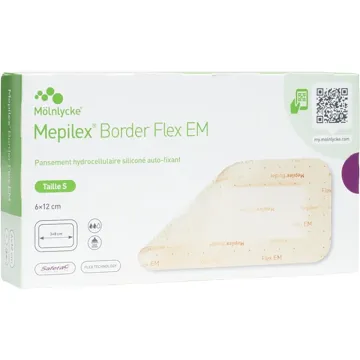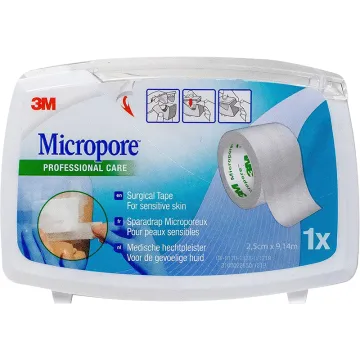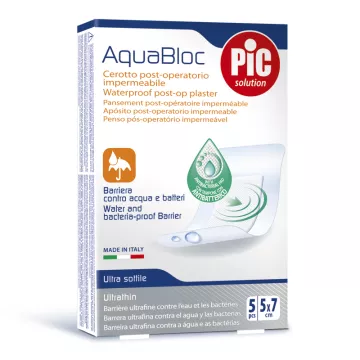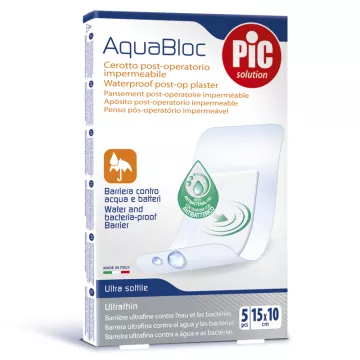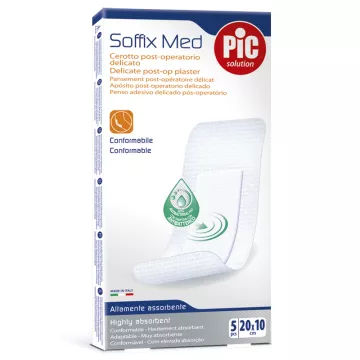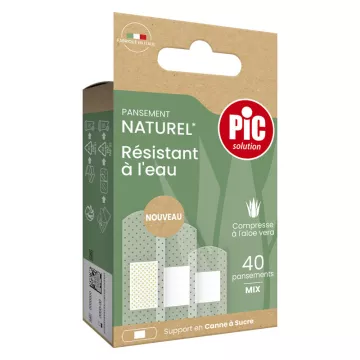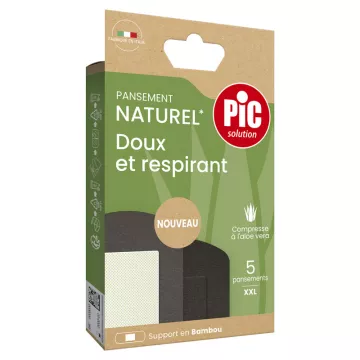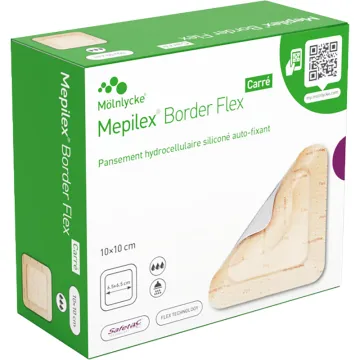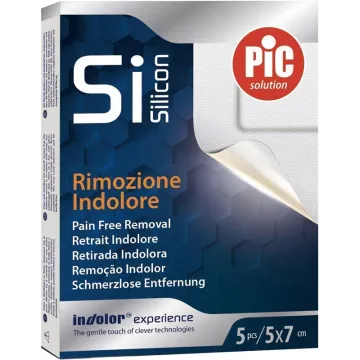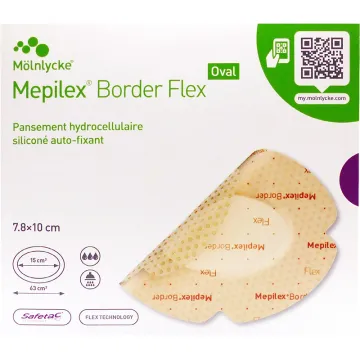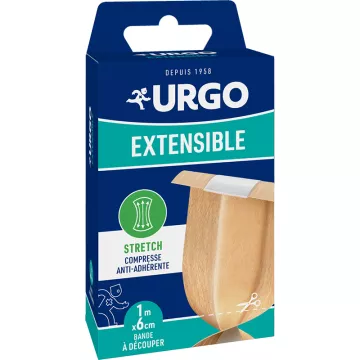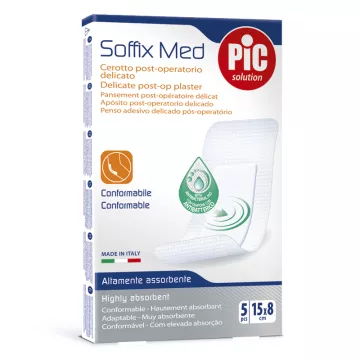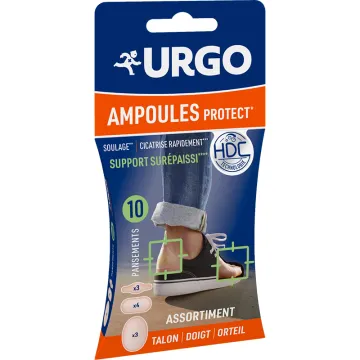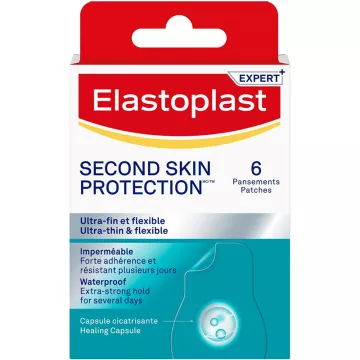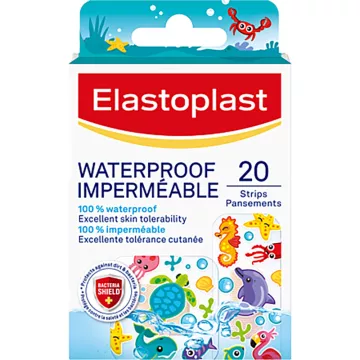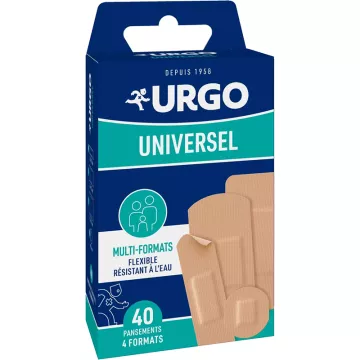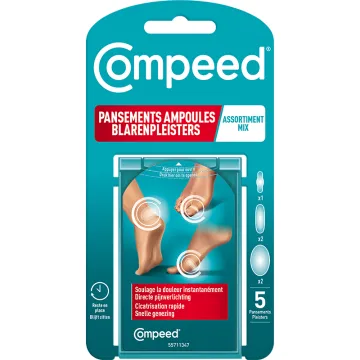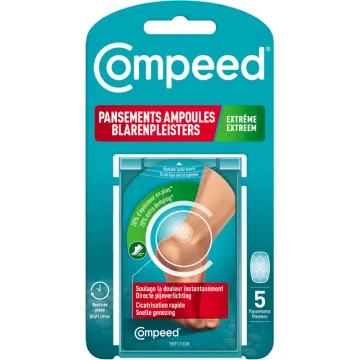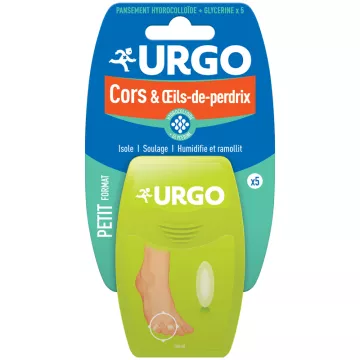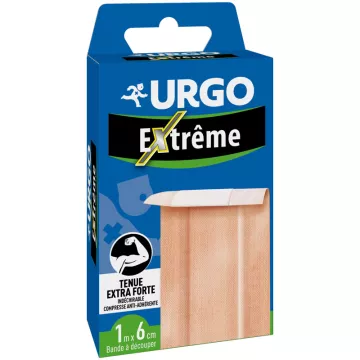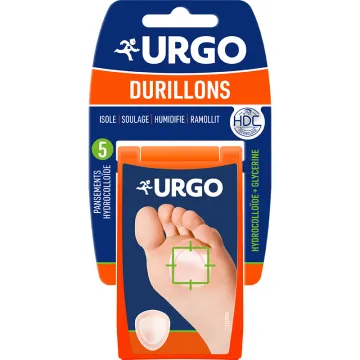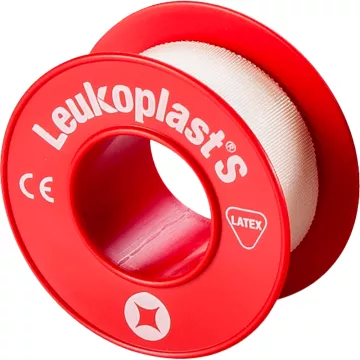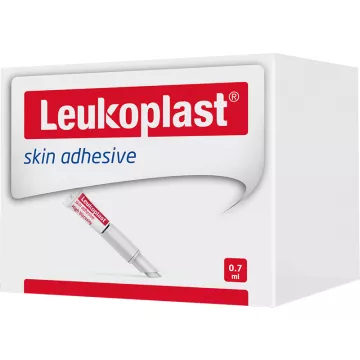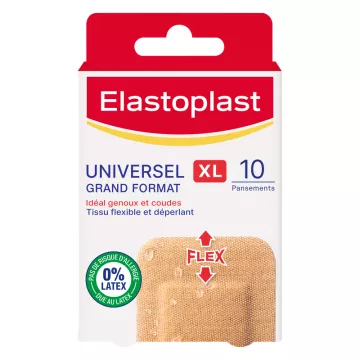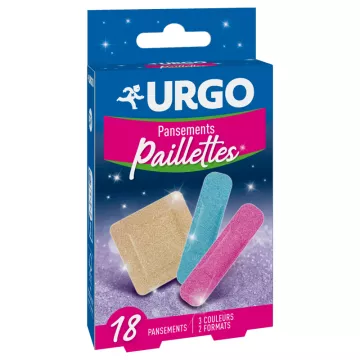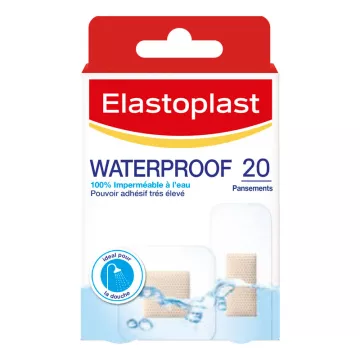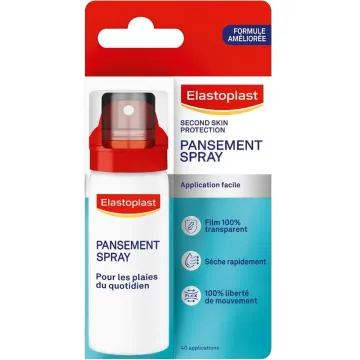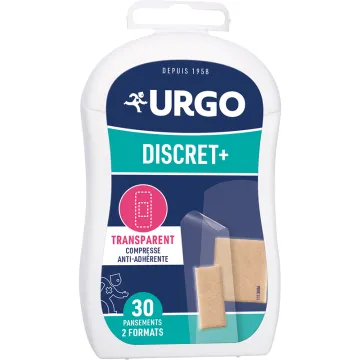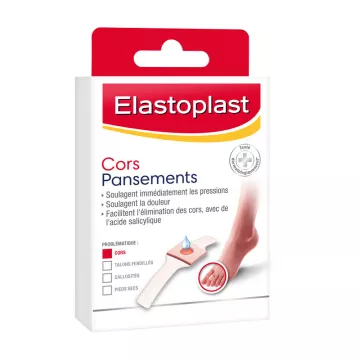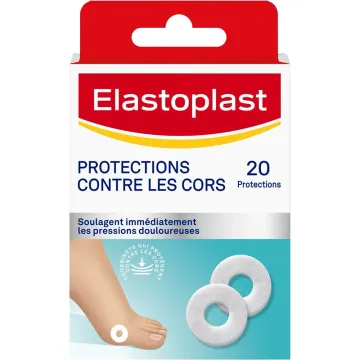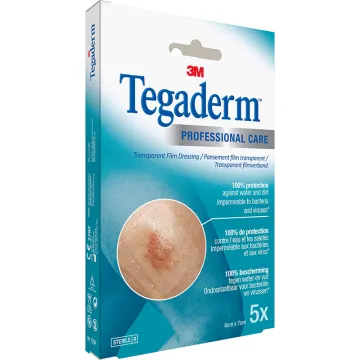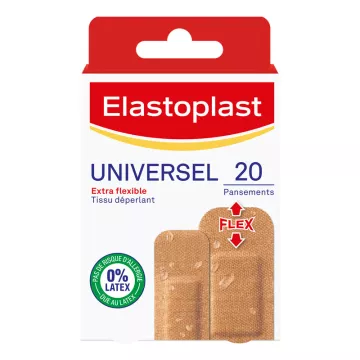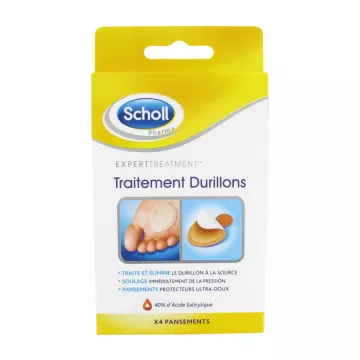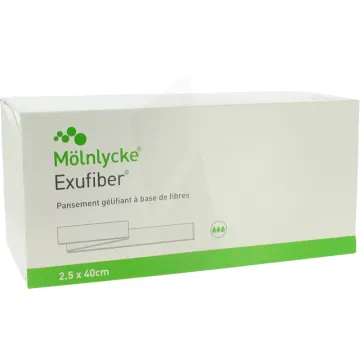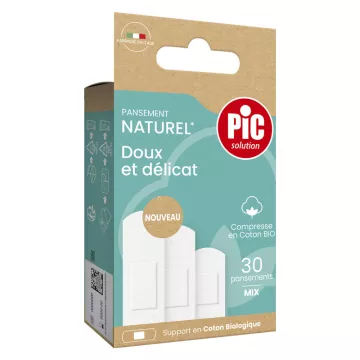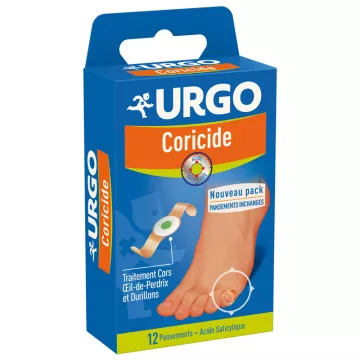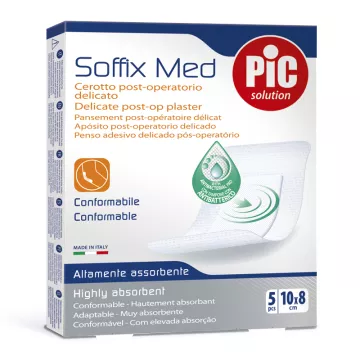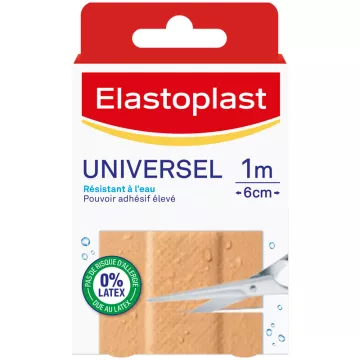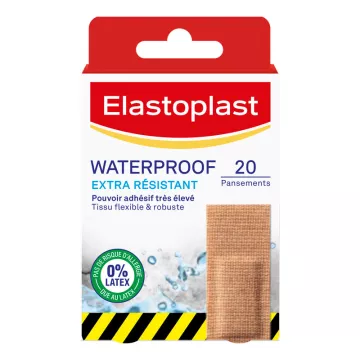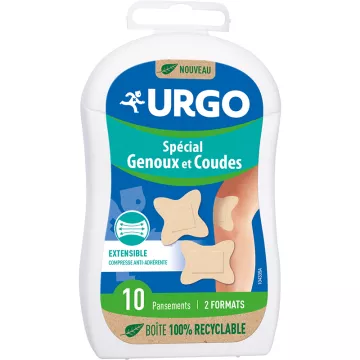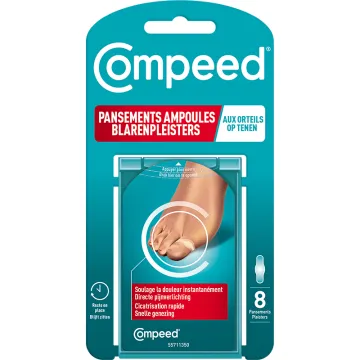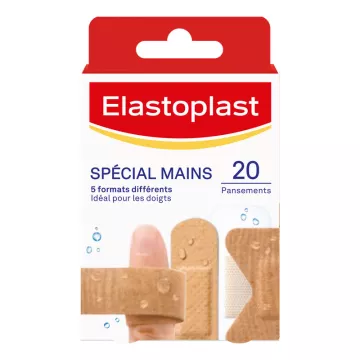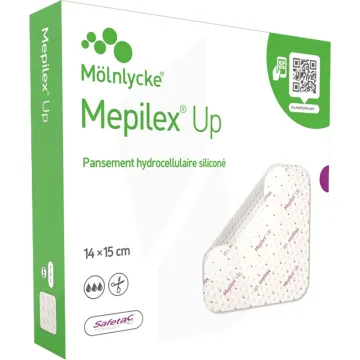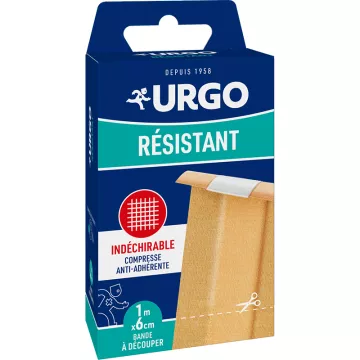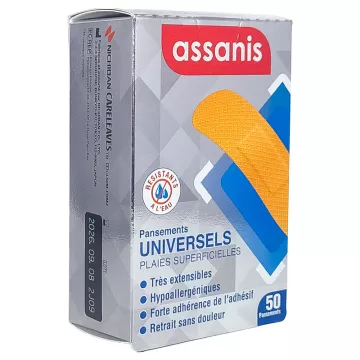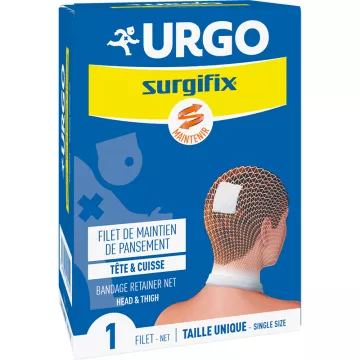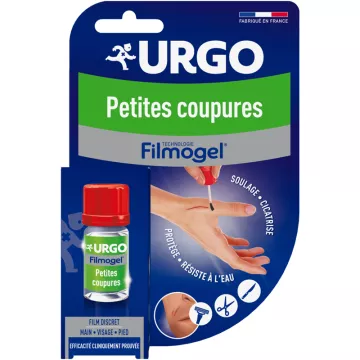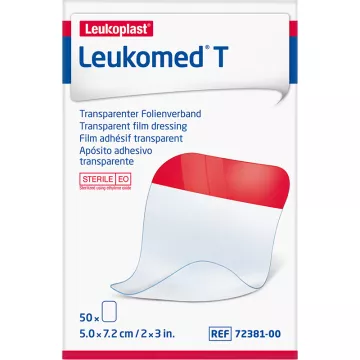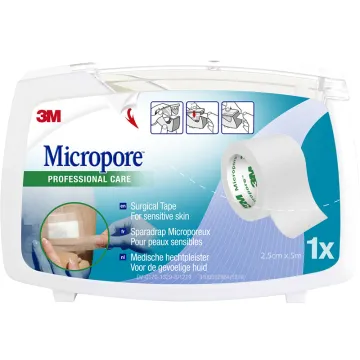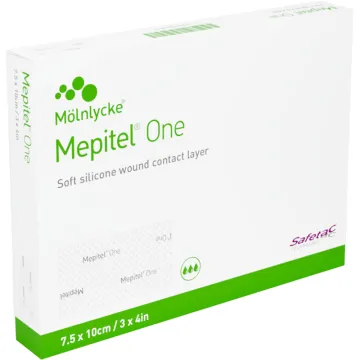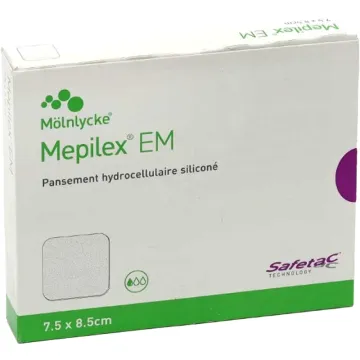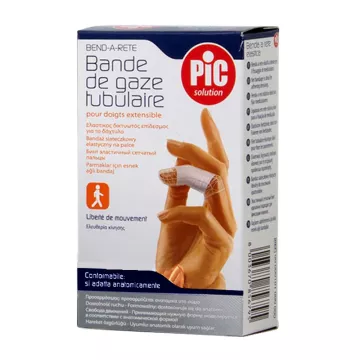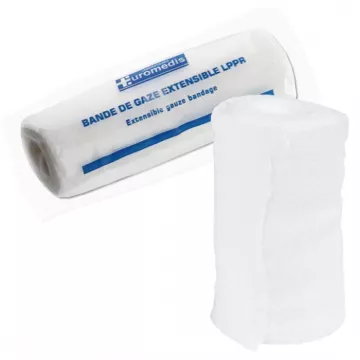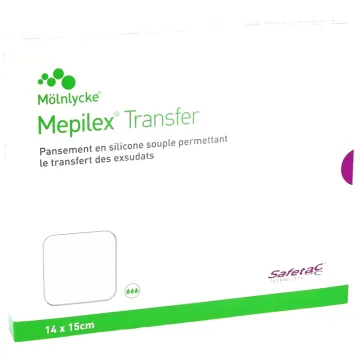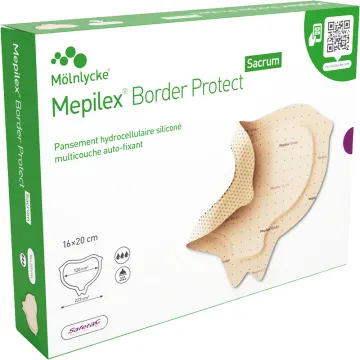
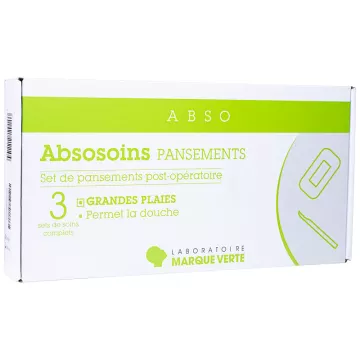
The choice of bandage depends directly on the nature of the wound. For a superficial cut or scrape, a sterile, waterproof, and breathable adhesive bandage is sufficient—it protects against infection while allowing the skin to breathe. For exudative (oozing) wounds or minor burns, hydrocolloid dressings are particularly suitable: when they come into contact with exudate, they form a gel that creates a moist environment conducive to healing, reduce scab formation and the pain associated with drying out, and can remain in place for several days without needing to be changed, unlike traditional dressings. The available ranges of dressings cover all these needs depending on the type and location of the wound.
For wounds at high risk of infection, dressings impregnated with antibacterial or antiseptic agents offer additional protection. Regardless of the type chosen, proper application is key to its effectiveness: carefully clean the wound with water and mild soap or an antiseptic solution before applying the dressing; pat it dry gently with a clean gauze pad without rubbing; then choose an appropriate size that fully covers the affected area.
Changing a bandage follows a specific protocol to minimize the risk of infection: Wash your hands thoroughly with soap and water before handling the wound; gently remove the old bandage without touching the adhesive side; clean the wound with an antiseptic solution to remove bacteria and debris, pat the area dry with sterile gauze, then apply the new dressing, avoiding any contact with the side that will touch the wound. The frequency of dressing changes depends on the type of dressing and the level of exudate—generally daily for conventional dressings, and less frequently for hydrocolloid dressings.
Several situations require a medical consultation rather than home care:
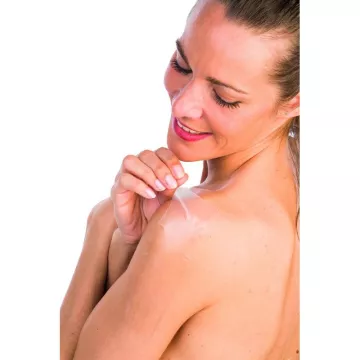
To minimize the formation of unsightly scars, silicone dressings maintain optimal hydration of the healing skin, a property proven to reduce the appearance of scars. Keep the area regularly moisturized and consistently protect it from the sun throughout the entire healing process—newly formed skin is particularly sensitive to UV rays, which can permanently worsen the appearance of the scar.
From a nutritional perspective, vitamin C plays a direct role in collagen synthesis—an essential structural component of skin healing —while zinc supports tissue repair and the local immune response. Improper use of bandages carries several risks: infection if the bandage is applied incorrectly or not changed often enough; an allergic reaction to adhesives in sensitive skin; delayed healing if the wrong type of bandage is used; and skin irritation if the bandage is too tight or changed too frequently.