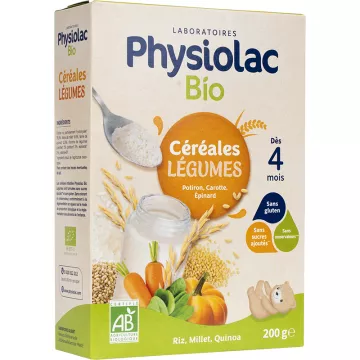
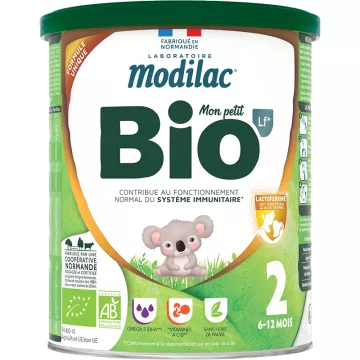
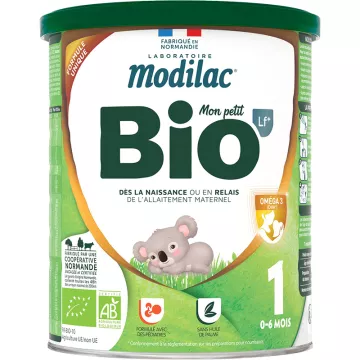
Infant nutrition refers to the total nutritional intake that supports an infant’s growth and development, from birth until about age 3. This period is crucial: it shapes the development of food preferences, digestive maturation, allergy prevention, and the development of taste.
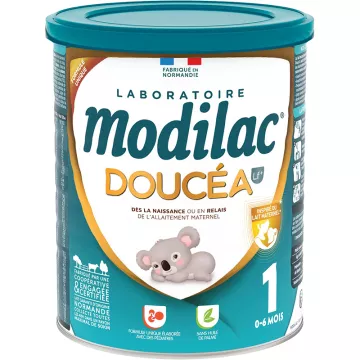
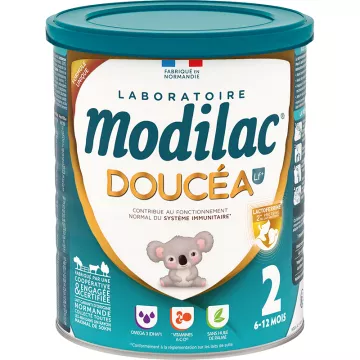
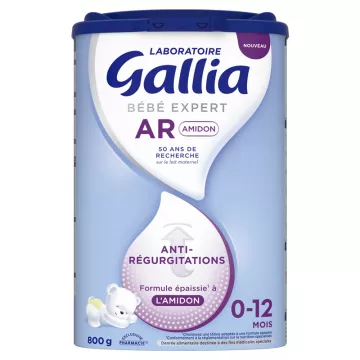
According to the WHO and the French Society of Pediatrics, exclusive breastfeeding is recommended until 6 months of age, supplemented by gradual introduction of solid foods until age 2 and beyond. If breastfeeding is not possible, age-appropriate infant formula should be used instead. The transition to a varied diet should be gradual, respectful of the child’s pace, and guided by a pediatrician’s advice. Additional resources are available regarding the introduction of solid foods andbreastfeeding in general.
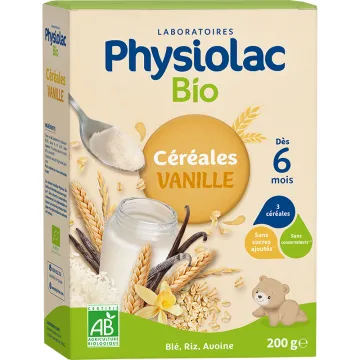
Solid food introduction begins between 4 and 6 months of age, according to current recommendations from the WHO and the French Society of Pediatrics. Before this time, the digestive and immune systems are not mature enough to handle foods other than milk. After 6 months, milk alone no longer meets all nutritional needs, particularly for iron.
Several signs indicate that a baby is ready: the baby can hold their head upright without support, shows interest in adult foods, opens their mouth when a spoon is brought close, and no longer systematically pushes food out with their tongue (diminished extrusion reflex). A prior pediatric consultation is recommended to tailor the introduction of solids to the child’s individual needs.
The first foods should be simple, mild, easy to digest, and introduced one at a time to identify any potential intolerances. A gradual introduction over several days allows you to observe how well your baby tolerates them.
According to current recommendations, the early and gradual introduction of allergens (eggs, finely ground peanuts, gluten, fish) between 4 and 11 months of age may reduce the risk of allergies in at-risk children, provided this is supervised by a pediatrician.
Meal patterns change with age. Starting at 6 months, babies typically have 2 to 3 solid meals a day, in addition to breast milk or infant formula, which remains their main source of nutrition. Between 8 and 12 months, the schedule shifts to 4 meals (breakfast, lunch, snack, dinner) with an increasing proportion of solid foods.
The recommended amounts are as follows:
Paying attention to hunger and fullnesscues remains essential: a baby who turns their head away, closes their mouth, or pushes the spoon away is signaling that they’re full. No child will starve themselves when faced with an age-appropriate meal.
Several foods should be avoided to ensure the infant’s safety:
Ideally, the avoidance of added salt and sugar should continue well beyond the first year.
Both options are compatible with a balanced diet. Homemade meals offer freshness, customizable flavors and textures, total control over ingredients, and a gradual introduction to authentic tastes. However, they require time and organization.
Commercial baby food jars specifically formulated for infants meet strict nutritional standards (very low pesticide content, limited salt and sugar, and guaranteed nutritional balance). They’re convenient for on-the-go situations or for parents in a hurry.
A mixed approach is often the most realistic: homemade meals during relaxed mealtimes, and high-quality jarred baby food for outings or busy days. Regardless of the option,adding a teaspoon of raw vegetable oil per meal (alternating between canola, walnut, and flaxseed oils) boosts the intake of essential fatty acids and omega-3s. For omega-3s in general, specific resources are available.
Before 6 months of age, whether exclusively breastfed or fed properly reconstituted infant formula, water is not necessary: milk provides all the hydration needed. One exception: in cases of extreme heat or fever, small amounts of water may be offered on the pediatrician’s advice.
Starting at 6 months and as solid foods are introduced, plain water can be offered in small amounts during meals, in a sippy cup or training cup. Commercial fruit juices, sodas, and sugary drinks should be avoided: they promote tooth decay and create a preference for sweet tastes. Spring water or low-mineral-content mineral water suitable for infants is preferable until age 1.
To identify potential allergies, each new food should be introduced individually, in small amounts—preferably in the morning—while monitoring for any adverse reactions for 3 to 5 days. Signs of an allergy to watch for include: skin rashes (hives, eczema), digestive problems (vomiting, diarrhea), respiratory problems (coughing, wheezing, runny nose), and behavioral changes (irritability after a meal).
In the event of a severe reaction (swelling of the face or throat, difficulty breathing, dizziness, widespread hives), call 15 or 112 immediately: these signs may indicate anaphylaxis, which requires urgent medical attention.
For at-risk children (family history of atopy, early-onset eczema), the introduction of allergens (egg, finely ground peanuts, fish, gluten, milk) between 4 and 11 months of age is now recommended to be introduced early and gradually, under pediatric or allergy specialist supervision. Systematic preventive avoidance is no longer recommended.
Your pharmacist remains a valuable resource to guide you through the early stages of weaning, in addition to regular pediatric follow-up. Specific resources are available regarding probiotics and vitamin D3 in general.