
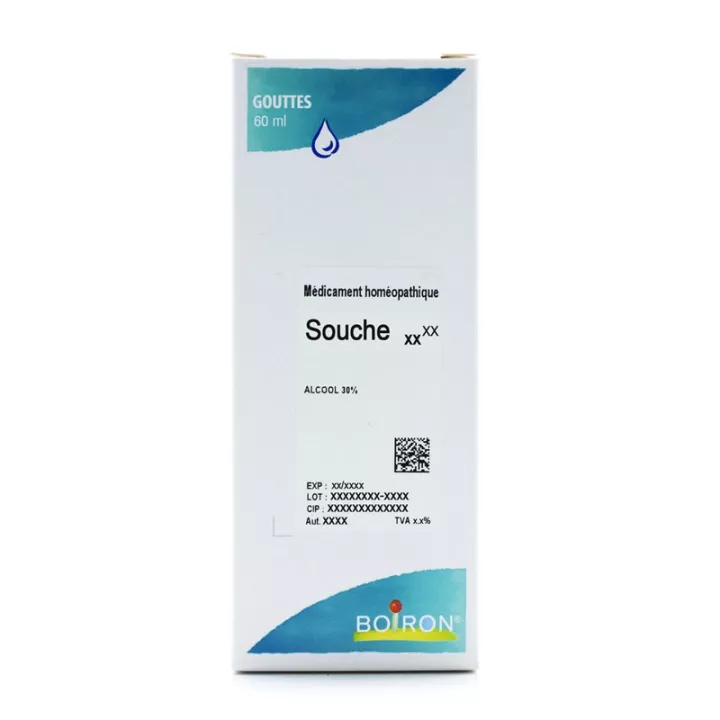


Rheum 5CH, 7CH, 9CH granules and 4DH oral drops—Boiron homeopathic remedies, available for purchase to provide natural relief for gastroenterological conditions (colic episodes caused by teething in infants), at our online pharmacy.

 JALAPA 4CH, 5CH, 7CH, 9CH, 15CH Boiron Homeopathic Granules
Registered medication: EH00850
Source: Plant-based
Rheum officinale: A Plant-Based Homeopathic Remedy to Soothe Teething Discomfort
The teething period in babies is often marked by uncomfortable symptoms for both the child and the parents. In the search for gentle and natural solutions, the homeopathic remedy Rheum officinale proves to be an excellent alternative. Derived from Chinese rhubarb, this homeopathic remedy is recognized for its therapeutic benefits in gastroenterology, particularly in relieving symptoms associated with teething.
Chinese rhubarb, or Rheum officinale, belongs to the Polygonaceae family. This herbaceous plant, native to China, has been used for centuries in traditional medicine for its laxative properties. However, its health benefits extend far beyond this, thanks to its ability to treat various ailments, particularly in the field of gastroenterology.
In homeopathy, Rheum officinale is noted for its effectiveness in treating the unpleasant symptoms of teething. Pediatricians often recommend this remedy to soothe colic and abdominal spasms, which are common in toddlers during this period. Its unique benefit lies in its ability to treat acidic stools, a telltale sign of digestive issues in children who are teething.
Rheum officinale is particularly effective at stopping colic episodes, thereby relieving children of the pain and discomfort associated with abdominal spasms. Its action specifically targets gastrointestinal symptoms, providing rapid and natural relief. Its prescription is tailored to each child’s specific symptoms, allowing for a personalized and gentle approach.
The teething period is often a time of discomfort for toddlers. Faced with irritability and crying, parents seek gentle and effective remedies to soothe their children. Among these solutions, Rheum officinale stands out as a homeopathic alternative of choice for alleviating the symptoms of teething.
Rheum officinale, commonly known as Chinese rhubarb, is a plant with numerous therapeutic benefits. Native to Russia, this herb is known for its laxative properties, but its effectiveness doesn’t stop there. Used in traditional medicine, it offers detoxifying and deworming benefits, proving particularly effective in gastroenterology.
This homeopathic remedy is made from the plant’s roots, thereby making the most of its healing properties.
Homeopathic medicines can be used for a variety of symptoms; therefore, it is not possible to specify the indications and dosage for a particular preparation.
The homeopathic physician selects the appropriate remedy, dilution, and dosage based on the patient’s health condition and characteristic symptoms.
The Rheum officinale remedy is recommended for the treatment of various digestive disorders, particularly diarrhea. It is especially useful for infants, soothing colic and discomfort associated with teething. The symptoms of teething-related diarrhea—such as increased stool frequency, loose stools, nausea, and abdominal pain—are significantly alleviated by its action.
It is important to note the characteristic odor emitted by affected babies: acidic stools, as well as sour breath and sour-smelling vomit—symptoms that Rheum officinale helps control.
Rheum 5CH, 7CH, 9CH: Homeopathy to Soothe Teething and Treat Pediatric Gastroenterological Conditions
A Gentle Remedy for Toddlers
Rheum 5CH, 7CH, 9CH Homeopathic Granules by Boiron is a homeopathic medicine primarily used in infants to relieve teething discomfort. This period is often accompanied by uncomfortable symptoms that make babies fussy and irritable. Explore the benefits of this gentle remedy and discover how it can bring comfort to your little one.
For Teething Symptoms
Teething is an inevitable stage of early childhood, but it can be trying. Rheum 5CH, 7CH, 9CH is here to help. This homeopathic remedy soothes the unpleasant symptoms that often accompany this period, such as irritability, colic, and diarrhea. You can help your baby get through this difficult stage gently.
In Gastroenterology: Relief from Diarrhea and Colic
Infants are often prone to diarrhea and colic during teething. Rheum 5CH, 7CH, 9CH can be a valuable ally during these times. It alleviates gastrointestinal symptoms and brings relief to your baby. When used consistently after each bowel movement, this homeopathic remedy can help restore intestinal comfort.
Evolution of Clinical Signs
Understanding how clinical signs evolve under the influence of Rheum 5CH, 7CH, and 9CH is essential:
They are aggravated by:
They improve:
The dosage is as follows:
Choose Rheum 5CH, 7CH, or 9CH to gently relieve your baby’s teething discomfort and gastrointestinal issues.
Precautions and Dosages
Although Rheum officinale is a natural remedy, parents should remain vigilant regarding the risk of dehydration or persistent symptoms. In these situations, this remedy should be considered a complementary treatment while awaiting evaluation by a healthcare professional.
The recommended dosage for relieving teething-related diarrhea in toddlers is 5 granules of Rheum officinale 9 CH after each bowel movement. To make it easier for babies to take, it is recommended to dissolve the granules in a spoonful of water or mix them into a bottle, ensuring they are fully dissolved before giving it to the child.
For best results, follow these recommendations:
It is recommended that you do not touch the homeopathic granules with your fingers.
Use a mint-free toothpaste (such as Homéodent Boiron, a toothpaste compatible with taking homeopathic granules).
Oral solution in drops. The drops should be diluted in a small amount of water.
These dosages are provided for informational purposes only and may vary depending on the type of medication and the clinical context.
125-ml bottle (2,400 drops)
Usual dosage
Adults: 10 to 15 drops per dose
Children under 12 years of age: 1 drop per year of age; do not exceed 10 drops per dose.
Do not administer without medical advice. 2 to 3 times a day. Oral use
Dilute in a small amount of water. Hold in the mouth for a few moments before swallowing.
For children, allow at least 4 hours between doses.
Discover Rheum 5CH, 7CH, 9CH, the gentle homeopathic remedy to soothe teething in infants and relieve symptoms of pediatric gastroenterology. Help your baby get through these stages with greater comfort and peace of mind.
Rheum, derived from rhubarb root, is traditionally used in homeopathy to treat various digestive disorders. Registered under number EH00850 and listed in the French and European Pharmacopoeias, this plant-based medicine is available in drops (alcohol-based), tubes, and for compounding, offering a range of dilutions for a personalized therapeutic approach.
Rhubarb is known for its laxative and purgative properties, but in homeopathy, Rheum is prepared in such a way as to harness its benefits for the digestive system without causing adverse effects. The treatment aims to improve symptoms of slow digestion and bloating, and may also help regulate bowel movements in young children.
Drops (Alcohol): The remedy is available as alcohol-based oral drops at a 4 DH dilution (125 ml), facilitating easy administration and rapid absorption.
Tubes: Rheum is also available in tubes at dilutions ranging from 4 CH to 15 CH. These different potencies allow for tailored use based on symptom severity and individual sensitivity.
Compounded Preparations: For more precise customization, Rheum can also be compounded in Hahnemannian dilutions starting at 3 CH. This option underscores the importance of the individualized approach in homeopathy.
Rheum is often recommended for:
Contains sucrose.
For granules or alcohol-based drops, dissolve them in 100 ml of water. Since the granules take a long time to dissolve, it is necessary to prepare your mixture in advance.
Homeopathic remedies have no chemical toxicity, no contraindications, no interactions with other medications, and no adverse effects related to the amount ingested. Pregnant women can use them without any known risk to themselves or their unborn child, but it is best to seek advice.
For acute conditions, it is recommended to take homeopathic remedies every hour until symptoms improve. Once symptoms improve, dose intervals should be extended to 3 or 4 times a day, then gradually taper off.
For chronic conditions, remedies in low dilutions (greater than 9CH) are taken 1 to 2 times a day, while constitutional remedies are taken once a week or even once a month. This decision is up to the homeopath.
Certain conditions cannot be treated with homeopathy through self-medication alone. Their severity requires medical advice, which can be provided by a homeopathic physician. This physician will determine whether your condition can be treated with homeopathy alone or whether your treatment needs to be supplemented with allopathic medicine.

 Rhus Toxicodendron 4CH, 5CH, 7CH, 9CH, 15CH, 30CH Boiron Homeopathic Granules