A child’s sleep plays a central role in their physical, cognitive, and emotional development. Growth hormone is released during deep sleep, while REM sleep supports the consolidation of memory and what was learned during the day. Sleep needs vary greatly by age: about 11 to 14 hours for children ages 1 to 2, 10 to 13 hours for ages 3 to 5, and 9 to 11 hours for ages 6 to 12, including naps if applicable. A balanced diet and an adequate intake of vitamins appropriate for the child support this overall development, in addition to quality sleep.
Sleep difficulties in children take various forms: resistance to going to bed, frequent nighttime awakenings, night terrors (occurring early in the night, with no memory upon waking), or nightmares (more common in the second half of the night, with a clear memory). These symptoms are generally temporary and linked to the maturation of the nervous system, a change in routine, or a source of temporary anxiety (starting school, separation, stressful current events). A mild chamomile tea before bedtime is often the first natural remedy recommended for these occasional episodes.
A regular and predictable bedtime routine is the most effective way to help a child prepare for sleep. Here are a few guidelines to follow:
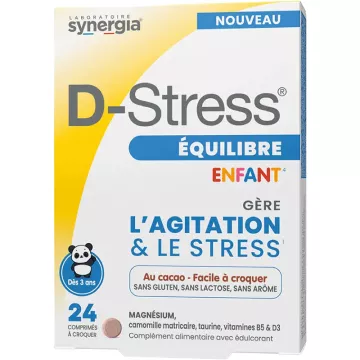
Several plants traditionally used for evening relaxation are suitable for children depending on their age, in the form of herbal tea or an appropriate supplement. Orange blossom is valued for its mild taste and tolerability even for very young children, and works well in combination with the linden mentioned above. Passionflower is generally reserved for older children in cases of significant evening restlessness. Magnesium supports the normal functioning of the nervous system and can be given as a course of treatment when a child exhibits nervousness associated with difficulty falling asleep.
Melatonin as a dietary supplement should not be given to a child without prior medical advice. ANSES has warned of the risks of unmonitored use in children and adolescents, particularly regarding potential effects on pubertal development with prolonged use, as well as possible interactions with other treatments. Only a pediatrician can assess whether occasional use is warranted—particularly in cases of certain documented sleep disorders—and determine the appropriate dosage based on the child’s age.
A consultation is recommended when sleep difficulties persist for more than a few weeks despite a proper bedtime routine, in cases of loud snoring associated with pauses in breathing, marked daytime sleepiness, or very frequent and intense night terrors. This evaluation helps rule out organic causes (sleep apnea, reflux, allergies). You can also find all our advice on children’s health to support their well-being every day.