Why Are Vitamins Essential?
Vitamins are micronutrients that are essential for a child’s development. They play a role in bone growth, brain development, the maturation of the immune system, energy production, and cellular metabolism. The body cannot produce any of them in sufficient quantities; they must be obtained daily through the diet.
Childhood and adolescence are periods of increased nutritional needs: rapid growth, intense activity, learning, and a developing immune system. In the vast majority of cases, a balanced and varied diet meets these needs. Certain specific situations (restrictive diets, rapid growth, winter, recurrent fatigue) may warrant targeted supplementation. Forchildren in general, additional resources are available.
Which essential vitamins should you know about?
Several vitamins play a key role in children’s health:
- Vitamin D: bone growth, calcium absorption, immunity (fatty fish, eggs, moderate sun exposure)
- Vitamin C: immunity, iron absorption, antioxidant (kiwi, citrus fruits, strawberries, bell peppers, parsley)
- B vitamins (B1, B2, B6, B9, B12): energy, nervous system, red blood cell formation (whole grains, legumes, eggs, animal products for B12)
- Vitamin A: vision, skin, growth, immunity (carrots, sweet potatoes, mangoes, egg yolks)
- Vitamin E: antioxidant, cell protection (vegetable oils, nuts, avocado)
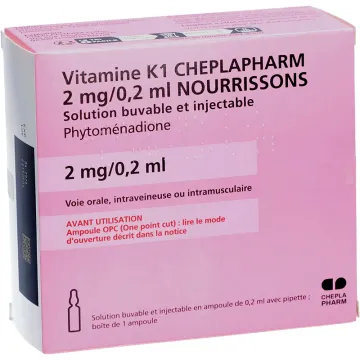
- Vitamin K: blood clotting, bone health (green vegetables, broccoli, cabbage)
Trace minerals complement vitamins: iron (red meat, lentils), zinc (meat, cheese, nuts), calcium (dairy products, mineral water), iodine (fish, seafood), magnesium (legumes, dark chocolate). For vitamin C, vitamin D3, and vitamin A in general, specific sources exist.
Where can you find them in your diet?
Food remains the primary source of vitamins:
- A variety of colorfulfruits and vegetables: 5 servings per day, fresh, frozen, or in compotes with no added sugar
- Whole-grain or partially whole-grain cereals: bread, rice, pasta, and oatmeal, which provide fiber and B vitamins
- Legumes: lentils, chickpeas, beans—rich in plant-based iron, magnesium, and B vitamins
- Dairy products or fortified alternatives: calcium and vitamin D
- Fatty fish 1 to 2 times a week (sardines, mackerel, salmon): omega-3 and vitamin D
- Eggs regularly: complete proteins, fat-soluble vitamins
- Nuts (starting at age 5 to avoid choking hazards): almonds, walnuts, hazelnuts—rich in vitamin E and magnesium
- A variety ofvegetable oils (canola, walnut, olive): omega-3 and vitamin E
Prioritize minimally processed foods and limit ultra-processed products, which are lower in micronutrients. Specific resources are available for introducing solid foods and forinfant nutrition in general.
When is supplementation useful?
Several situations warrant targeted supplementation, as advised by a pediatrician or pharmacist:
- Vitamin D: Routine supplementation for infants (400 to 800 IU/day) and for children in the winter, according to French pediatric recommendations
- Restrictive diets (strict vegetarian, vegan, multiple allergies): personalized assessment, particularly for vitamin B12 in vegan children
- Rapid growth, chronic fatigue, recurrent bouts of low energy
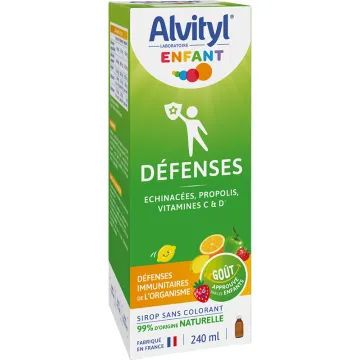
- Winter months: Vitamin C and D supplementation, mild immune boosters
- Intensive athletic training: increased needs for B vitamins, magnesium, and iron in adolescent girls
- Recovery from illness
- Suspected deficiency confirmed by blood tests (iron, vitamin D, B12)
Prolonged self-supplementation without medical advice should be avoided: risk of overdose, particularly for fat-soluble vitamins (A, D, E, K) that accumulate in the body. For vitamin B12, iron, and calcium in general, specific resources are available.
How to Choose the Right Supplement?
Several criteria guide the choice of a pediatric vitamin supplement:
- Dosage appropriate for the child’s age, in accordance with official nutritional recommendations
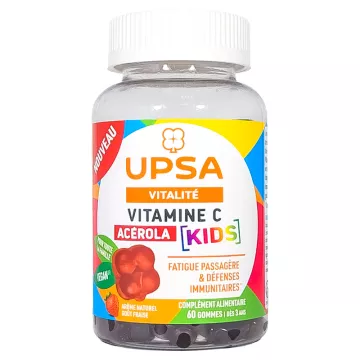
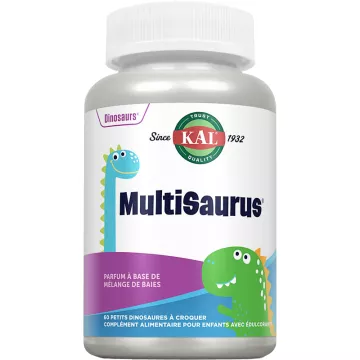
- A dosage form that the child can tolerate: drops, syrup, chewable gum, or chewable tablet
- Free of excess sugar or sweeteners, and free of artificial colors
- Alcohol-free, gluten-free, and lactose-free if necessary
- Forms that are easily absorbed: citrate or bisglycinate for magnesium, chelated non-heme iron to minimize digestive upset
- Coherent combinations: balanced multivitamins rather than a combination of multiple products
- Systematicconsultation with a pharmacist before purchase
Chewable tablets often make it easier to take the medication but must be treated as drugs and strictly adhered to at the prescribed doses (risk of overdose if the child consumes several). The packaging must always be kept out of reach of young children. For zinc, magnesium, and omega-3s in general, specific resources are available.
When should you consult a healthcare professional?
Several situations warrant a pediatric consultation:
- Persistent fatigue, pallor, or unusual loss of energy
- Interruption in the growth curve, delayed height and weight gain
- Recurrent infections, delayed wound healing
- Suspected food allergy or unbalanced diet
- Special diets (vegetarian, vegan, medically restrictive)
- Before starting any long-term or multiple supplementation
- Symptoms suggestive of deficiency (pronounced dark circles under the eyes, dry skin, hair loss, brittle nails)
- Regular pediatric follow-up as part of the child’s health record
The pediatrician may order targeted blood tests if there is any doubt (ferritin, vitamin D, B12, complete blood count). Your pharmacist remains a valuable resource for helping you choose a vitamin supplement appropriate for your child’s age and for identifying situations that require medical advice, in addition to regular pediatric follow-up. Specific resources are available to help strengthen natural immunity in general.