0
Menu
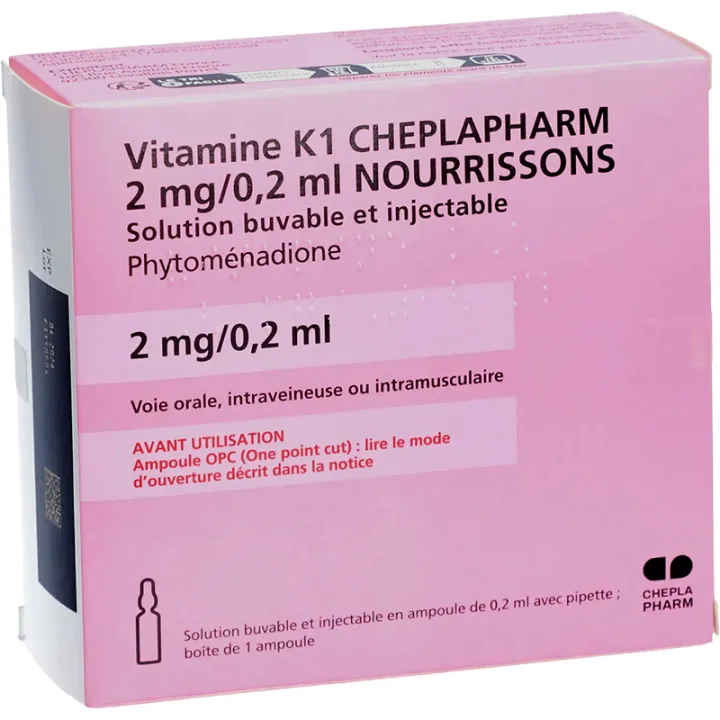
Vitamin K1 Cheplapharm 2mg/0,2ml Infants 1 Ampoule
Over-the-counter medication

Vitamin K1 Cheplapharm 2mg/0,2ml Infants 1 Ampoule

Brand : OCP OCP

Vitamin K1 Cheplapharm 2mg/0.2ml Nourrissons helps prevent and treat bleeding associated with vitamin K deficiency in infants. Oral or injectable solution, suitable from birth.

€9.62 EXCL. VAT €9.82 INCL. VAT
In stock Shipped within 24h Secure payment
Reference : 3400930122303
You must be logged in to add this product to a list. Customer login
See delivery conditions

Our doctors of pharmacy advise you

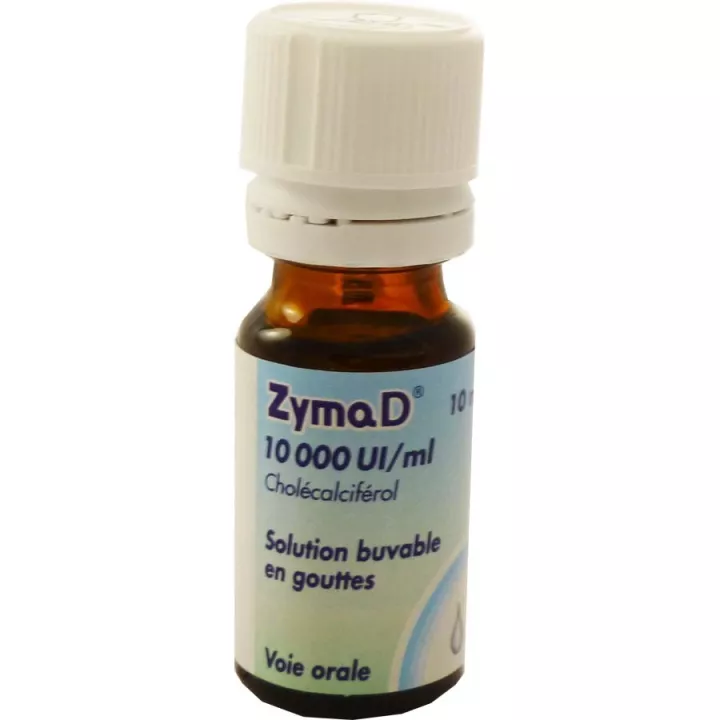
ZYMAD 10 000 IU/ml Oral solution in dropper bottle ZYMAD 10 000 IU/ml Oral solution in dropper bottle
€3.99
Shipped within 24h
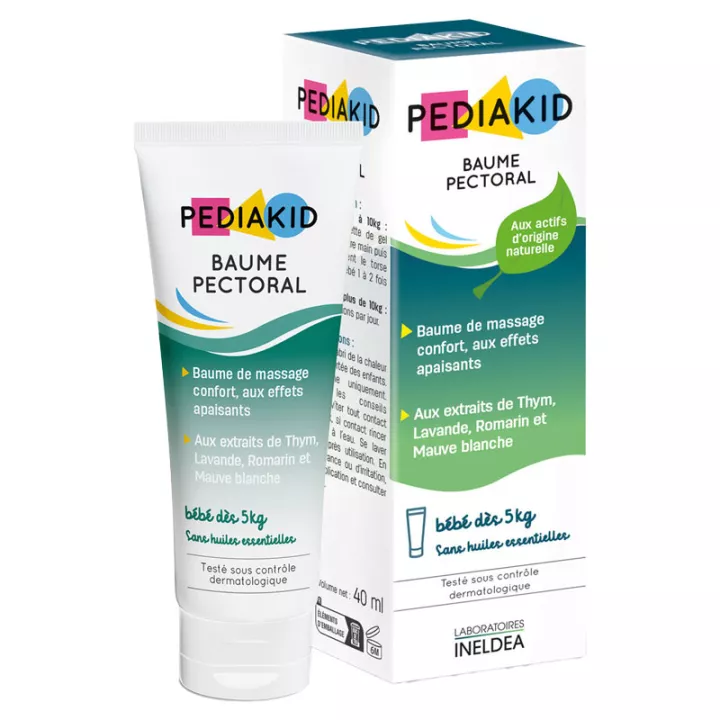
Ineldea Pediakid Chest Balm Baby 40 ml Ineldea Pediakid Chest Balm Baby 40 ml
€8.49
Shipped within 24h
Pediakid Colicillus Bébé - probiotics 10 ml Pediakid Colicillus Bébé - probiotics 10 ml
€12.99
Shipped within 24h
Alvityl Vitalité 11 Vitamines Solution Buvable 150 ml -€2.00 Alvityl Vitalité 11 Vitamines Solution Buvable 150 ml
€10.99 €12.99
Shipped within 24h
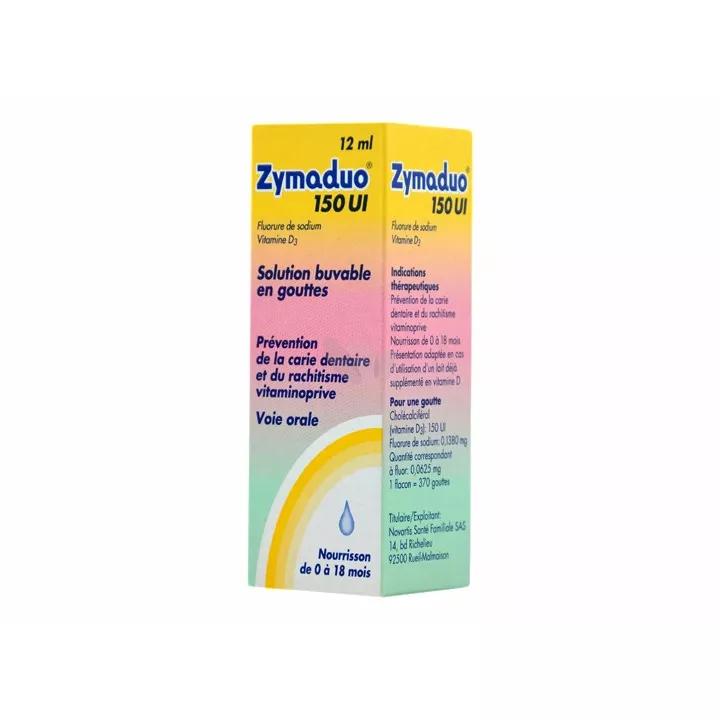
ZYMADUO 150 UI ORAL SOLUTION 12 ML BOTTLE ZYMADUO 150 UI ORAL SOLUTION 12 ML BOTTLE
€3.99
Add to cart
Shipped within 24h
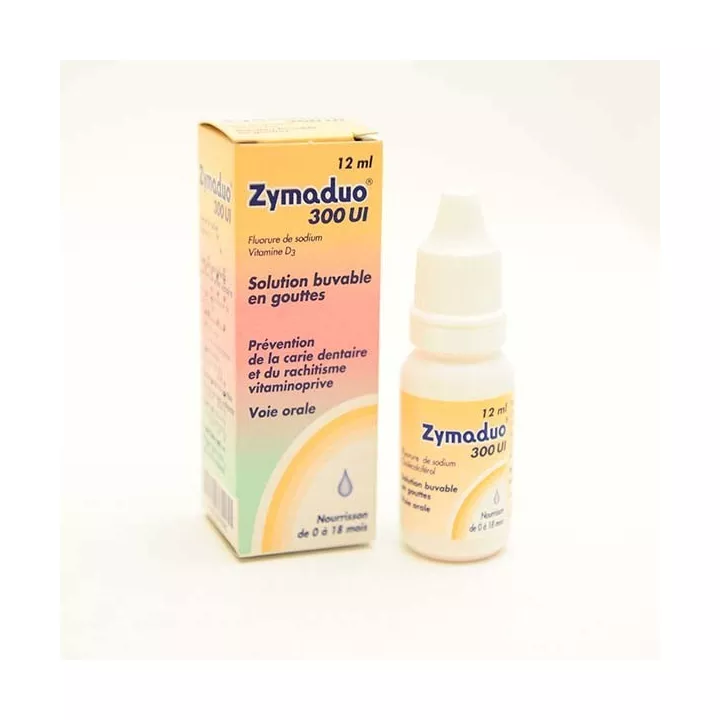
ZYMADUO 300 UI ORAL SOLUTION 12 ML BOTTLE ZYMADUO 300 UI ORAL SOLUTION 12 ML BOTTLE
€3.99
Add to cart
Shipped within 24h
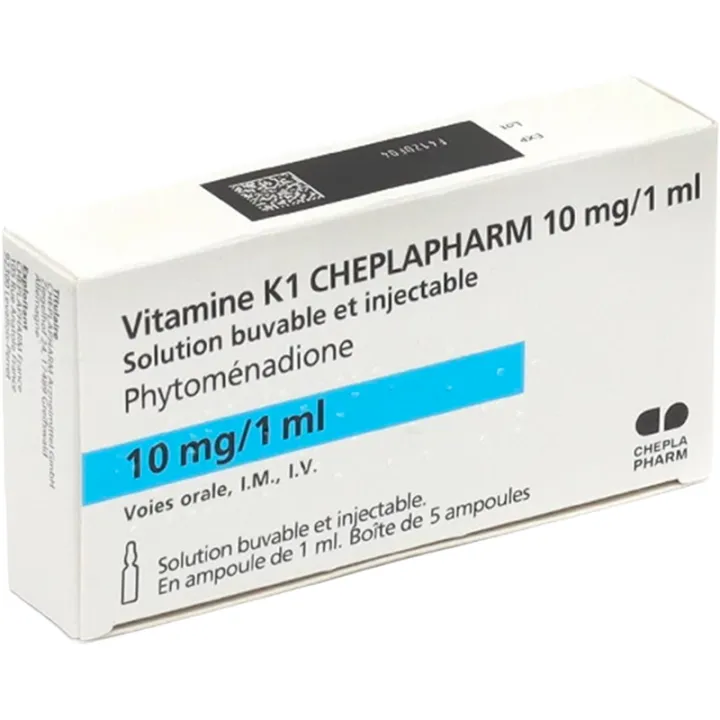
Vitamin K1 Cheplapharm 10mg/1ml 5 phials Vitamin K1 Cheplapharm 10mg/1ml 5 phials
€9.82
Add to cart
Replenishment in progress

When should Vitamine K1 Cheplapharm 2mg/0.2ml Nourrissons be used to prevent bleeding in infants?

At birth, your baby's body must quickly adapt to a totally new environment. Among the many physiological adjustments, the ability to coagulate blood properly plays an essential role. However, newborns' natural vitamin K1 reserves are low, which can weaken this mechanism. Vitamin K1 Cheplapharm 2mg/0.2ml Nourrissons supports this delicate period by providing targeted support for this still immature system.

Vitamin K1 acts like a key, enabling the liver to activate several factors essential to coagulation. Without this key, the door remains ajar, and the risk of bleeding increases. By providing this vitamin from the very first days of life, this medication helps prevent hemorrhaging and establish a more stable coagulation system, comparable to putting a guardrail around a bridge that's still under construction.

This support is particularly important for breast-fed infants, as breast milk naturally contains little vitamin K. In this context, phytomenadione helps support the balance of coagulation and the harmonious development of the liver functions involved in this process.

Vitamin K1 Cheplapharm 2mg/0.2ml Infants also helps when signs of deficiency are identified, or when certain factors increase the risk of bleeding, such as prematurity or particular medical situations. It helps reinforce the body's natural protection against abnormal blood loss.

It can be seen as a small, discreet but essential safety reserve. By reinforcing the infant's natural reserves, it promotes normal coagulation and helps lay a solid foundation for the first few months of life.

For warnings, precautions for use and contraindications, please refer to the Vitamine K1 Cheplapharm 2mg/0.2ml Nourrissons leaflet.

In a global approach to prevention, the combination with ZYMAD 10,000 IU/ml Oral Solution in dropper bottle may be relevant, as vitamin D supports bone and immune development, creating a synergy beneficial to the infant's growth and overall balance.

How to use this antihaemorrhagic medicine?

Instructions for use

Vitamin K1 Cheplapharm 2mg/0.2ml Infants can be administered orally or by injection, depending on the clinical situation and medical recommendations.
In full-term newborns, prevention is based either on a single injection at birth, or on an oral regimen of several doses spread over the first month.
For premature babies or infants at particular risk, administration is generally by injection, with adapted doses.
Use a graduated pipette to measure the dose precisely during oral administration.

Give your opinion on the advice for use and dosage of Vitamine K1 Cheplapharm 2mg/0,2ml Nourrissons with our partner Avis Vérifiés after your purchase.

Precautions

  • Do not use in case of known allergy to phytomenadione or any of its components.
  • Do not use if allergic to peanuts or soy.
  • Inform healthcare professional in case of G6PD deficiency.
  • Do not use if solution is cloudy or has two phases.
  • Strictly follow the administration instructions given by your doctor or pharmacist.

What is the composition of this antihaemorrhagic drug for the prevention of bleeding?

Phytomenadione 2.00 mg, Glycocholic Acid, Soya Lecithin, 25% Hydrochloric Acid, Sodium Hydroxide, Water for Injection. (According to a 0.2 ml ampoule)

Presentation :

Box containing 1 ampoule of 0.2 ml and 1 pipette. Available at the best price from our online pharmacy.

Our expert advice on Vitamin K1 Cheplapharm 2mg/0,2ml Infants for the prevention of bleeding

The early administration of vitamin K1 is a simple but crucial preventive measure for infants. Adhering to the suggested regimens, and checking for regurgitation after oral administration, optimizes the efficacy of the treatment and ensures safety at this key stage of life.

FAQ

Why is vitamin K1 essential for newborns?
Because their natural reserves are low at birth, and this vitamin is necessary for the production of coagulation factors.

Is vitamin K1 compatible with breastfeeding?
Yes, and it is particularly important for breast-fed infants, as breast milk is low in vitamin K.

What should I do if my baby spits out the oral dose?
Contact your doctor or pharmacist to assess the best course of action.

Pharmacovigilance Report an adverse drug reaction(s)

Download PDF leaflet

NOTICE

ANSM - Updated on : 22/04/2025

Product name

VITAMIN K1 CHEPLAPHARM 2 mg/0.2 ml NOURRISSONS, oral and injectable solution.

Phytomenadione

Sidebar

Please read this leaflet carefully before using this medicine, as it contains important information for you.

Always use this medicine exactly as your doctor or pharmacist has instructed you.

- Keep this leaflet. You may need to read it again.

- Ask your pharmacist for any advice or information you may need.

- If you experience any side effects, talk to your doctor or pharmacist. This also applies to any side effects not mentioned in this leaflet. See section 4.

- You should contact your doctor if you do not feel any improvement or if you feel less well.

What does this leaflet contain?

1. What is VITAMIN K1 CHEPLAPHARM 2 mg/0.2 ml NOURRISSONS, oral and injectable solution and what is it used for?

2. What do I need to know before taking VITAMIN K1 CHEPLAPHARM 2 mg/0.2 ml NOURRISSONS, solution buvable et injectable?

3. How should VITAMIN K1 CHEPLAPHARM 2 mg/0.2 ml NOURRISSONS be taken?

4. What are the possible side effects?

5. How to store VITAMIN K1 CHEPLAPHARM 2 mg/0.2 ml NOURRISSONS, solution for human consumption and injection?

6. Package contents and other information.

1. WHAT IS VITAMIN K1 CHEPLAPHARM 2 mg/0.2 ml NOURRISSONS, solution for drinking and injection AND WHAT IS IT USED FOR?

VITAMIN K1 CHEPLAPHARM 2 mg/0.2 ml NOURRISSONS, solution buvable et injectable is a drug belonging to the antihaemorrhagic family.

The active substance is vitamin K1 (also known as phytomenadione), a protein naturally present in the body. Vitamin K1 is essential for the liver's synthesis of a number of blood coagulation factors, ensuring normal blood coagulation and preventing prolonged bleeding.

This medicine is used to compensate for vitamin K1 deficiency and thus prevent and treat bleeding in newborns.

2. WHAT DO I HAVE TO KNOW BEFORE TAKING VITAMIN K1 CHEPLAPHARM 2 mg/0.2 ml NOURRISSONS, solution for injection and drinking?

Never use VITAMIN K1 CHEPLAPHARM 2 mg/0.2 ml NOURRISSONS, oral and injectable solution:

- if your child is allergic (hypersensitive) to the active substance (phytomenadione) or to any of the other components of this medicine, as listed in section 6.

- if you are allergic to larachide or soy, due to the presence of soy lecithin.

If in doubt, ask your doctor or pharmacist.

Warnings and precautions

Talk to your doctor or pharmacist before using VITAMIN K1 CHEPLAPHARM 2 mg/0.2 ml NOURRISSONS.

You should inform your doctor if your child (or a member of your family) suffers from Glucose-6-Phosphate Dehydrogenase deficiency, as there is a risk of hemolysis (destruction of red blood cells) with vitamin K1.

Other medicinal products and VITAMIN K1 CHEPLAPHARM 2 mg/0.2 ml NOURRISSONS, oral and injectable solution

Tell your doctor or pharmacist if you are taking, have recently taken or may take any other medicines.

Pregnancy and breast-feeding

Ask your doctor or pharmacist for advice before taking any medicine.

Driving and using machines

Vitamin K1 has no or negligible effect on the ability to drive and use machines.

VITAMIN K1 CHEPLAPHARM 2 mg/0.2 ml NOURRISSONS, oral and injectable solution contains sodium and soya lecithin.

This medicine contains less than 1 mmol (23 mg) sodium per ampoule (0.53 mg sodium per 0.2 ml ampoule), i.e. it is essentially "sodium-free".

If you are allergic to larachide or soy, do not use this medicine (see section 2 "Never use VITAMIN K1 CHEPLAPHARM 2 mg/0.2 ml NOURRISSONS, solution for injection and drinking").

3. HOW SHOULD VITAMIN K1 CHEPLAPHARM 2 mg/0.2 ml NOURRISSONS be taken?

Dosage

VITAMIN K1 CHEPLAPHARM 2 mg/0.2 ml NOURRISSONS, solution buvable et injectable may be given to your child by injection into a vein or muscle, or orally. The administration of VITAMIN K1 CHEPLAPHARM 2 mg/0.2 ml NOURRISSONS, solution for drinking and injection, will depend on how the medicine is used and whether your baby was born prematurely.

Prevention of vitamin K deficiency hemorrhagic disease in infants

Healthy newborns born at or near term

These newborns should receive either :

- a single injection (1 mg) at birth or shortly thereafter, or

- a first dose of 2 mg orally at birth or shortly thereafter, followed by a second dose of 2 mg between days4 and 7, and a third dose of 2 mg 1 month later. The third oral dose may be omitted for newborns exclusively breast-fed on artificial milk.

Premature or full-term babies at special risk of bleeding:

- these babies should receive VITAMIN K1 CHEPLAPHARM 2 mg/0.2 ml NOURRISSONS, solution for drinking and injection by injection at birth or shortly thereafter

- additional injections will be given later if your baby is still at risk of bleeding.

Additional doses:

- babies receiving oral vitamin K and breastfed exclusively with breast milk (i.e. non-formula milk) may receive additional doses of oral vitamin K.

- formula-fed babies receiving two doses of oral vitamin K do not require additional vitamin K doses. This is due to the presence of vitamin K in formula milk.

Treatment of haemorrhagic diseases of infants due to vitamin K deficiency1 :

Your doctor will decide on the dosage and rate of administration.

The drug is administered into a muscle (intramuscular route) or as a slow infusion into a vein (intravenous route).

Method and route of administration

This drug can be administered orally or by injection (into a muscle or vein).

In all cases, do not use this drug if the contents of the ampoule have become cloudy or show two phases of separation.

If administered orally:

- use the graduated pipette in the pack to measure the dose,

- the mg graduations (1 mg and 2 mg) on the body of the pipette are used to measure the amount of Vitamin K1 to be administered,

- VITAMIN K1 CHEPLAPHARM 2 mg/0.2 ml NOURRISSONS ampoules contain a very small volume of solution (0.2 ml). You must therefore ensure that no solution is present in the neck of the bottle.

Proceed as follows

- break the neck of the bulb, then insert the pipette into the bulb so that it dips into the solution,

- Aspirate the entire solution by pulling on the pipette plunger to obtain the required dose of 2 mg,

- empty the contents of the pipette directly into the child's mouth,

- check that the child does not regurgitate the medication when taking it, or in the hours that follow,

- if your child regurgitates the medicine, contact your doctor or pharmacist.

If this drug is administered by injection:

A healthcare professional will prepare and administer this medication to your child:

- either into a muscle (intramuscular route),

- or by slow infusion into a vein (intravenous route).

VITAMIN K1 CHEPLAPHARM 2 mg/0.2 ml NOURRISSONS, solution for drinking and injection must not be mixed with other parenteral medications, but may be injected into the lower part of an infusion set. Vitamin K1 can be administered undiluted to newborns weighing 2.5 kg or more. For neonates weighing less than 2.5 kg, adjusted volumes of solution diluted 1:5 OR 1:10 in 5% glucose may be administered.

How to open OPC (One point cut) ampoules

Caution: Open ampoule with a compress (or equivalent).

image002.jpg

Tap the head of the ampoule to release the liquid (make sure no solution remains in the upper part of the ampoule).

image003.jpg

Hold the body of the lampoule firmly in one hand, with the white dot on the head facing you.

image004.jpg

With the other, cover the lampoule head with the compress, placing your thumb on the compress at the white spot.

image005.jpg

Break lampoule with a sharp blow, exerting pressure towards the back (in the opposite direction to the white spot).

Do not force. If there is resistance to opening, replace the thumb as indicated above. Excessive pressure in the event of mishandling may cause the bulb to open incorrectly, resulting in broken glass and the risk of cuts.

DO NOT ADMINISTER THIS PRODUCT IF IT DOES NOT OPEN FULLY (broken glass).

If you have used more VITAMIN K1 CHEPLAPHARM 2 mg/0.2 ml NOURRISSONS than you should have

Consult your doctor immediately.

If you forget to use VITAMIN K1 CHEPLAPHARM 2 mg/0.2 ml NOURRISSONS, solution for oral and injection use

Do not take a double dose to make up for the single dose you forgot to take.

Contact your doctor immediately.

If you stop taking VITAMIN K1 CHEPLAPHARM 2 mg/0.2 ml NOURRISSONS, solution for drinking and injection

Not applicable.

4. WHAT ARE THE POSSIBLE SIDE EFFECTS?

Like all medicines, this product may cause undesirable effects, but they do not occur systematically in everyone.

The following side effects may occur if your child receives this drug in a muscle:

- a risk of bruising (hematoma) or bleeding,

- exceptionally, thickening of the skin where the drug was injected.

The following side effects may occur if your child receives this medication in a vein:

- allergic reactions such as:

o skin rashes, itching, hives (sensation resembling a nettle sting),

o and, exceptionally, angioedema (sudden swelling of the neck and face that can make it difficult to breathe),

o or life-threatening anaphylactic shock (sudden malaise with a sharp drop in blood pressure).

If any of these effects occur, you must stop taking this medicine immediately and tell a doctor.

Reporting side effects

If you experience any side effects, please tell your doctor or pharmacist. This also applies to any side effects not mentioned in this leaflet. You can also report adverse reactions directly via the national reporting system: Agence nationale de sécurité du médicament et des produits de santé (ANSM) and the network of Centres Régionaux de Pharmacovigilance - Website: https://signalement.social-sante.gouv.fr/.

By reporting adverse reactions, you are helping to provide more information on drug safety.

5. HOW TO CONSERVE VITAMIN K1 CHEPLAPHARM 2 mg/0.2 ml NOURRISSONS, solution for human consumption and injection?

Keep out of sight and reach of children.

Do not use this medicine after the expiration date indicated on the box. The expiry date refers to the last day of the month.

Store at a temperature not exceeding 25°C, protected from light.

Use the product or diluted solution immediately after preparation. Any unused medication (solution or dilution) or waste must be disposed of immediately in accordance with current regulations.

Do not dispose of any medication in the sewage or household waste. Ask your pharmacist to dispose of any medicines you no longer use. These measures will help protect the environment.

6. CONTENTS AND OTHER INFORMATION

What VITAMIN K1 CHEPLAPHARM 2 mg/0.2 ml NOURRISSONS, oral and injectable solution, contains

- The active substance is :

Phytomenadione........................................................................................................... 2.00 mg

For one 0.2 ml ampoule

- The other components are :

Glycocholic acid, soy lecithin, 25% hydrochloric acid, sodium hydroxide, water for injection.

What VITAMIN K1 CHEPLAPHARM 2 mg/0.2 ml NOURRISSONS is and what it contains

This medicine is available as an oral and injectable solution.

Each box contains :

- 1 ampoule of 0.2 ml and 1 pipette

- 5 ampoules of 0.2 ml and 5 pipettes,

- 6 ampoules of 0.2 ml and 1 pipette,

- 30 ampoules of 0.2 ml and 1 pipette.

Not all presentations may be marketed.

Marketing authorization holder

CHEPLAPHARM ARZNEIMITTEL GMBH

ZIEGELHOF 24

17489 GREIFSWALD

GERMANY

Marketing authorization holder

Cheplapharm France

68 Rue Marjolin

92300 Levallois-Perret

Manufacturer

CHEPLAPHARM ARZNEIMITTEL GMBH

zIEGELHOF 23-24

17489 GREIFSWALD

GERMANY

Product names in member states of the European Economic Area

Not applicable.

The last date on which this leaflet was revised was :

[to be completed subsequently by the holder]

< {MM/YYYY}>< {month/YYYY}.>

Other

Detailed information on this drug is available on the ANSM (France) website.

VIDAL DE LA FAMILLE

VITAMIN K1 CHEPLAPHARM

Updated on June 20, 2019
Drug family : Antihaemorrhagic

Indications

This medicine contains natural vitamin K1. This vitamin is involved in the formation of blood clots, enabling the body to fight haemorrhage. It is normally supplied by the diet, and deficiencies only occur in very specific situations: intestinal disease which reduces its absorption, prolonged use of certain powerful antibiotics, use of oral anticoagulants.

It is used in the treatment and prevention of haemorrhage in newborns and haemorrhage caused by vitamin K deficiency (due to certain drugs or intestinal disease).

Presentations

VITAMIN K1 CHEPLAPHARM 2 mg/0.2 ml infant: solution for drinking and injection; box of 1 ampoule of 0.2 ml and 1 pipette graduated at 1 mg and 2 mg
Optional prescription - 65% reimbursable - Price: € 5.06
VITAMIN K1 CHEPLAPHARM 10 mg/ml: oral and injectable solution; box of 5 x 1 ml ampoules
Optional prescription - 65% reimbursable - Price: €4.99

Prices do not include dispensing fees.

Composition

p ampp amp
Phytomenadione (vitamin K1)2 mg10 mg
Soy lecithin++

Warning

Do not use without medical advice.

Precautions should be taken in cases of G6PD deficiency.

Drug interactions

Inform your doctor if you are taking an oral anticoagulant.

Fertility, pregnancy and breast-feeding

This product does not contain any substance known to be toxic during pregnancy or breast-feeding, but should not be used without medical advice.

Directions for use and dosage

This drug may be administered orally or by injection (intramuscular or intravenous).

For oral administration: use the pipette supplied with the ampoule for the 2mg/0.2ml solution, or a syringe with needle for the 10mg/ml solution. Break the neck of the ampoule and draw up the solution with the pipette or syringe. The contents of the pipette are emptied directly into the mouth. If using a syringe, remove the needle before emptying the contents into the mouth.

If administered by injection: the solution must not be mixed with other drugs.

Usual dosage :

2 mg/0.2 ml solution:
  • Neonates:
    • healthy newborns (with no known risk of bleeding): 1 dose of 1 mg by injection at birth, or 1 dose of 2 mg orally at birth, to be repeated once between days4 and 7, and a second time at 1 month of age (the3rd dose is not necessary for exclusively bottle-fed babies);
    • at-risk newborns and premature babies weighing over 2.5 kg: 1 dose of 1 mg by injection at birth. Subsequent doses are determined according to coagulation.
    • premature babies under 2.5 kg: 1 dose by injection at birth. The quantity injected depends on the child's weight. Subsequent doses are determined according to coagulation.
10 mg/ml solution:
  • Adults:
    • 1 to 5 ampoules per day, depending on the severity of vitamin K deficiency;
    • in expectant mothers treated with enzyme inducers, to prevent hemorrhage in the newborn: 1 to 2 vials per day for 15 days prior to the expected date of delivery.

Advice

In the event of regurgitation by the infant at the time of intake or in the hours following, an additional dose should be administered. Ask your doctor for advice.

Protect from light.

Possible side effects

Allergic reaction due to the presence of soy lecithin.

In case of intramuscular (IM) injection: risk of hematoma or bleeding at the injection site.

In case of intravenous injection: allergic reaction (rash, angioedema, etc.).

LEXICON

antibiotic

Substance capable of blocking the multiplication of certain bacteria or killing them. The spectrum of an antibiotic is the set of bacteria on which the product is usually active. Unlike bacteria, viruses are not sensitive to antibiotics. The first antibiotics were extracted from fungal cultures: penicillium (penicillin), streptomyces (streptomycin). Today, they are produced by chemical synthesis. Antibiotics are divided into families: penicillins, cephalosporins, macrolides, tetracyclines (cyclins), sulfonamides, aminoglycosides, lincosanides, phenicoles, polymyxins, quinolones, imidazoles and others.

Inappropriate use of antibiotics can encourage the emergence of resistance: use antibiotics only when prescribed by a doctor, respect their dosage and duration, and do not give or advise another person to take an antibiotic you have been prescribed.

See article: Antibiotic families

anticoagulant

A drug that prevents blood from clotting, thus preventing the formation of clots in blood vessels.
Anticoagulants are mainly used to treat or prevent phlebitis and pulmonary embolism, particularly after surgery. They are also used to prevent the formation of clots in the heart during rhythm disorders such as atrial fibrillation, or in patients with artificial heart valves.
There are three categories of anticoagulants:

  • direct oral anticoagulants (DOACs), which specifically block certain enzymes involved in coagulation, such as thrombin or factor Xa. Their use usually requires no blood monitoring.
  • anti-vitamin K (AVK) drugs, which block the action of vitamin K, and whose effectiveness must be regularly monitored by a blood test known as INR.
  • injectable anticoagulants, derived from heparin. Their use requires regular measurement of blood platelets.

Anticoagulants should not be confused with antiaggregants such as aspirin, which fight blood clots by a different mechanism and do not have the same indications.

See article: Anticoagulant treatments

deficiency

Deficiency usually involving nutrients, vitamins, minerals, etc. A diversified diet is the best way to prevent deficiencies.

rash

Appearance of pimples or patches on the skin. These lesions may be caused by food or medication, and may reflect an allergy or toxic effect. Many viruses can also cause rashes: rubella, roseola and measles are the best known.

G6PD

Abbreviation for glucose-6-phosphate dehydrogenase, an enzyme normally present in red blood cells. Its congenital absence (deficiency) is responsible for a disease called favism; it prohibits the use of certain drugs.

hematoma

Abnormal accumulation of blood inside the body.

See article: Hematoma and ecchymosis

hemorrhage

Loss of blood from an artery or vein. A hemorrhage can be external or internal and go unnoticed.

IM

Abbreviation for intramuscular.

enzyme inducer

The liver, the body's chemical factory, is responsible for the elimination or destruction of many drugs.

Certain substances stimulate the hepatic enzymes that perform this elimination function. These substances are enzyme inducers, and their consumption can reduce the blood concentration of drugs sensitive to their action, diminishing or even canceling their effect. Increasing the dosage of the drug in question can often compensate for the effect of taking an enzyme inducer, but the risk of ineffectiveness sometimes leads us to advise against combining them. This is the case with oral contraceptives ("pills"), which may lose their efficacy if combined with regular use of an enzyme inducer.

The risk is mentioned in the Drug Interactions section when a drug's action is likely to be significantly altered by the intake of an enzyme inducer.

The main enzyme inducers are generally drugs themselves:

  • anti-epileptics (anticonvulsants): carbamazepine, phenobarbital, phenytoin, primidone ;
  • anti-tuberculosis: rifabutin, rifampicin;
  • antifungal: griseofulvin.

Other substances may have an enzyme-inducing effect:

  • St. John's wort, a plant contained in certain preparations;
  • tobacco and alcohol.
intramuscular

Injection of a drug into a muscle, usually in the buttock. The effect of the drug, which only gradually enters the bloodstream, is delayed but prolonged. The skin must be disinfected beforehand, as this deep injection exposes it to the risk of abscess. Painful injections depend above all on the nature of the product used. This route of administration is contraindicated for haemophiliacs and people on anticoagulant therapy, as it exposes them to the risk of buttock haematoma.

Abbreviation: IM.

intravenous

Injection of a drug into a vein, usually at the elbow, after disinfecting the skin. In the case of direct intravenous injection using a syringe, the effect of the medication is immediate but brief. Infusion, on the other hand, enables continuous, controlled administration of the active substance, diluted in a vial of serum.

Abbreviation: IV.

soy lecithin

Lecithins are lipids (fats) which have the particularity of allowing the mixing of fats and water (forming an emulsion). For example, egg yolk is essentially composed of lecithins, whose properties are put to good use in making mayonnaise. Lecithin extracted from soya (E422) is used as an excipient (a component with no therapeutic activity) in certain medicines. Some people are allergic to lecithins (including those in egg yolks) and may react to those contained in these medications.

infant

Child aged between one and 30 months. A child less than one month old is a newborn.

newborn

A child less than one month old.

Quincke

Allergic reaction generally affecting the face. Quincke's edema is characterized by swelling that can be spectacular. The eyelids are often the first to be affected. In rare cases, when the swelling reaches the throat, respiratory problems may occur and urgent treatment is required.

allergic reaction

Reaction caused by the body's hypersensitivity to a drug. Allergic reactions can take a variety of forms: urticaria, angioedema, eczema, measles-like rash and so on. Anaphylactic shock is a generalized allergic reaction that causes a sudden drop in blood pressure.

See article: Can you be allergic to drugs?

vitamin

A substance essential for growth and proper functioning of the body. Vitamin requirements are normally covered by a varied diet. In developed countries, only vitamin D deficiency in young children or elderly people with little exposure to sunlight justifies systematic supplementation. Intake in excess of requirements, particularly through medication, can lead to overdosage and various disorders (mainly vitamins A and D).

See article: Vitamins.

route
  • The route used to administer drugs: oral, sublingual, subcutaneous, intramuscular, intravenous, intradermal, transdermal.
  • A set of hollow organs through which air (respiratory tract), food (digestive tract), urine (urinary tract), bile (biliary tract), etc. can pass.

Advice from our naturopaths

Homeopathy and baby's sleep: peaceful nights naturally Homeopathy and baby's sleep: peaceful nights naturally

A baby who sleeps well is a family who can breathe. A toddler's sleep alternates between slow phases (≈ 70 min/cycle), which are restorative for the body and secrete growth hormone, and paradoxical phases (≈ 20 min), which are essential for memory and brain maturation, with high needs in the first few months (around 17 h of sleep) then decreasing…

Read the article on the blog
Everything you need to know about homeopathy to relieve baby's cold Everything you need to know about homeopathy to relieve baby's cold

The common cold is almost always part of a baby's daily routine: it interferes with breathing, disrupts sleep and affects the child's general comfort. Homeopathy offers an approach that many parents prefer, as it offers non-toxic remedies based on the individual symptoms of each baby. The aim of this method is to stimulate the body's natural self-healing mechanisms. In this…

Read the article on the blog
Constipation in babies: how can homeopathy really help? Constipation in babies: how can homeopathy really help?

Constipation in babies is common. Most of the time it is benign, but it quickly causes concern among parents. Homeopathy can provide support, in addition to paediatric monitoring and validated treatments such as osmotic laxatives. When do we talk about constipation in babies? Constipation occurs when bowel movements become infrequent, hard, dry and difficult to pass. They can also take…

Read the article on the blog
Natural Health Advice