What are the benefits of breastfeeding for baby and mom?
Breastfeeding, which the WHO recommends exclusively until 6 months of age, offers numerous documented benefits:
For the baby:
- Complete nutritional coverage tailored to each stage
- Maternal antibodies (secretory IgA) that support the infant’s immune system
- Easier digestion thanks to its natural composition
- Reduced risk of respiratory infections, gastroenteritis, and ear infections
- Studies suggesta protective effect against childhood obesity and certain allergies
- Supports cognitive and sensorydevelopment
For the mother:
- Strengthens the mother-childbond through skin-to-skin contact
- Faster return of the uterus to its original size (oxytocin)
- Benefits associated with a reduced risk of certain cancers (breast, ovarian) according to studies
- Supports a gradual return to pre-pregnancy weight
- Hasa calming effect on hormones during the postpartum period
For new mothers, breastfeeding is part of a holistic approach to the postpartum period.
How should you adjust your diet while breastfeeding?
A mother’s diet directly influences the quality of lactation:
- Increase caloric intake by 400 to 500 kcal/day
- Increasedhydration: 2 to 2.5 liters of water per day
- A variety of protein sources: meat, fish, eggs, and legumes
- Sources of calcium: dairy products, green vegetables, mineral water
- Iron intake to replenish postpartum reserves
- Omega-3 (DHA): fatty fish twice a week or supplements
- Vitamin D is often recommended by a doctor
- Iodine: iodized salt, fish, and seafood
- Avoid alcohol; limit caffeine (max 200 mg/day)
- Limit ultra-processed foods and fish with high mercury levels
For appropriate supplementation, ask your pharmacist for advice: our pregnancy dietary supplement section also covers the breastfeeding period.
What are some common challenges, and how can they be overcome?
Several common difficulties may arise, along with appropriate solutions:
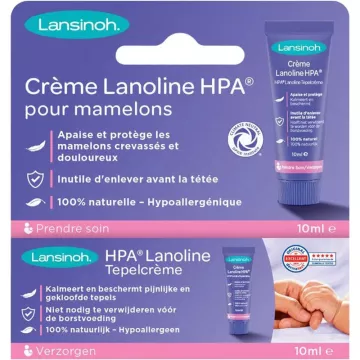
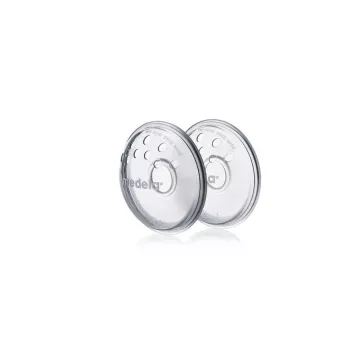
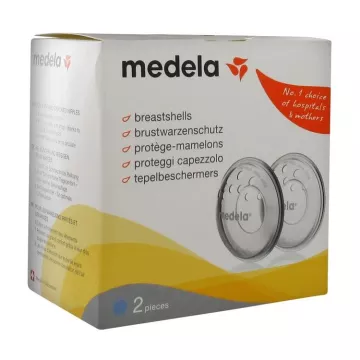
- Cracked nipples: nipple pain, often caused by improper latch. Solutions: adjust your position, use pure lanolin balm, or apply hydrogel compresses
- Engorgement: hard, tight, painful breasts. Frequent feedings, manual expression, applying heat before and cold after feedings
- Blocked milk ducts: tender lump. Gentle massage, localized heat, and complete emptying of the breast
- Mastitis: red, hot, painful breasts accompanied by fever. Seek medical attention promptly (antibiotics are often necessary); continuing to breastfeed is recommended
- Nipple confusion in newborns: Avoid pacifiers during the first few weeks
- Baby’sreflux or spitting up: semi-upright position during and after feedings
An IBCLC lactation consultant, a private midwife, or a breastfeeding support group can provide valuable support when facing these challenges.
What accessories make breastfeeding easier on a daily basis?
Several accessories can make this time more comfortable:
- Breastfeeding pillows to position the baby comfortably
- Adjustable, wirelessnursing bras
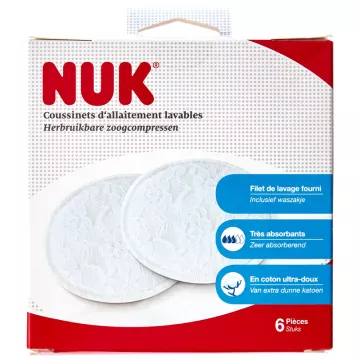
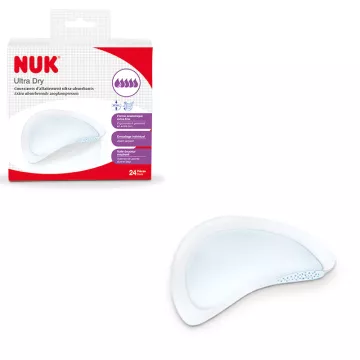
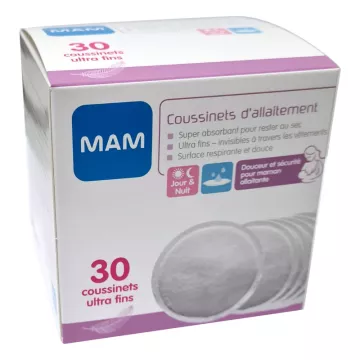
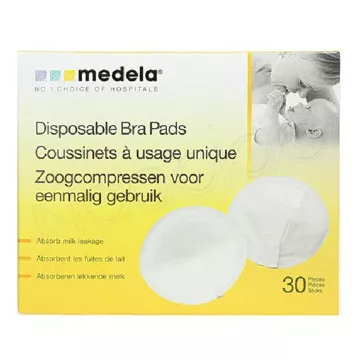
- Disposable or washableabsorbent nursing pads for milk leakage
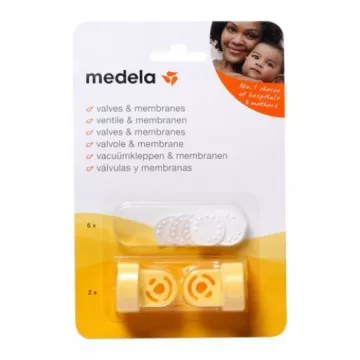
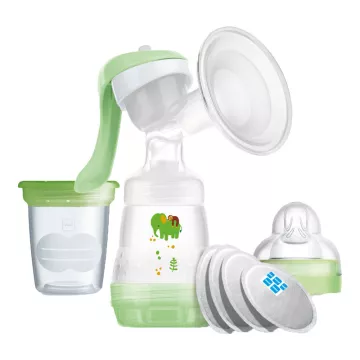
- Manual or electricbreast pumps, depending on how often you plan to use them
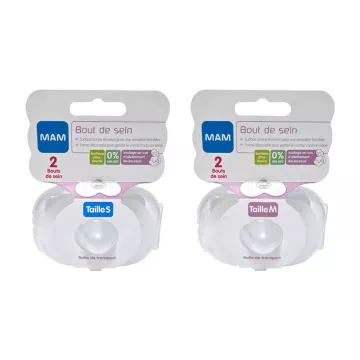
- Breastfeeding-compatiblebottles and nipples with a slow flow rate
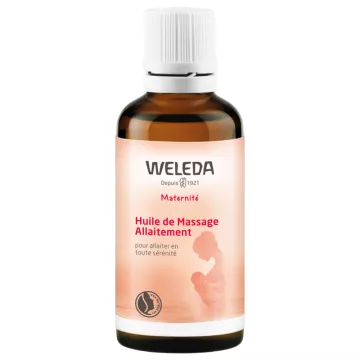
- Nipple creams made with pure lanolin (no need to rinse before feeding)
- Soothinghydrogel pads and cooling pads
- Storage bags for expressed breast milk
- A neck wrap or baby sling for physical closeness
A breast pump may be covered by your insurance at a pharmacy with a doctor’s prescription; feel free to ask about the details.
How can you breastfeed comfortably in public?
Breastfeeding in public is a recognized right in France:
- Nursing clothing with discreet openings
- Scarves or shawls for those who want more privacy
- Designatedbreastfeeding areas in certain public places, such as train stations, airports, and shopping centers
- Plan ahead: identify comfortable locations and wear appropriate clothing
- Gradually building confidence: practice naturally reduces apprehension
No French law prohibits breastfeeding in public. If an uncomfortable situation arises, you are within your rights. Support from your partner and those around you greatly helps build this confidence.
How can you stimulate breast milk production?
Milk production follows a supply-and-demand mechanism. To support it:
- Breastfeed on demand, 8 to 12 times in a 24-hour period during the first few weeks
- Empty one breast completely before offering the other
- Compress the breast during a feeding to encourage milk flow
- Nighttime feedings are especially important (prolactin surge)
- Skin-to-skin contact between feedings
- Get asmuch rest as possible; share non-feeding care tasks
- Regularmeals and hydration
- Stress management through relaxation techniques
- Pump between feedings if additional stimulation is needed
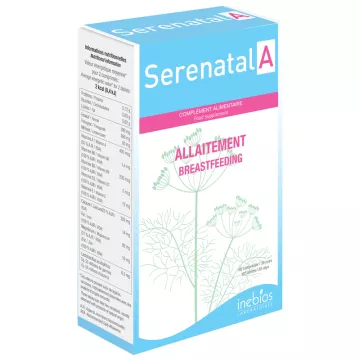
- Traditionally galactogenic herbs such as fenugreek, strictly under a pharmacist’s guidance (be aware of contraindications)
The baby’s growth spurts (around 3 weeks, 6 weeks, and 3 months) require more frequent feedings over a 24- to 48-hour period to increase milk production. This is a normal, temporary phenomenon.
What are the signs of low milk supply?
Several objective indicators can be used to assess milk production:
- Wet diapers: at least 5 to 6 per day after the first few weeks
- Regularbowel movements (at least 3 per day during the first few weeks)
- Steadyweight gain according to the growth charts in the health record
- Baby seems satisfied after feedings and sleeps peacefully
- Audible swallowing during feedings
- Breasts feel softer after a feeding
If you have any concerns about milk production (dry diapers, concerning weight loss, lethargic baby), consult your pediatrician, midwife, or an IBCLC lactation consultant promptly. Early support can often help reestablish lactation without routine formula supplementation.
What are the alternatives to exclusive breastfeeding?
The WHO recommendsexclusive breastfeeding until 6 months of age, but certain situations may require adjustments:
- Mixed feeding: a combination of breastfeeding and infant formula
- Expressed breast milk given by bottle (useful during temporary separation)
- Infant formula compliant with European regulations, selected according to the infant’s age
- Donor milk via milk banks in certain medical situations (prematurity, medical conditions)
- Gradual weaning if continued breastfeeding is not possible
Every situation is unique: the choice should be made with respect for the mother, in consultation with healthcare professionals. No parent should feel guilty about their feeding method: what matters most is the bond and the baby’s well-being.
How can you maintain lactation when returning to work?
Returning to work is a challenging time. Several options can make it easier to continue breastfeeding:
- Planning ahead: Start using a breast pump a few weeks before returning to work
- Build up a supply of frozen breast milk
- Right to use a breast pump during work hours: one hour per day for one year, according to the French Labor Code (Article L.1225-30)
- Breastfeeding rooms are mandatory in companies with more than 100 employees
- Communicate with your employer to arrange breaks
- Use adouble-pump electric breast pump to save time
- Insulated bags and proper refrigeration according to recommendations (milk in the fridge for 48 hours, frozen for 4 to 6 months)
- Maintain breastfeeding sessions in the morning, evening, and on weekends
- Support from family and friends and practical arrangements
- Maintain proper nutrition and hydration throughout the day
For personalized guidance, your pharmacist, independent midwife, or IBCLC lactation consultant are your best resources for practical questions.