Fever: A Defensive Response to Be Supported Naturally
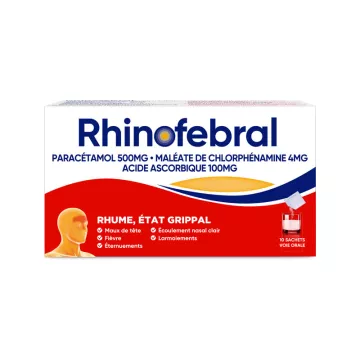
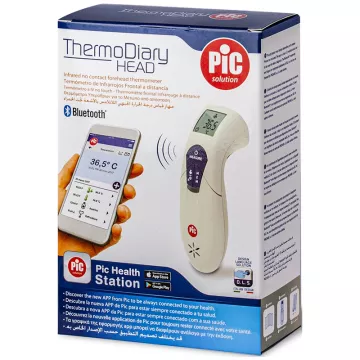
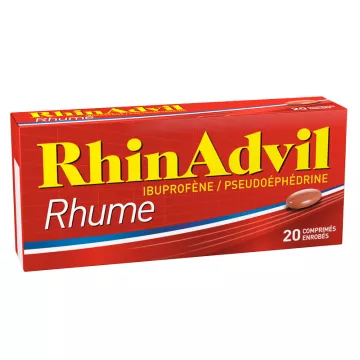
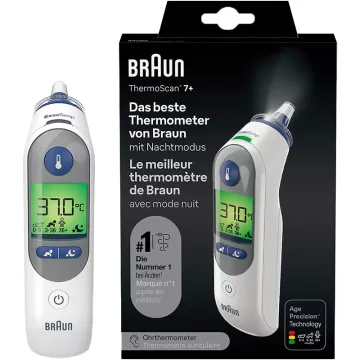
Fever is an active immune response by the body—a deliberate rise in core body temperature orchestrated by the hypothalamus to inhibit the replication of infectious agents and accelerate immune responses. A moderate fever (38–38.5 °C) that is well tolerated does not need to be “fought” at all costs: it contributes to recovery. The goal is to support comfort and recovery, not to mechanically bring the temperature back to normal. For information on biological mechanisms, fever-reducing medications, and signs of a medical emergency, visit our page on fever. Explore our cold and flu products, our respiratory health formulas, and our thermometers.
- When to support a fever naturally: mild fever (38–38.5 °C) — adults or children over 3 months of age in good general health — fever is well tolerated — no signs of seriousness (see “Fever”) — a natural fever generally lasts 3–5 days, depending on the infectious agent
- Fever and Metabolism: Each degree of fever increases basal metabolism by 10–12% → increased oxygen consumption + CO₂ production + fluid loss through sweating (an additional 500 mL to 1 L/day) — rapid glycogen depletion → increased nutritional needs despite frequent loss of appetite
- Fever in children — when to be concerned: infants < 3 months → emergency care for any fever ≥ 38 °C — febrile seizures (2–5% of children aged 6 months–5 years) — Unusual behavior + excessive drowsiness + refusal to feed + dehydration → seek medical attention
- Fever in the elderly: attenuated febrile response — a slight elevation may mask a serious infection — monitor for indirect signs: sudden confusion, falls, dehydration, loss of appetite
- Fever without infection: heatstroke (sun exposure, intense exertion in extreme heat) — severe dehydration — drug reaction — in these cases, diaphoretic herbs are contraindicated → immediate physical cooling + hydration
Hydration and nutrition during a fever
- Hydration: top priority: Adults with a fever should drink 2.5–3 L/day — water + vegetable broths (minerals) + lukewarm herbal teas sweetened with honey — for children: offer small amounts regularly — signs of dehydration: very dark urine + dry mouth + sunken fontanelle in infants + crying without tears → seek urgent medical attention
- Broths and soups: chicken broth — a natural anti-inflammatory (carnosine, neutrophil inhibition) + rich in zinc + soothing glycine + warming and comforting — vegetable broth (minerals, water-soluble vitamins) — miso soup (probiotics + sodium + minerals) — best served hot to promote sweating and thermoregulation
- Light, easily digestible foods: appetite is often reduced during a fever — do not force yourself to eat — light foods: white rice, fruit compote, mashed banana, toast + butter — as the fever subsides: reintroduce protein (eggs, chicken) + cooked vegetables to aid recovery — avoid fatty, heavy foods and refined sugars (pro-inflammatory)
- Honey (children over 1 year old and adults): antimicrobial activity (hydrogen peroxide + defensin-1) + soothes irritated mucous membranes + a source of rapidly absorbed energy — 1–2 teaspoons in lukewarm herbal tea — combine with cinnamon or ginger for a synergistic effect — strictly contraindicated before age 1 (infant botulism)
- Vitamin C (acerola): Vitamin C requirements increase 2–3-fold during an infection — supports neutrophils + collagen synthesis in damaged mucous membranes + regenerates glutathione — 500–1,000 mg/day during the febrile phase — dietary sources: kiwi, lemon, bell pepper, black currant
Herbs and natural remedies to relieve fever
- Ginger (Zingiber officinale): dual action — diaphoretic (promotes sweating → heat dissipation) + prostaglandin inhibitor (mildly antipyretic) — decoction: 3–4 slices of fresh ginger in 300 mL of water, simmered for 10 minutes + honey + lemon juice — 2–3 cups/day — suitable for children ages 2 and up — anti-inflammatory properties (gingerols + shogaols)
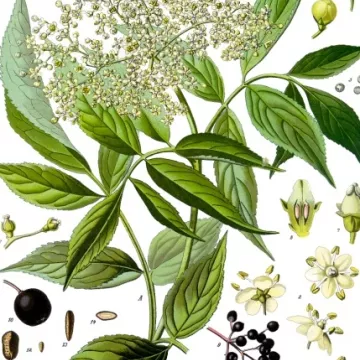
- Elderberry (Sambucus nigra): sweat-inducing flowers + antiviral berries (neuraminidase inhibition + cytokine production) — elderflower tea (1 tablespoon of dried flowers, steep for 10 min) — mildly sweat-inducing + traditional antipyretic — visit our dedicated page
- Linden sapwood + flowers: traditional French diaphoretic herb — linalool + hesperidin — promotes sweating + mildly sedative (restorative sleep during fever) — linden tea 2–3 times a day with honey — combine with elderberry for an enhanced effect
- Peppermint (for adults and children over 7 years old): menthol — cutaneous vasodilator → cooling sensation + mild stimulation of sweating — apply 1–2 drops of diluted peppermint essential oil to the forehead and temples (not for children under 7 years old — risk of bronchospasm) — or as a mild herbal tea
- Propolis + zinc: propolis (antimicrobial + anti-inflammatory for the respiratory mucous membranes — oral spray + oral solution) — zinc (cofactor in the antiviral immune response — 10–15 mg/day) — combine these to support immunity during the febrile phase — visit our immune defense page
Physical Comfort Care and Post-Fever Recovery
- Warm compresses (20–25 °C): apply to the forehead, the back of the neck, and body folds (armpits, groin) — use lukewarm water, not cold (cold causes a reflex vasoconstriction that increases core body temperature) — repeat every 15–20 minutes — a simple method that provides immediate relief and comfort, especially for children
- Rest and sleep: Cytokine production and cell regeneration peak during sleep — do not force physical activity — keep the room slightly cool (18–20 °C) and wear light clothing (to allow heat to dissipate) — use a humidifier if the air is dry (protects the respiratory mucous membranes)
- Lukewarm (not cold) bath: bath at 1–2 °C below the patient’s body temperature—10–15 min—gentle cooling via peripheral vasodilation—never place in a cold or icy bath (vasoconstriction + shivering → increased internal heat + discomfort)
- Post-febrile recovery: Fever depletes micronutrient reserves — vitamin D3 + zinc + vitamin C during convalescence — propolis and echinacea as a short course of treatment after recovery — a gradual and varied diet to replenish glycogen stores
- When to seek medical attention despite natural remedies: fever > 39 °C that persists after 48 hours of natural treatments — infants < 3 mois pour toute fièvre ≥ 38 °C — signes de gravité (raideur nuque, purpura, convulsions, dyspnée, confusion) — fièvre prolongée > r 5 days without a diagnosis — see our comprehensive page on febrile illness