Bites from insects, jellyfish, ticks, or venomous animals require different types of immediate care depending on their nature. Quickly identifying the cause helps you take the right action. Over-the-counter products cover most common situations.
What immediate steps should you take after a bite or sting?
There are three steps to follow regardless of the type of bite or sting, before taking any more specific action.
- Stay calm and move away from the insect or animal without making any sudden movements
- Clean the area with soap and water, then disinfect it with an antiseptic solution
- Apply a cold compress for 10 to 15 minutes to reduce swelling and pain
Insect bites: What soothing products should you use?
For mosquito, wasp, or ant bites, topical treatments are sufficient in most cases.
- Soothing anti-bite gel: relieves itching and local heat
- Heat pen: brief heat (45 °C) applied immediately to the bite
- Purealoe vera gel: a natural soothing agent for the local reaction
- Oral antihistamine (cetirizine, loratadine) for more widespread reactions
How to treat a jellyfish sting?
A jellyfish sting releases nematocysts that continue to inject venom if not properly managed. Follow these specific steps.
- Rinse exclusively withseawater (do not use fresh water, as it activates the nematocysts)
- Remove any visible tentacles with a stiff card or tweezers—never with bare fingers
- Apply white vinegar or an acetic acid solution to neutralize any remaining nematocysts
- Apply a warm (not cold) compress to reduce pain once the area is clean
- Do not rub—risk of spreading the venom
Tick bite: removal and monitoring?
The tick should be removed as soon as possible —the risk of transmission increases the longer it remains attached.
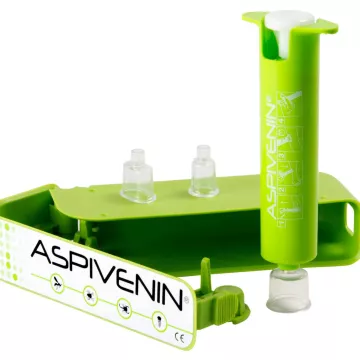
- Tick remover (Tick Twister hook) or fine-tipped tweezers: grasp as close to the skin as possible, then gently rotate or pull straight out
- Never apply alcohol, ether, petroleum jelly, or oil before removal
- Disinfect the area after removal and note the date of the bite
- Monitor for 4 to 6 weeks: erythema migrans (ring-shaped redness), fever, or fatigue—see our tick prevention products
How can you tell if there’s an infection after a bite?
A bite can become secondarily infected, especially if scratched. Here are some warning signs to watch for within 48 to 72 hours.
- Increasing redness spreading around the bite site
- Warmth, swelling, and throbbing pain
- Pus or discharge at the center of the lesion
- Prevention: Do not scratch; disinfect the bite immediately with a skin antiseptic
Over-the-counter products for after a bug bite?
Drugstores offer a complete range of products to cover all post-insect-bite care.
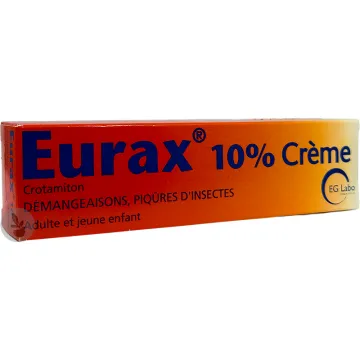
- Soothing anti-bite gels: itching, localized heat, mild reaction
- Skin antiseptics: preventive disinfection for all insect bites
- Topical or oral antihistamines: widespread local allergic reactions
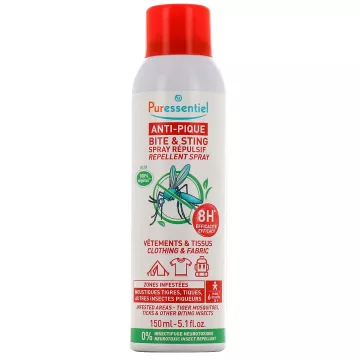
- Tick removers and specific bite treatment kits: see the insect bite care category