Bed bugs (Cimex lectularius) are among the most difficult household infestations to eradicate. Early detection and a combined treatment protocol are essential: no single method is sufficient on its own. Our selection of pest control products offers tailored solutions.
What is a bed bug, and how can you identify one?
The bed bug is a flat, oval, brownish insect measuring 4 to 7 mm. It can be identified by several characteristic signs.
- Small brownish or reddish spots on sheets and the mattress (feces + dried blood)
- Translucent shed skins left behind during molting
- A characteristic sweetish odor in heavily infested rooms
- Inspect with a flashlight: mattress seams, bed frame, baseboards, and cracks in the walls
How do bed bugs get into a home?
Infestation almost always occurs through passive introduction from outside.
- Luggage after a hotel stay or a trip
- Secondhand furniture or clothing
- Spread from a neighboring residence through cracks, ducts, and cable conduits
- They can survive without feeding for 3 to 5 months—an empty room is no guarantee of eradication, unlike dust mites, which require specific humidity conditions
What are the health risks?
Bed bugs do not transmit diseases, but their presence has real health consequences.
- Bites: itchy, red bumps that may develop into an allergic skin reaction
- Apply a soothing anti-bite gel for local relief
- Sleep disturbances and chronic anxiety related to the infestation
- See a doctor if the lesions become infected from scratching or in case of a severe allergic reaction
How do you treat a bed bug infestation?
No single method is sufficient— combined treatment is the only effective approach.
- Thorough vacuuming: bed frame, mattress, baseboards, cracks—empty the vacuum cleaner immediately into a sealed bag
- High-temperature steam cleaning: kills adults, larvae, and eggs on accessible surfaces
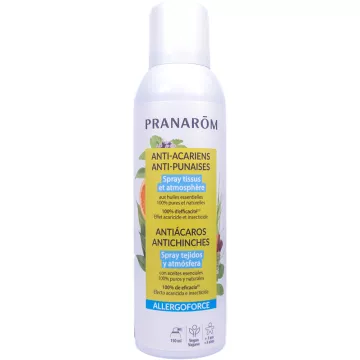
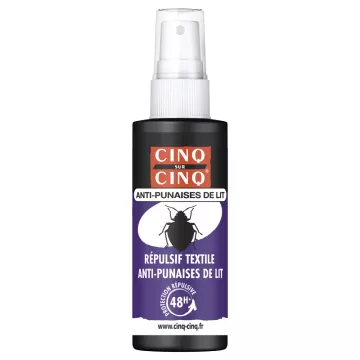
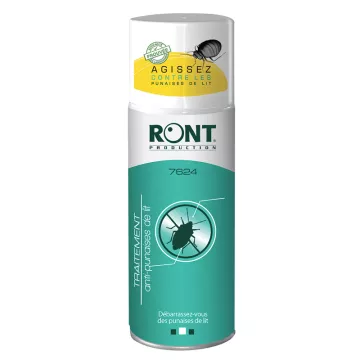
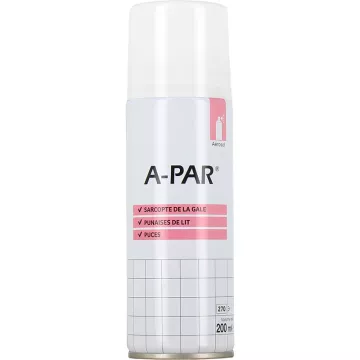
- Bed bug-specific insecticide sprays: targeted treatment of nooks and crannies; repeat as directed by the product
- Diatomaceous earth: spread a layer at the foot of the bed and in corners—mechanical action on the cuticle, with no resistance
- Disinfect the cleaned surfaces after treatment with a disinfectant solution
- For confirmed infestations: hire a professional to perform a 50°C heat treatment of the entire dwelling
How can you prevent bed bugs?
Prevention relies on simple steps to follow consistently.
- Inspect luggage and clothing after every night spent away from home
- Use certified, zippered bed bug-proof mattress and box spring covers
- Wash sheets and bedding at 60 °C after traveling—regular cleaning also limits hiding spots
- Inspect secondhand furniture and clothing before bringing them into your home
- Coordinate treatment with neighbors in apartment buildings
What natural methods are there for combating bed bugs?
Some natural solutions can complement the treatment protocol, but should not replace it.
- Diatomaceous earth: the most well-documented method—it works mechanically by damaging the cuticle, leaving no room for resistance
- Steam treatment: effective on accessible areas, does not penetrate deep cracks
- Essential oils (lavender, tea tree): weak and short-lived repellent effect—insufficient on their own
- CO₂ trap: useful for detection and monitoring, not for eradication