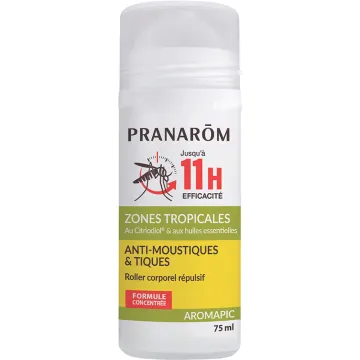
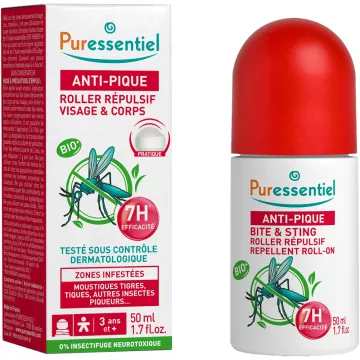
Choosing the right mosquito repellent depends on your destination, your personal profile, and the level of protection you’re looking for. Sprays, lotions, natural repellents, or diffusers: each formulation meets different needs. Our selection covers all uses within the mosquito repellent range.
What is a mosquito repellent, and how does it work?
A mosquito repellent is a repellent or insecticide designed to protect against bites. Depending on its mechanism of action, it can repel mosquitoes with a volatile substance, paralyze them on contact, or create an olfactory barrier. The most well-documented active ingredients are: DEET, icaridin, and IR3535 for chemical repellents; and citronella and lemon eucalyptus for natural repellents.
What types of mosquito repellents should you choose?
The formulation should be tailored to the intended use and the user’s profile.
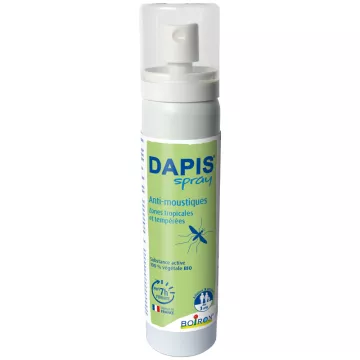
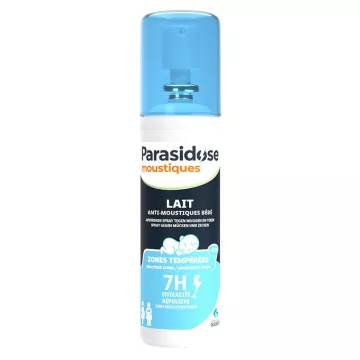
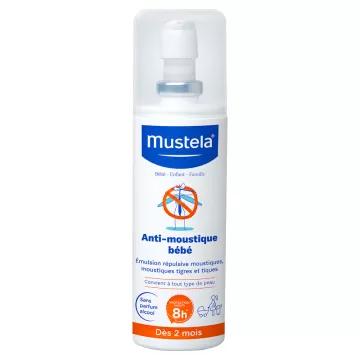
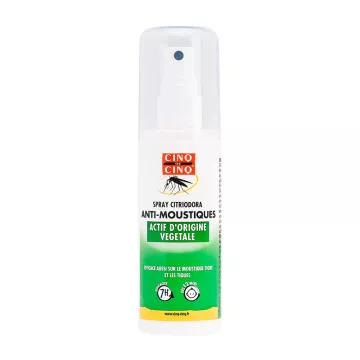
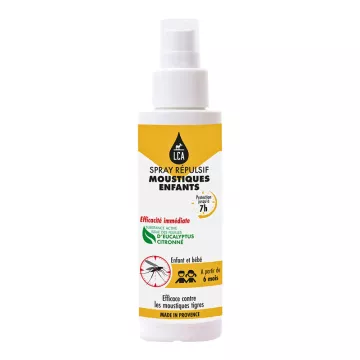
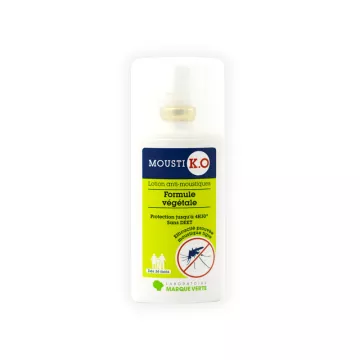
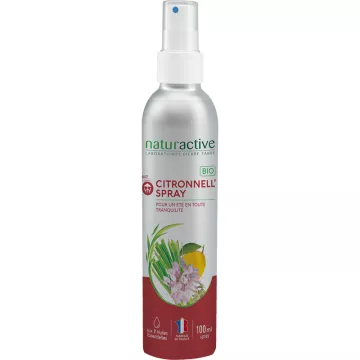
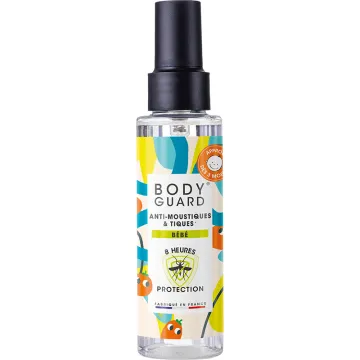
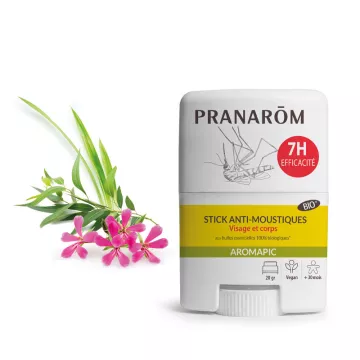
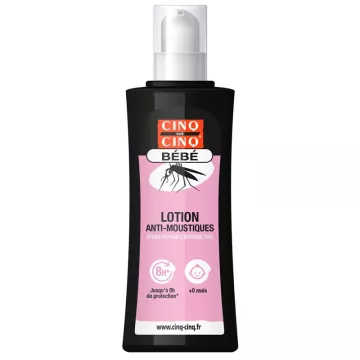
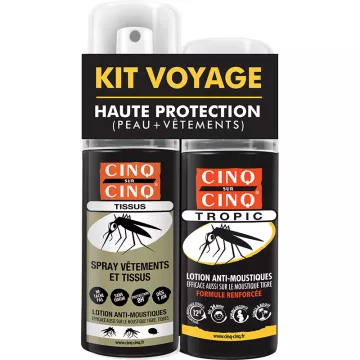
- Skinsprays and lotions: applied directly to the skin, providing immediate protection that can be adjusted based on concentration
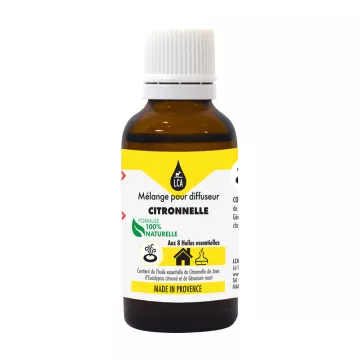
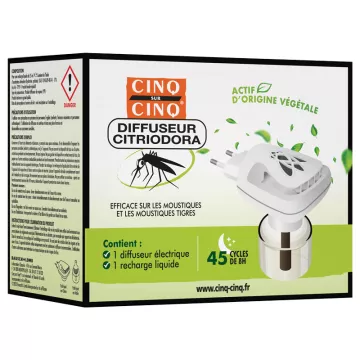
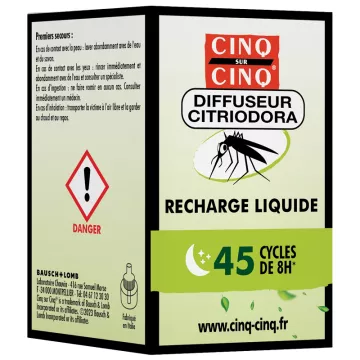
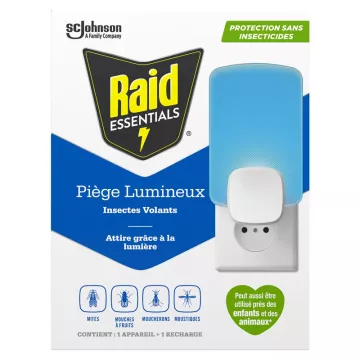
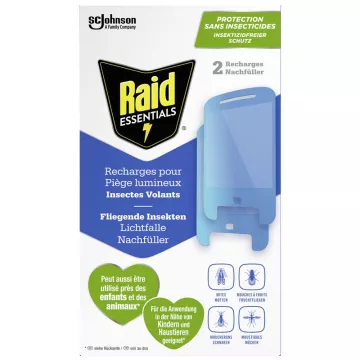
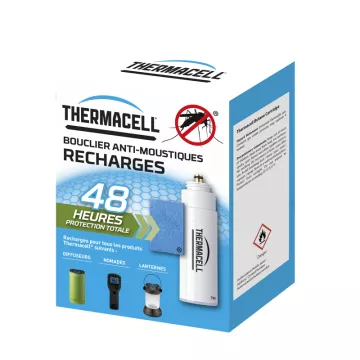
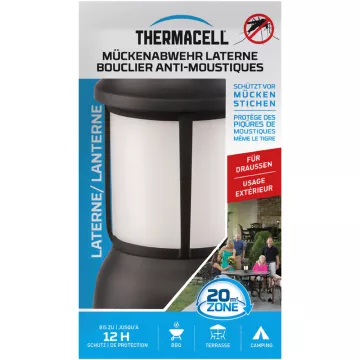
- Electric diffusers and coils: for indoor or semi-open spaces (patios), providing ambient protection
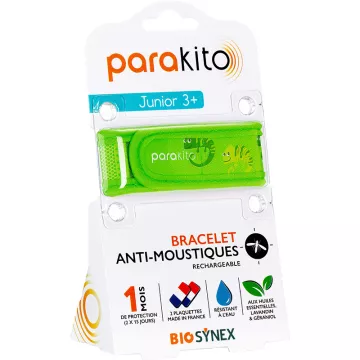
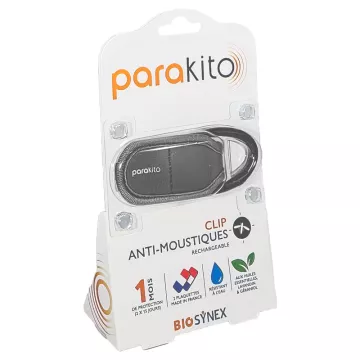
- Bracelets and patches: portable protection with a limited range; insufficient on its own in high-risk areas
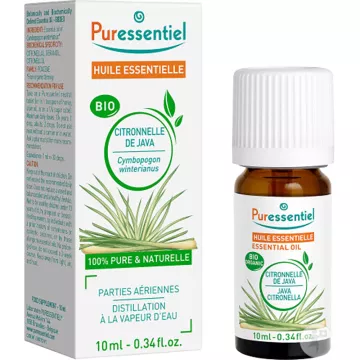
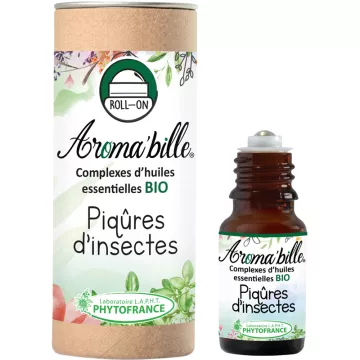
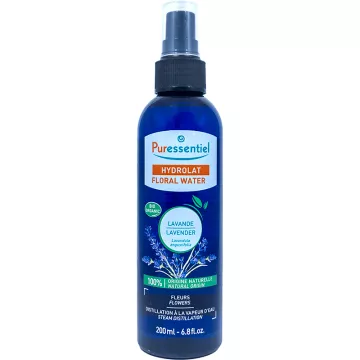
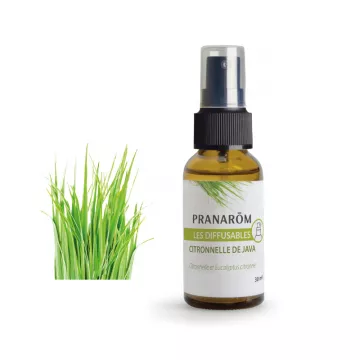
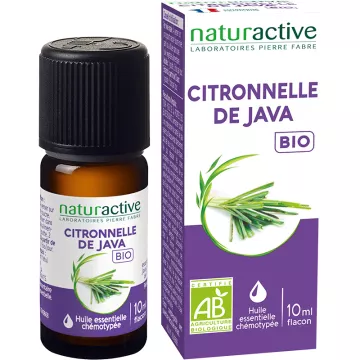
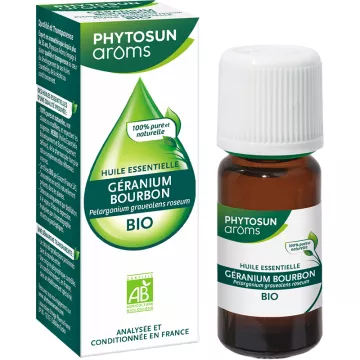
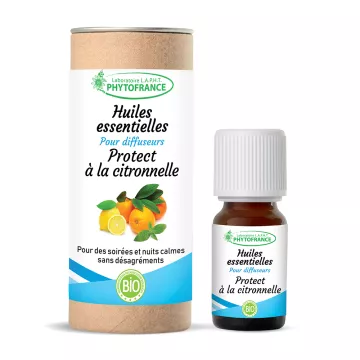
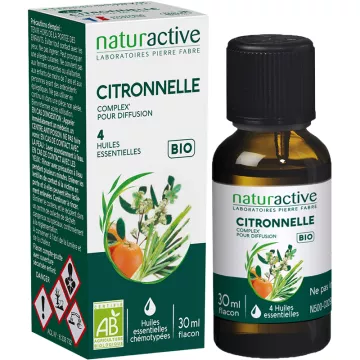
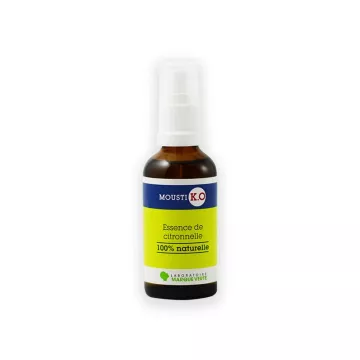
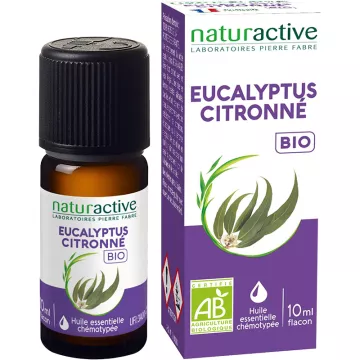
- Essential oils with repellent properties: citronella, eucalyptus, lavender —short-acting, requires reapplication
How do you use a mosquito repellent?
Proper application is key to the product’s effectiveness.
- Apply to all exposed skin, avoiding the eyes, mouth, and open wounds
- Do not apply under clothing or to children’s palms
- Reapply as directed, especially after swimming or sweating
- Combine with wearing protective clothing and using a mosquito net at night
Mosquito repellent for children and pregnant women?
The formulation must be suitable for sensitive individuals.
- Infants under 2 months: mosquito nets only—no skin repellents
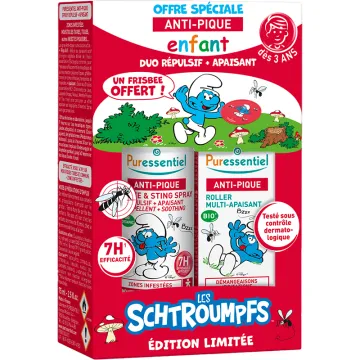
- Children 2 months to 2 years old: special baby repellents with a gentle formula; apply to clothing whenever possible
- Children over 2 years: icaridin or IR3535 at pediatric concentrations; avoid application on the face
- Pregnant women: Icaridin recommended by the WHO; DEET may be used with caution under medical supervision
Natural vs. Chemical Mosquito Repellents: How Effective Are They?
The choice between natural and chemical products depends mainly on the exposure context.
- Natural repellents (essential oils): documented effectiveness but short duration of action (1 to 2 hours)—suitable for low-risk temperate zones
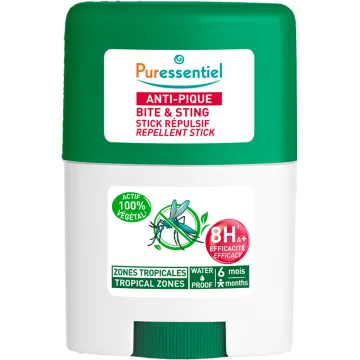
- DEET: international standard, effective for up to 8 hours, recommended for tropical areas at risk for malaria
- Icaridin: effectiveness comparable to DEET, better skin tolerance, recommended for pregnancy and children
- Natural repellents alone are insufficient for destinations at risk for malaria or dengue
What additional methods are available for mosquito protection?
Optimal protection combines multiple layers of defense.
- Insecticide-treated mosquito nets on beds, cribs, and strollers
- Light-colored, covering clothing, preferably treated
- Eliminate standing water around the living area (larvae)
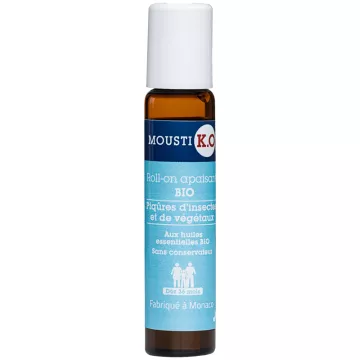
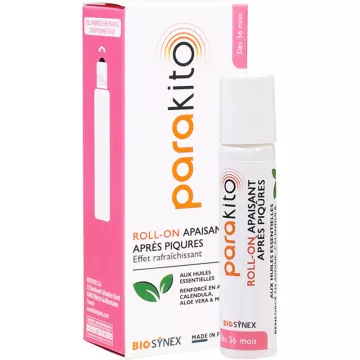
- Treat insect bites with a soothing gel if necessary
- For high-risk destinations, consult a travel medicine specialist before departure (antimalarial medication, vaccinations)