Which essential oils are the most effective as repellents?
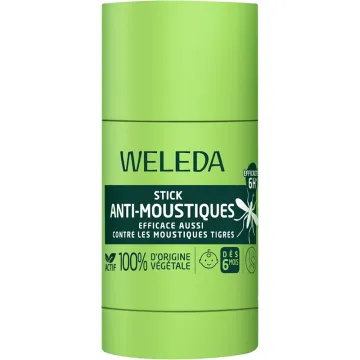
Essential oils that act as repellents offer a natural alternative to synthetic chemical repellents for keeping insects away. Their primary mode of action involves interfering with insects’ olfactory receptors—some compounds mask attractive odors (CO₂, lactic acid), while others act directly as sensory irritants. The natural mosquito repellent line is available in the store.
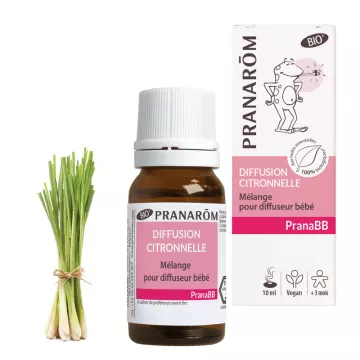
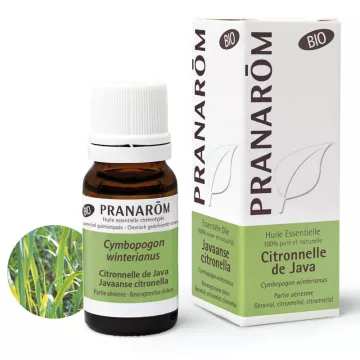
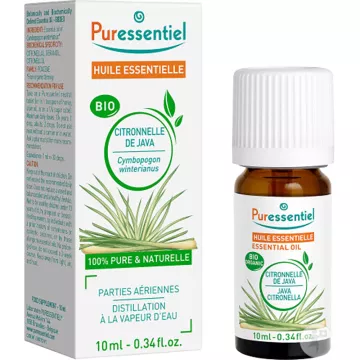
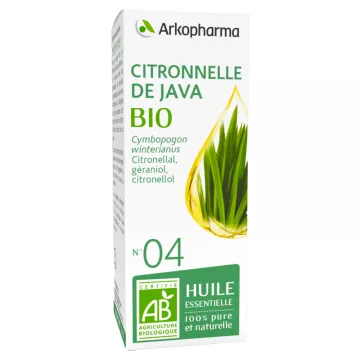
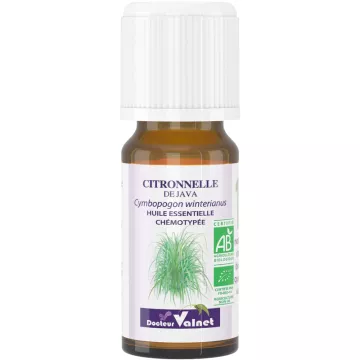
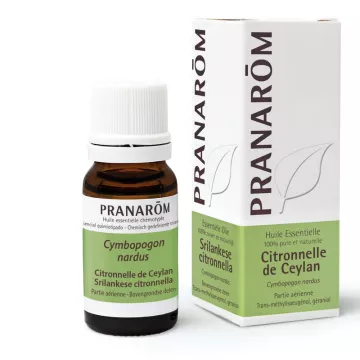
- Citronella (Cymbopogon nardus or C. winterianus): the best known—citronellal and geraniol mask odors that attract mosquitoes—short duration of action (45 min to 2 h)—reapply as needed—two varieties (Ceylon, which is milder; Java, which is more potent for tropical areas)
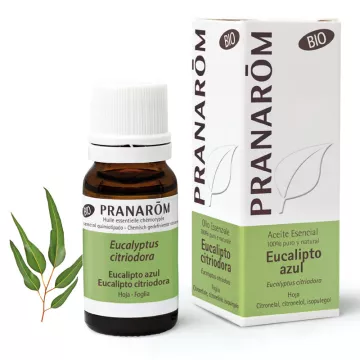
- Lemon eucalyptus (Corymbia citriodora): PMD (p-menthan-3,8-diol) derived from its main compound, citronellal — the most scientifically documented — effectiveness comparable to 10–15% DEET in several studies — not recommended for children under 3 years of age
- True lavender (Lavandula angustifolia): versatile repellent (mosquitoes, flies, moths) — linalool and linalyl acetate — very well-tolerated profile — safe for children ages 3 and up when diffused — moderate duration of action
- Rose geranium (Pelargonium graveolens): geraniol and citronellol — repels mosquitoes and ticks — mild profile — traditionally combined with lemongrass for documented synergy
- Peppermint: menthol, which repels spiders, ants, and certain mosquitoes — not recommended for children under 7 years of age or pregnant women when applied to the skin
- Atlas cedar: cedrol — recognized repellent against moths and closet insects — for indoor and textile use — mild and well-tolerated
How to use repellent essential oils safely?
Essential oil repellents should never be applied undiluted to the skin—always dilute them in a carrier oil (sweet almond, jojoba, coconut) or in a suitable lotion base. The duration of action of essential oils is shorter than that of DEET (3–8 hours): reapply every 1 to 2 hours when outdoors.
- Dilution for adult skin application: 3 to 5% in a vegetable oil—about 30 to 50 drops per 100 ml—apply to exposed areas (arms, legs, nape of the neck)—avoid the face, mucous membranes, and open wounds
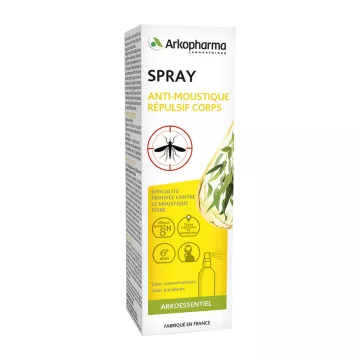
- DIY repellent spray: 15 to 20 drops of repellent essential oil + 1 teaspoon of alcohol + 100 ml of distilled water—shake well before each use—formulated mosquito repellent sprays available in the store
- Room Diffusion: 4 to 6 drops in an ultrasonic diffuser — 15 to 20 minutes — effective for indoor protection (patio, child’s bedroom) — ventilate the room after each session
- Patch test required: 48 hours before any first full-body application — test on the inner elbow — discontinue use if redness or itching occurs
What precautions should be taken with children, pregnant women, and pets?
- Children under 3 years old: Do not apply repellent essential oils to the skin — use a diffuser only occasionally and ensure the room is well-ventilated — use age-appropriate mosquito repellents for infants
- Children ages 3 to 7: lavender, Ceylon citronella, and rose geranium in low dilutions (<2%) — lemon eucalyptus not recommended before age 3 — peppermint contraindicated before age 7
- Pregnant and breastfeeding women: Consult a healthcare professional before use — lemon eucalyptus and peppermint are not recommended — lavender and Ceylon citronella may be used in low dilutions depending on the trimester and medical advice
- Pets: Some essential oils are toxic to cats (phenols—thyme, oregano) and dogs—always ensure proper ventilation when diffusing—consult a veterinarian before using essential oils in a space shared with animals
- For areas at risk of infection (malaria, dengue, Zika, Chikungunya) and when traveling to tropical regions, repellents containing DEET, IR3535, or icaridin remain the medically recommended standard—essential oils are suitable for use in temperate climates or as a supplement—see the sand fly page for specific risks
Which repellent essential oil blends should you prioritize?
- Versatile mosquito repellent: citronella + rose geranium + lavender (5 + 3 + 2 drops per 20 ml of vegetable oil)—a synergy of the three active ingredients for broader and longer-lasting protection
- Tick repellent: rose geranium + lavender + eucalyptus (5 + 3 + 2 drops per 20 ml) — apply to exposed areas before heading out to wooded or grassy areas
- Summer indoor repellent: citronella + peppermint + sweet orange in a diffuser (4 + 2 + 4 drops) — a fresh, repellent atmosphere without being overpowering
- Storage: amber glass bottles — keep away from direct light and heat — close tightly after each use to prevent evaporation of the active volatile compounds — shelf life of 2 to 3 years once opened