Sand flies (or "sand flies") are small biting insects found in the warm regions of the Mediterranean basin, the Middle East, and Africa. As vectors of leishmaniasis, they pose a real parasitic risk to travelers and pets in endemic areas. Protection against them follows the same principles as for mosquitoes, with a few specific considerations.
What is a sand fly, and where is it found?
The sand fly (Phlebotomus spp.) is a dipteran measuring 1.5 to 3.5 mm, smaller than the common mosquito. Its grayish body and heart-shaped wings distinguish it from other biting insects. It is active mainly from dusk to dawn in forested, rural, and suburban areas of Mediterranean and tropical regions. Its small size allows it to pass through some standard mosquito nets.
What diseases do sandflies transmit?
Leishmaniasis is the primary vector-borne disease associated with sandflies. It can take several forms depending on the parasite transmitted.
- Cutaneous leishmaniasis: localized skin ulcer; spontaneous healing is possible but slow
- Visceral leishmaniasis (kala-azar): affects internal organs; potentially serious without treatment—seek immediate medical attention
- Sandfly fever and Toscana virus: febrile syndromes that resolve spontaneously
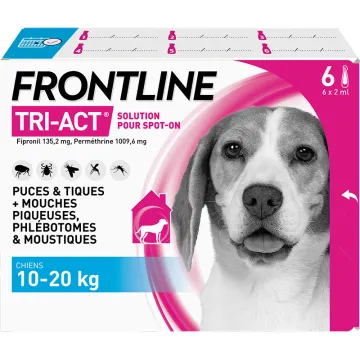
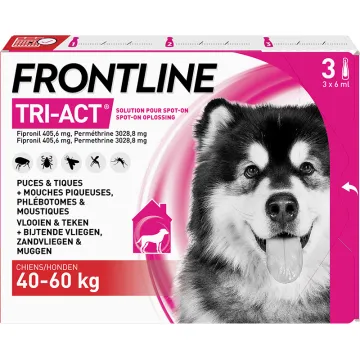
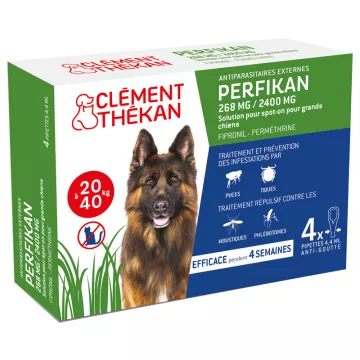
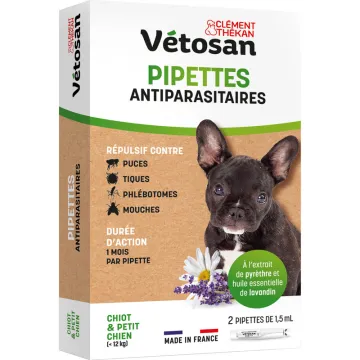
- For dogs: Canine leishmaniasis is common in the Mediterranean region—see veterinary antiparasitic treatments
How can you protect yourself from sandfly bites?
Protective measures combine repellents, physical barriers, and appropriate behaviors.
- High-concentration DEET or icaridin skin repellents—sandflies are sensitive to these just as mosquitoes are (anti-mosquito selection)
- Light-colored, loose-fitting clothing with long sleeves starting at dusk
- Fine-mesh (less than 0.4 mm) mosquito nets treated with permethrin: standard mosquito nets do not keep sandflies out
- Avoid going out during peak activity times: dusk and the first two hours of the night
- Include in your travel first-aid kit when traveling to Mediterranean or tropical regions
How do you treat a sand fly bite?
Sand fly bites are often more irritating than mosquito bites, with a more pronounced local reaction.
- Clean and disinfect the bite site
- Apply a soothing anti-bite gel to relieve itching and local warmth
- Take oral antihistamines if the reaction is widespread or if there are multiple bites
- See a doctor if a persistent skin lesion develops in the weeks following your return from an endemic area—a possible sign of cutaneous leishmaniasis
How can you protect your dog from sandflies?
Dogs are the primary reservoir hosts for leishmaniasis in the Mediterranean region. Protecting them is essential starting in the spring.
- Long-lasting repellent collars specifically designed for sand flies (deltamethrin, permethrin)—see pet parasite treatments
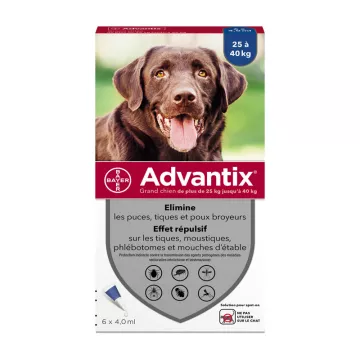
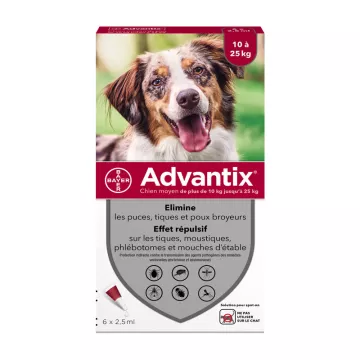
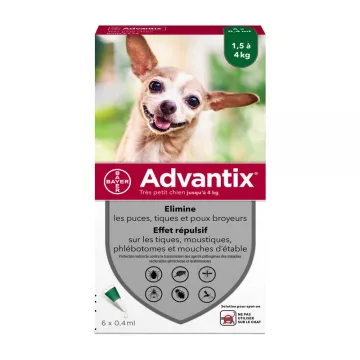
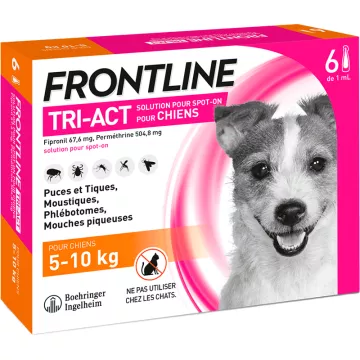
- Monthly repellent pipettes suitable for pets
- Vaccine against canine leishmaniasis available—discuss with your veterinarian before traveling to an endemic area
- Keep your dog indoors during sand fly activity hours
Sand Flies and Travel: What to Expect?
Travelers to the Mediterranean region, the Middle East, sub-Saharan Africa, or South America should plan ahead for protection.
- Consult a travel medicine specialist before departure for areas with high prevalence of leishmaniasis
- Bring long-lasting repellents, a fine-mesh treated mosquito net, and soothing gel
- No vaccine or prophylactic treatment is available for humans—prevention relies entirely on physical and chemical protection