Head lice (Pediculus humanus capitis) are blood-feeding ectoparasites measuring about 2 to 3 mm in length that live exclusively on the human scalp. They are transmitted through direct hair-to-hair contact. Characteristic signs include itching at the back of the head and behind the ears, the presence of nits (eggs cemented to the base of the hair shaft, oval and grayish-white in color, which should be distinguished from dandruff, which slides down the hair shaft), and small papules on the nape of the neck. Inspection using a fine-toothed comb on damp, shampooed hair is the most reliable screening method.
Three categories of treatments exist, each with distinct mechanisms of action:
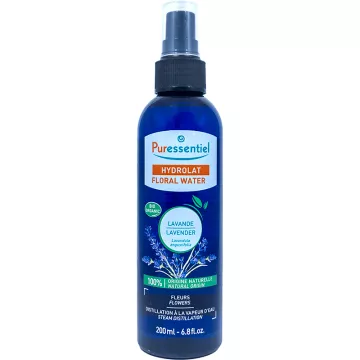
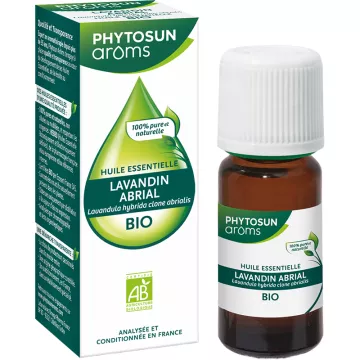
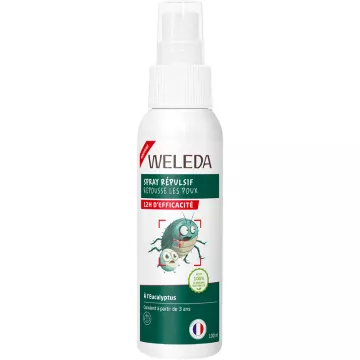
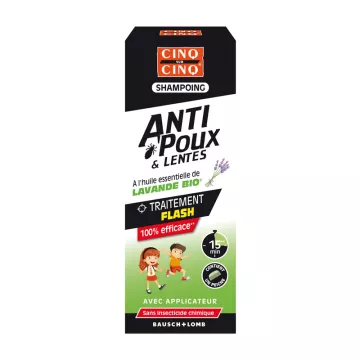
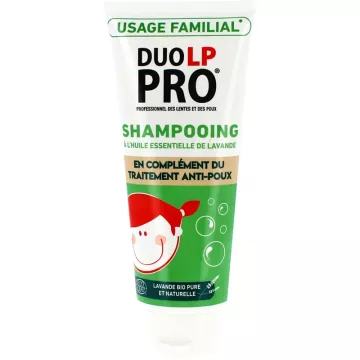
Lemongrass essential oil (Cymbopogon citratus, citral-dominant) is the most well-documented for its direct pediculicidal activity against adult lice—its ovicidal activity (against nits) is more limited. These essential oils must be used diluted (2–5% in a neutral vegetable oil)—never undiluted on the scalp. Ready-to-use natural repellent sprays combine several repellent essential oils in a stable formulation, to be sprayed on the hair before school or when in high-risk settings.
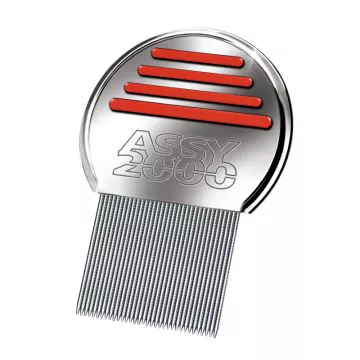
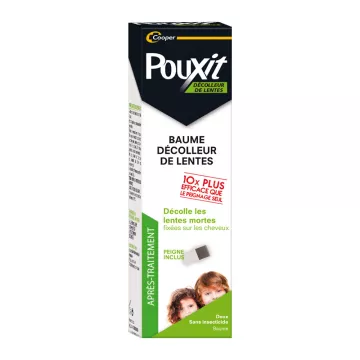
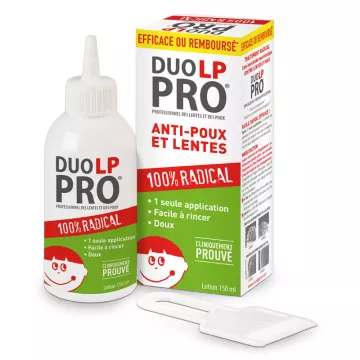
A comb with very closely spaced stainless steel teeth (0.2 to 0.3 mm apart) is the standard tool for detecting and mechanically removing lice and nits. It should be used on damp hair that has been generously conditioned (with conditioner or coconut oil) to help the comb glide through the hair. The correct technique is to comb in sections from the roots to the tips, wiping the comb on a white piece of paper after each pass to see the parasites that have been removed. This method should be repeated every 2 to 3 days for 2 to 3 weeks to eliminate any nits that hatch after the initial treatment.
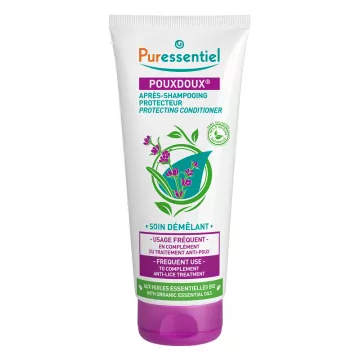
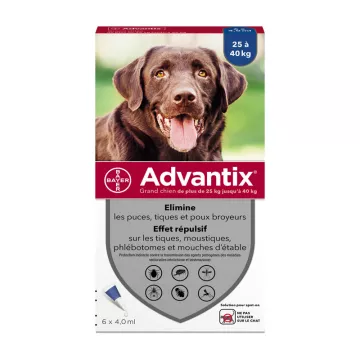
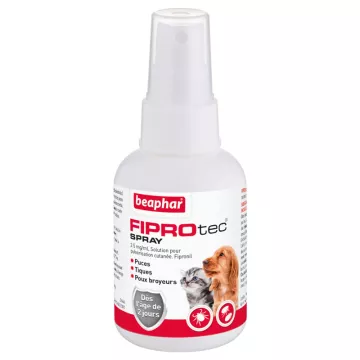
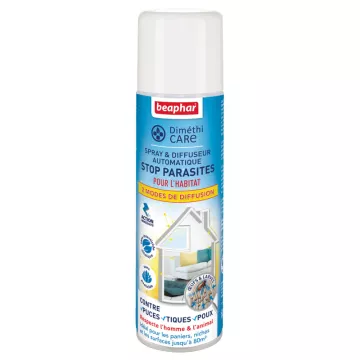
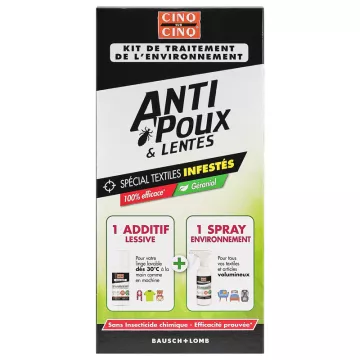
Prevention relies on reducing fur-to-fur contact: style long hair in braids or a bun in group settings, do not share hats, helmets, or brushes, and regularly inspect children’s hair. Repellent sprays and conditioners (essential oils of lemongrass, lavandin, geranium, and tea tree) reduce the attractiveness of the hair to lice without the use of insecticide treatments. Rapid reinfestation after curative treatment indicates an active source in the immediate environment—all household members must be checked at the same time. Clothing and bedding do not require insecticide treatment: washing at 60°C or placing them in the freezer (48 hours at -20°C) is sufficient. Citronella essential oils and multi-insect repellent formulas provide consistent protection against all blood-sucking pests (lice, mosquitoes, ticks).
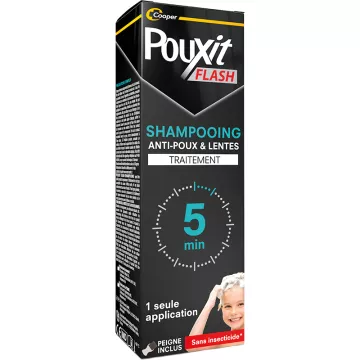
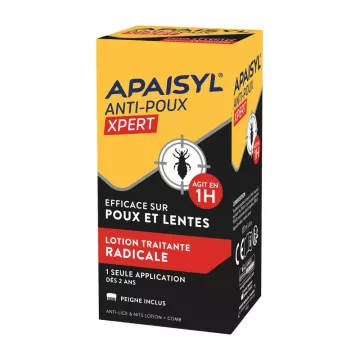
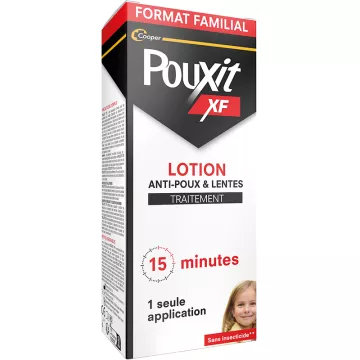
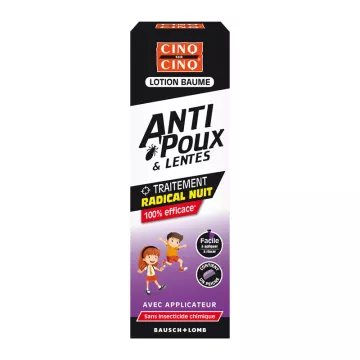
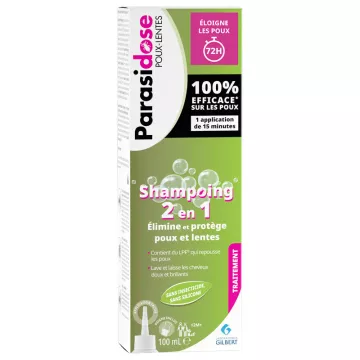
Resistance to insecticides (particularly permethrin) is a well-documented and growing phenomenon in several regions of Europe. If a properly administered insecticide treatment fails, switching to a mechanical treatment (dimethicone, beeswax) is recommended, as these formulations do not lead to resistance. The combination of a mechanical treatment and a fine-toothed comb (every 2 days for 3 weeks) is the most effective protocol against resistant lice. In cases of diagnostic uncertainty (persistent itching without live lice or nits) or recurrent infestation despite properly administered treatments, a medical consultation can rule out other diagnoses (scalp scabies, seborrheic dermatitis, folliculitis) and identify the source of reinfestation. Natural tick repellents based on essential oils share active ingredients with anti-lice formulas—integrated protection against multiple external parasites is possible using the same products.