What is ringworm, and how can you recognize it?
Ringworm is a fungal skin infection caused by fungi called dermatophytes. It primarily affects the scalp (ringworm of the scalp: tinea capitis) and hairless skin (ringworm of the body: tinea corporis, commonly known as “St. Catherine’s wheel”). More rarely, it can affect the beard (tinea barbae) or the nails (tinea unguium, or onychomycosis). The main fungi responsible belong to the genera *Trichophyton*, *Microsporum*, and *Epidermophyton*.
Typical clinical signs:
- Scalp ringworm: rounded patches of alopecia (hair loss) that are scaly, with short, broken hairs at the scalp’s surface. Sometimes an inflammatory form (kerion) occurs, featuring pustules, pain, and crusts.
- Tinea corporis: well-defined, circular pink or red patches with an actively scaling border that progresses outward and a paler center (a “rosette” appearance).
- Itching is often present but not always pronounced.
The diagnosis is based on a clinical examination supplemented by a mycological sample (scales, hair, or nails): direct microscopic examination and culture to identify the causative species. This identification guides the choice of antifungal medication and the duration of treatment. Wood’s light (UV) can aid in identifying certain fluorescent species (*Microsporum*).
What causes ringworm?
Transmission occurs through contact:
- Direct: skin-to-skin contact with an infected person or animal.
- Indirect: contact with objects contaminated with fungal spores—linens, combs, hairbrushes, wigs, hats, scarves, pillowcases, barber chairs, locker rooms, tatami mats, shared sports equipment.
- Zoonotic: transmission from a carrier animal (especially cats, but also dogs, rabbits, guinea pigs, hamsters, cows, and horses). The animal may be clinically affected or simply an asymptomatic carrier.
- Soil-borne: contaminated soil and earth (more rare).
Children are particularly susceptible to scalp ringworm (due to close contact in group settings and playing with animals). Adults are more commonly affected by body ringworm and jock itch (tinea cruris).
How can you prevent a ringworm infection?
Some effective preventive measures:
- Regular personal hygiene (handwashing, showering after sports, thoroughly drying skin folds and the spaces between the toes).
- Do not share combs, brushes, helmets, hats, towels, clothing, or bedding.
- Have pets (cats, dogs, rabbits, rodents) examined by a veterinarian if they have bald patches or dandruff on their fur.
- Wear shoes in communal locker rooms, swimming pools, public showers, and on tatami mats.
- Wash laundry regularly at a minimum of 60°C whenever possible (fungal spores are resistant to lower temperatures).
- Disinfect surfaces and accessories if a confirmed case occurs in the household.
- Avoid close contact with an infected person or animal until a doctor confirms that the infection is no longer contagious.
What are the treatments for ringworm?
Treatment always involves antifungal medications, tailored to the location of the infection and the species identified by the mycological culture, and requires a doctor’s prescription:
- Scalp ringworm: **oral treatment is mandatory**, as topical antifungals alone do not penetrate deeply enough into the hair follicle to eradicate the fungus. Prescription medications: griseofulvin, terbinafine, itraconazole, fluconazole, depending on the patient’s age and the identified fungus. Usual duration: 4 to 8 weeks, or even longer. Preliminary laboratory testing and follow-up (particularly liver function tests) are recommended depending on the medication and duration of treatment.
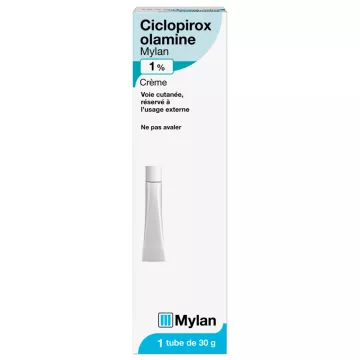
- Ringworm of the glabrous skin (corpus): prescription topical antifungals (terbinafine, ciclopiroxolamine, ketoconazole, miconazole, isoconazole cream) for 2 to 4 weeks, sometimes extended. Oral treatment may be necessary for extensive, deep, or refractory cases.
- Inflammatory ringworm (kerion): prolonged systemic antifungal treatment, sometimes combined with topical care. A dermatological consultation is recommended.
- Essential accompanying measures: decontamination of linens, combs, brushes, helmets, and pillowcases (wash at 60°C or higher; disinfect). Examination of other household members to treat asymptomatic cases. Veterinary examination of the suspected pet.
- Treatment must be continued **for the full prescribed duration** even if the lesions appear to have healed, to prevent recurrence.
- A clinical and mycological follow-up at the end of treatment is often recommended, particularly for scalp ringworm.
How does ringworm affect daily life?
Ringworm, although generally benign, can have an impact on daily life:
- Physical discomfort: itching, tenderness, and sometimes pain (in inflammatory forms).
- Cosmetic impact: temporary hair loss in the affected areas (reversible with proper treatment).
- Psychological impact on children, particularly when areas of alopecia are visible; risk of teasing and stigmatization at school.
- Exclusion from school or community settings until a medical certificate confirming the condition is non-contagious is presented (French Higher Council for Public Health). This can require significant adjustments to family and work life for parents.
- Adjustments at home: temporarily isolating laundry, disinfecting accessories, and treating the pet if applicable.
Compassionate support and clear information provided at school and to those around the child help minimize the psychological and social impact.
What are the possible complications of ringworm?
Several complications may arise, especially if treatment is delayed or if inappropriate self-medication is used:
- Secondarybacterial superinfection (staphylococcus, streptococcus): worsening of lesions, purulent oozing, fever—may require concurrent antibiotic therapy.
- Kerion: a deep, suppurative inflammatory condition, especially on the scalp and beard, which can cause permanent scarring alopecia if not treated early.
- Persistent hair loss in cases of inflammation that are not treated promptly.
- Spread to other areas of the body and to those in close contact (home, community).
- Recurrences in cases of incomplete treatment or an unresolved source of infection (carrier animal, contaminated, untreated laundry).
- More rarely, **dermatophytosis** (a distant immuno-allergic reaction, similar to eczema).
A medical evaluation helps distinguish between these conditions and adjust the treatment strategy.
How can ringworm, eczema, and psoriasis be distinguished?
Differential diagnosis can be challenging to the naked eye. Some key indicators:
- Ringworm of the body: circular patches with an active, scaly border and a lighter center, spreading outward. Confirmed by a fungal culture.
- Eczema: less well-defined patches, vesicles, possible oozing, often intense itching, frequently associated with atopic predisposition.
- Psoriasis: thick plaques with silvery-white scales, well-defined borders, characteristic distribution (elbows, knees, lower back, scalp).
- Gibert’s pityriasis rosea, lichen, centrifugal annular erythema: other possible diagnoses.
Direct mycological examination and culture are the only ways to confirm ringworm and avoid inappropriate corticosteroid therapy (topical corticosteroids alone worsen a fungal infection and can mask the signs—“decapitated ringworm”).
Can you catch ringworm at a public swimming pool?
Public swimming pools and their associated locker rooms can be a source of transmission, especially for fungal infections of the feet (athlete’s foot, sometimes classified as a form of body ringworm in the broad sense). A few precautions can limit the risk:
- Wear sandals or pool shoes in the locker rooms and around the pools.
- Shower before and after swimming, using mild soap.
- Thoroughly dry the spaces between your toes and skin folds.
- Use your own towel; do not share it.
- Avoid walking barefoot on shared rugs or surfaces.
The risk is higher in cases of chronic maceration (excessive sweating, damp synthetic socks, closed-toe shoes that don’t breathe).
Is ringworm seasonal?
Ringworm can occur year-round. However, certain seasonal factors influence its frequency:
- Summer heat and humidity promote fungal growth.
- Outdoor and group activities (day camps, summer camps, contact with farm animals or pets) increase exposure.
- Participating in sports (sweating, repeated skin-to-skin contact in combat sports, shared equipment) can also increase the risk.
- In winter, tight-fitting clothing and internal sweating in certain situations (closed-toe shoes, helmets) maintain favorable conditions.
Personal hygiene and disinfecting shared items remain the best practices year-round.
What is the typical duration of treatment for ringworm?
The duration of treatment depends on the type of ringworm and the medication:
- Tinea corporis (hairless skin): topical antifungal for 2 to 4 weeks, sometimes extended depending on the course of the infection.
- Scalp ringworm: oral antifungal medication for 4 to 8 weeks (sometimes longer), with a mycological follow-up at the end of treatment.
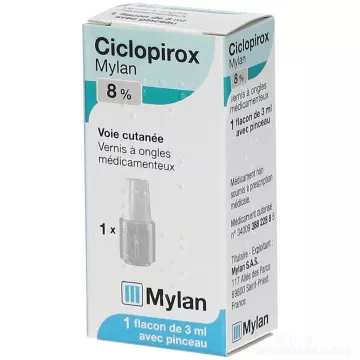
- Onychomycosis (nail infection): oral antifungal medication for several months (3 to 6 months for the hands, 6 to 12 months for the feet), sometimes combined with a topical antifungal nail polish.
- Kerion: prolonged treatment duration depending on the course of the disease, under dermatological supervision.
Do not stop treatment early, even if the lesions appear to be clinically healed: the fungus may persist, and relapse is common. A mycological follow-up at the end of treatment is often recommended for scalp ringworm.
Are natural remedies effective against ringworm?
Several approaches are commonly cited in folk medicine, but their effectiveness is insufficient to treat ringworm on their own:
- Tea tree essential oil: antifungal properties studied in vitro. Limited clinical activity and insufficient as monotherapy to eradicate ringworm. Should be used at most as an adjunct, **diluted to a maximum of 1%** in a carrier oil, with a patch test on the inner elbow for 24 to 48 hours. Standard precautions apply (pregnancy, breastfeeding, children under 7 years of age, sensitization).
- Topical garlic: a folk remedy to be avoided—risk of chemical skin burns and contact allergies.
- Lukewarm baths with colloidal oatmeal or aloe vera applications: have a soothing effect on itching but offer no real antifungal action.
- Regular washing of laundry at high temperatures and disinfection of personal items: useful complementary measures.
Medical antifungal treatment remains essential. Natural approaches have not been shown to be effective as alternatives to medications. See also “Fungal Infections” for other fungal skin conditions.