


Fungal infections are caused by microscopic fungi that colonize body tissues when conditions are favorable—such as heat, moisture, or a weakened immune system. They can affect the skin, nails, mucous membranes, or the digestive tract. These infections are extremely widespread: it is estimated that more than one billion people suffer from a skin or nail fungal infection at some point in their lives, making them one of the most common types of infections worldwide.
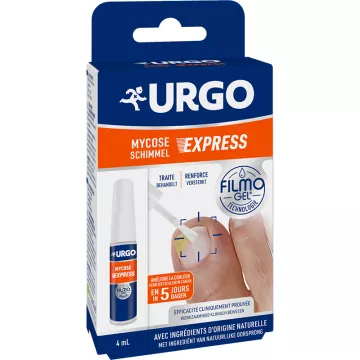
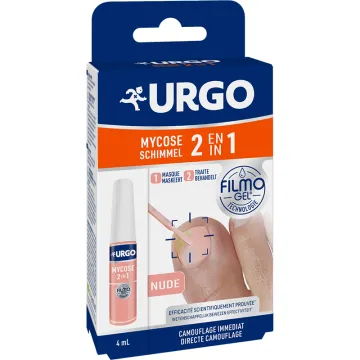
Fungal infections come in several forms depending on their location. Athlete ’s foot primarily affects the spaces between the toes and is characterized by flaking skin and itching.Onychomycosis weakens and discolors the nails, especially the toenails. Candida albicans infections affect the mucous membranes—oral, genital, and digestive—and the skin in areas subject to friction. Each form requires a treatment approach tailored to its location and severity.
Three families of fungi are responsible for skin fungal infections: dermatophytes, yeasts (primarily Candida), and molds. Contributing factors include prolonged skin moisture, contact with contaminated surfaces or objects, wearing clothing or shoes that are too tight, and a weakened immune system. Certain health conditions—such as diabetes or immunosuppressive therapy—significantly increase susceptibility to fungal infections.
Yes. Fungal infections are transmitted through direct contact with infected skin or indirectly via contaminated surfaces: floors in public showers, gym mats, and shared shoes. Athlete’s foot is particularly contagious in public swimming pools and locker rooms. Treating any infection promptly and following strict hygiene practices—such as not sharing towels or shoes and wearing flip-flops in communal areas—can help limit their spread.
Prevention relies on a few simple but consistent steps. Thoroughly drying sensitive areas—between the toes, under the breasts, and in skin folds—after showering or swimming deprives fungi of the moisture they need. Choosing cotton clothing and underwear promotes skin ventilation. Changing socks daily and airing out shoes limits fungal growth. Regular probiotics support the overall microbiome and strengthen the immune system of the mucous membranes.
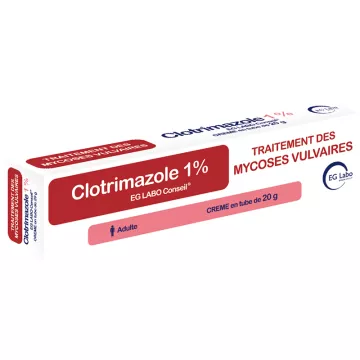
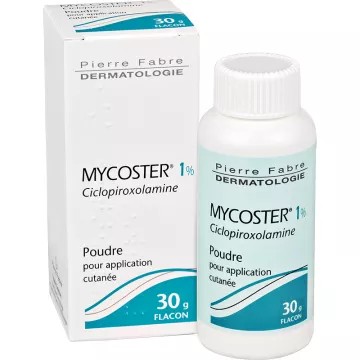
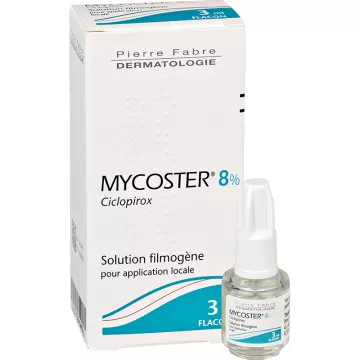
Treatment depends on the type and location of the infection. For superficial fungal infections—such as athlete’s foot and intertrigo—topical antifungal creams or sprays are usually sufficient. Vaginal yeast infections are treated with antifungal ovules or tablets. Onychomycosis, which is more resistant, often requires oral antifungal medication for several months. It is essential to complete the full course of treatment to prevent recurrence, even if symptoms disappear before the treatment is finished.
Skin fungal infections typically present as well-defined red lesions with lighter-colored borders, accompanied by scaling and sometimes itching or a burning sensation. These signs may resemble those of contact dermatitis or psoriasis. Only a healthcare professional can make an accurate diagnosis—sometimes confirmed by a fungal culture. Never treat a skin lesion with an antifungal cream without a diagnosis, as this may mask another condition.
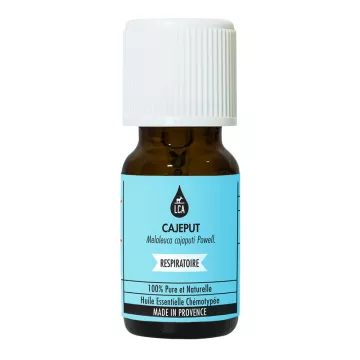
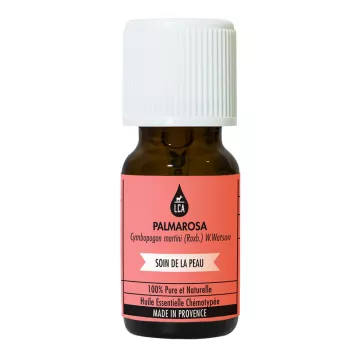
Certain natural approaches can complement medical treatment but should not replace it.Tea tree essential oil has documented antifungal properties and can be applied in diluted form to affected areas of the skin. Diluted apple cider vinegar in a foot bath can be helpful for athlete’s foot. These remedies do not replace treatment prescribed by a doctor, especially for recurrent or severe fungal infections.