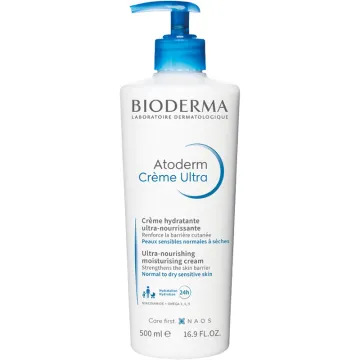
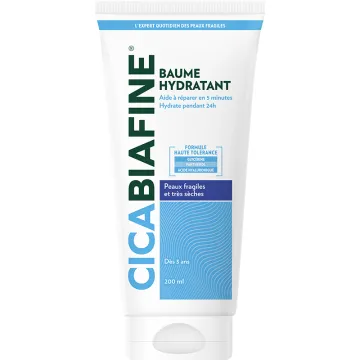
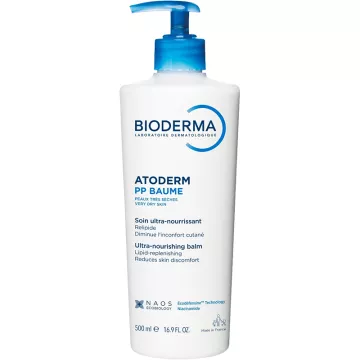
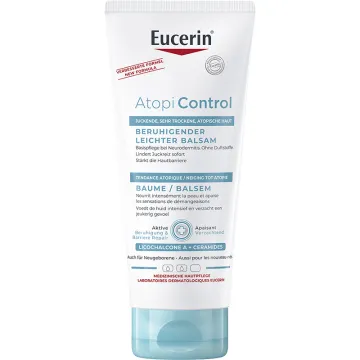
An “inside-out” approach to body nutrition combines two complementary dimensions: nourishing the skin from the inside through a diet rich in essential nutrients, and nourishing it from the outside through targeted skincare products. This synergy supports the skin’s radiance, suppleness, and comfort on a daily basis. Discover the range of moisturizing and nourishing skincare products to complement your diet.
Optimal body nutrition rests on several fundamental pillars that support both overall health and skin beauty: macronutrients (proteins, carbohydrates, fats), micronutrients (vitamins and minerals), and adequate hydration. Protein comes from a variety of sources—meat, fish, legumes, and nuts. Carbohydrates should ideally come from whole grains. Healthy fats are found in vegetable oils, nuts, and fatty fish. As for micronutrients, iron, calcium, magnesium, and vitamins A, D, E, and C support skin balance.
Hydration plays a key role for the body and the skin. Drinking enough water regulates body temperature, aids digestion, and helps transport nutrients through the bloodstream. Proper hydration supports cognitive vitality, energy levels, and a radiant complexion. Aim for about 2 liters of water per day, adjusting based on physical activity and the weather. Combine this internal hydration with external hydration through appropriate skincare products.
To nourish your skin from the inside, choose minimally processed, nutrient-rich foods. Fresh fruits and vegetables provide fiber, vitamins, and minerals. Lean proteins (chicken, turkey, legumes, fatty fish) support tissues, including skin tissue. Whole grains such as quinoa, oats, and brown rice provide sustained energy. Good sources of healthy fats (olive oil, avocados, nuts) are beneficial for both the heart and the skin.
Several common mistakes compromise nutritional balance and skin health.
Read nutrition labels carefully and choose foods in their most natural state.
Creating an effective nutrition plan starts with assessing your caloric needs based on your age, gender, physical activity level, and goals. Include a variety of nutrient-rich foods at every meal to ensure a balanced intake of macronutrients and micronutrients. Plan your meals and snacks to limit impulsive choices. If you have specific needs, a dietitian or nutritionist can create a personalized plan tailored to your situation.
Antioxidants protect the body and skin from damage caused by free radicals—unstable molecules that accelerate cellular aging. Vitamin C, vitamin E, and beta-carotene—found in many fruits, vegetables, and whole grains—support a strong immune system and long-lasting skin radiance. Include a variety of colors on your plate to maximize your intake of these nutrients.
Dietary fiber is essential for digestive health and, indirectly, for skin health. It regulates bowel movements, prevents constipation, and supports the balance of the gut microbiome, whose influence on the skin is increasingly well-documented. Fiber also helps balance blood sugar and cholesterol levels, contributing to better weight management. You can find it in vegetables, fruits, legumes, and whole grains.
An anti-inflammatory diet aims to reduce chronic inflammation, an underlying factor in many skin irritations. It emphasizes fish rich in omega-3s (such as salmon and mackerel), fruits and vegetables rich in antioxidants, and certain spices like turmeric and ginger, which are known for their anti-inflammatory properties. This approach creates a favorable environment for reactive skin prone to redness or inflammation.
Omega-3 fatty acids play a key role in the health of the skin, heart, and brain. They are called “essential” because the body cannot produce them on its own; they must be obtained exclusively through diet. The best sources are fatty fish (salmon, mackerel, sardines). For vegetarians: chia seeds, walnuts, and flaxseed oil. A regular intake of omega-3s supports skin hydration and helps soothe reactive skin.
Protein is essential for building and repairing tissues, including both muscle and skin (collagen, keratin). It supports the production of enzymes and hormones and remains essential after physical activity. To support skin tissue and muscle mass, include a source of protein at every meal—lean meats, dairy products, eggs, or, for vegetarians, legumes and soy. Collagen intake, whether through food or supplements, ideally complements this strategy.
A well-designed skincare routine complements dietary nutrition and nourishes the skin from the outside. Plant-based oils rich in essential fatty acids and vitamins—such asargan oil, avocado oil, or apricot oil—extend the benefits of ingested nutrients to the skin’s surface. Plant-based butters, body lotions, and anti-aging products round out this approach for supple, radiant, and comfortable skin every day.