Vitiligo is an autoimmune disease that selectively destroys melanocytes—the pigment-producing cells responsible for melanin. It affects 0.5 to 2% of the world’s population, with no preference for gender or ethnic origin, although the lesions are more visible on darker skin. The key characteristics are:
Brown spots (hyperpigmentation) are the opposite of vitiligo—they result from an overproduction of melanin, not from the destruction of melanocytes.
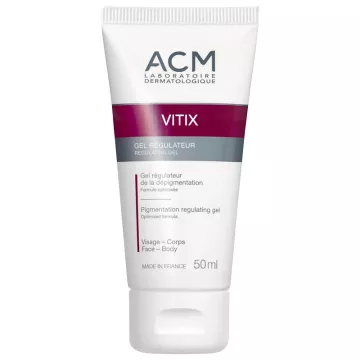
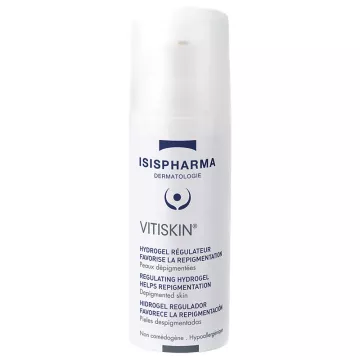
Topical repigmentation treatments stimulate the residual melanocytes present in the hair follicles and at the edges of the lesions. ACM Vitix Gel Cream (melon extract rich in superoxide dismutase, SOD) is an antioxidant that neutralizes the free radicals involved in the destruction of melanocytes and stimulates their migration toward depigmented areas. Isispharma Vitiskin (pseudocatalase) acts on hydrogen peroxide (H₂O₂), which accumulates in the epidermis of patients with vitiligo—a substance that is cytotoxic to residual melanocytes. These products should be used twice daily for at least 6 to 12 months—repigmentation begins in the perifollicular area. SPF 50+ sunscreen is essential on depigmented areas—they burn immediately without protective melanin.
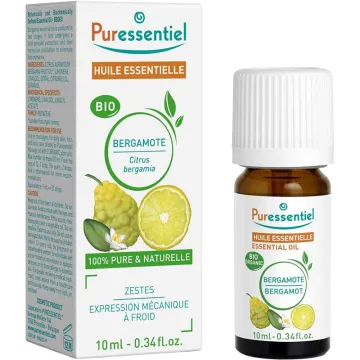
Narrow-band UVB phototherapy (311 nm) is the gold standard for vitiligo — 2 to 3 sessions per week for 6 to 12 months result in significant repigmentation on the face and neck (>75% in 50–70% of cases). Ammi Majus (Visnague) contains furocoumarins (natural psoralens)—used in homeopathy to sensitize the skin to UV light and stimulate melanogenesis. Bergamot essential oil contains bergapten (a photosensitizing furocoumarin)—its use on vitiligo must be accompanied by SPF 50+ sunscreen immediately after application to prevent sunburn on areas that are still pigmented.
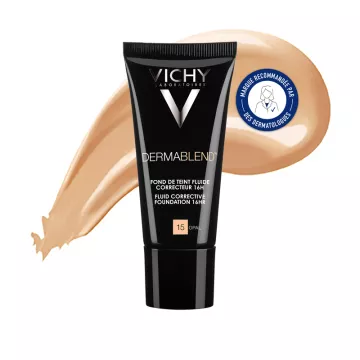
Cosmetic camouflage is the quickest solution for evening out the complexion. Full-coverage foundations (Covermark Face Magic, Vichy Dermablend) have a pigment concentration 2 to 3 times higher than standard foundations—they are waterproof and cover white patches without leaving a visible trace. Concealers neutralize the intense whiteness of the patches before applying the full-coverage foundation. The shade must match your skin tone exactly—a skin tone analysis at a pharmacy is recommended for a natural result. These products are covered by some health insurance plans with a doctor’s prescription.
Self-tanners (DHA, dihydroxyacetone) temporarily color depigmented areas without UV exposure—DHA reacts with amino acids in the stratum corneum to produce an artificial tan. Ideal in the summer for evening out skin tone without sun exposure. Self-tanners must be carefully blended at the edges of the patches to avoid a banding effect. ACM Vitix tablets (Ginkgo biloba + melatonin + antioxidant vitamins + copper + zinc) provide a complementary systemic treatment—ginkgo exerts an immunomodulatory and antioxidant effect on residual melanocytes.
There is no definitive cure for vitiligo—current treatments allow for partial or complete repigmentation, but the risk of recurrence persists. JAK inhibitors (ruxolitinib cream, approved by the FDA in 2022 and currently under review by the EMA) represent a major advance—by inhibiting the JAK-STAT pathway involved in the activation of autoimmune T cells, they enable significant repigmentation on the face (>50% in 30% of cases at 52 weeks). Anti-IL-15 and anti-CD8 antibodies are in clinical development for severe and extensive forms of the disease. From a cosmetic standpoint, corrective makeup and DHA self-tanners remain the most readily available solutions for improving quality of life while awaiting the effects of repigmenting treatments. A consultation with a dermatologist and trichologist is recommended to tailor the treatment strategy based on the extent, location, and activity of the vitiligo.