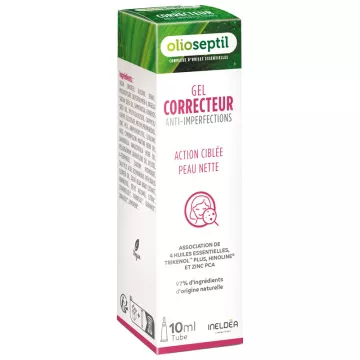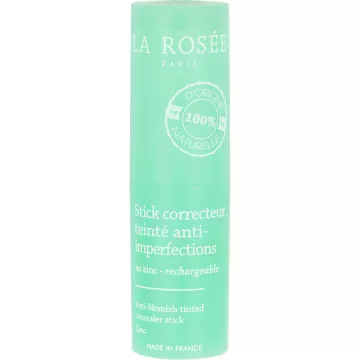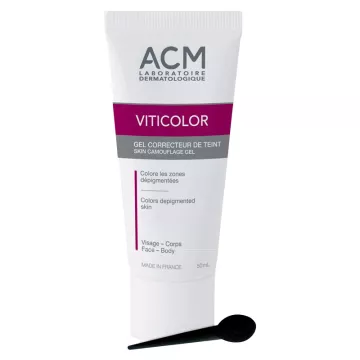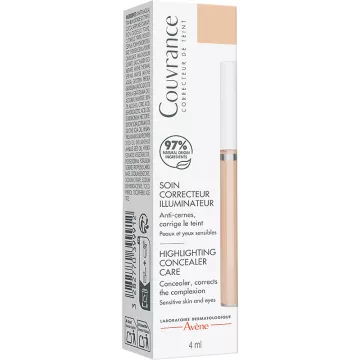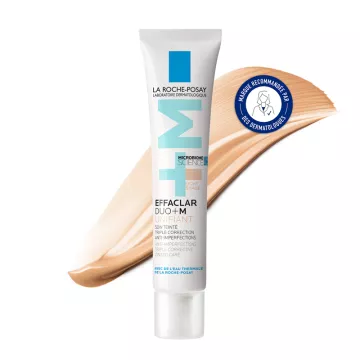
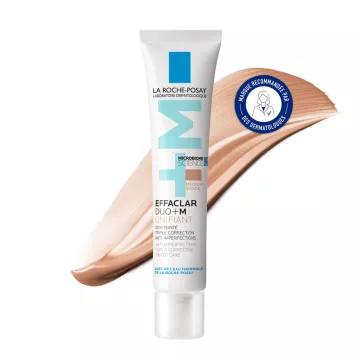

Concealer, often called under-eye concealer, is a cosmetic product formulated to selectively cover skin imperfections, dark circles under the eyes, redness, small spots, and other uneven skin tones. Its pigment-rich formula provides high coverage on small areas.
Concealer is used as needed, as a complement to a broader complexion routine, and is distinguished by its high pigment concentration and thicker, creamier texture. It is a great addition to the “concealer” subcategory and is a must-have in any makeup bag.
Choosing the right shade determines the final result. Two factors guide this decision: your natural skin tone and your specific goal (brightening, neutralizing, or concealing).
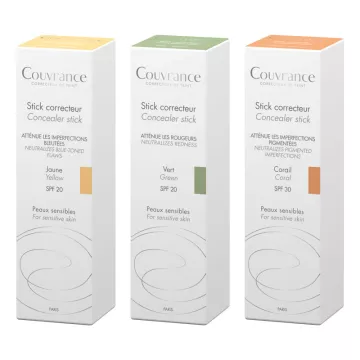
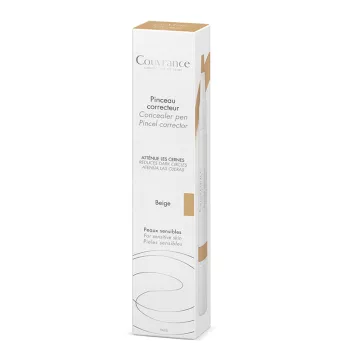
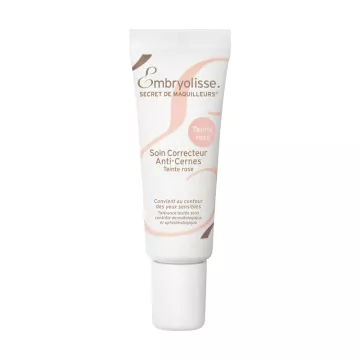
For bluish or purplish under-eye circles, choose a shade slightly lighter than your foundation, or even acolor-correcting concealer with peach or orange pigments to neutralize the blue—particularly useful on tired-looking skin. For blemishes and pimples, select a concealer that matches your skin tone exactly for invisible coverage. For redness, a green-tinted concealer (from a color-correcting palette) effectively neutralizes the color before evening out the complexion with a flesh-toned product. For dark spots, a flesh-toned shade slightly lighter than your skin visually reduces the contrast. Always test the shade on the area you want to correct in natural light, never indoors under artificial lighting.
Concealers come in three main textures, each with its own recommended uses and finish. The right choice depends on your skin type and the desired effect.
Liquid concealers are suitable for normal to combination skin, offer light to buildable coverage, and are easy to apply with a brush or your fingers. Cream concealers, which are richer in texture, provide fuller coverage and are ideal for dry skin or the under-eye area thanks to their moisturizing properties. Concealer sticks provide maximum coverage, are convenient for on-the-go touch-ups, and are particularly effective at targeting prominent blemishes. Matte-finish concealers are suitable for oily skin and for covering up pimples, while satin or luminous finishes are best for the under-eye area to refresh the eyes.
Applying in thin, gradual layers is the golden rule. Too much product accentuates fine lines and draws attention to the area you’re trying to conceal rather than hiding it.
Prepare the skin with a moisturizer suited to your skin type, paying special attention to the eye area, and let it absorb for two to three minutes. Apply the concealer with a precision brush, a damp sponge, or your fingertips, using small dabs arranged in an inverted triangle under the eye (pointing downward) to open up the eyes. Blend by gently patting, without stretching the skin. For blemishes, apply the product directly to the spot and blend the edges with a clean, fine brush. Then set with a fine powder (translucent or very lightly tinted) to extend wear and prevent smudging throughout the day.
The long-lasting wear of concealer depends on several complementary steps. Skin preparation and setting are just as important as the choice of product.
Applying a suitable makeup base or primer before the concealer significantly improves the product’s adherence to the skin. Applying very thin layers on top of each other rather than a single thick layer helps minimize creasing as the day goes on. Set it with a fine powder by gently patting—without rubbing—on the areas most prone to movement (under the eyes, the sides of the nose, and the chin). Plan for subtle touch-ups midday using a clean sponge and a small amount of product, avoiding layering concealer over existing concealer. A setting spray as a finishing touch helps seal everything in place for long-lasting wear.
Yes, concealer has a second use beyond covering up imperfections. This technique, known as highlighting, accentuates the face’s natural contours.
Concealer is used to brighten certain strategic areas: the hollows under the eyes (in an inverted triangle shape), the center of the forehead, the bridge of the nose, the Cupid’s bow above the lip, and the chin. This technique adds visual volume to the face and revitalizes a dull complexion without weighing down the skin. The rule of thumb is to use a shadeone to two shades lighter than your foundation and to carefully blend the edges to avoid any “patchy” effect. This technique pairs beautifully with blush applied to the tops of the cheekbones for a fresh, natural finish.
For users who prefer clean or organic formulations, the market now offers certified organic concealers with simpler, more transparently listed ingredients.
These products replace synthetic pigments with mineral oxides (iron oxide, titanium dioxide) and incorporate nourishing plant oils (jojoba, argan, rosehip) that provide skincare benefits during application. They prioritize naturally derived waxes (carnauba, candelilla) for texture and generally exclude non-biodegradable silicones. Their performance has come very close to that of conventional concealers in recent years. Check for a recognized certification label (ECOCERT, COSMEBIO, COSMOS, NATRUE) to ensure compliance with specific standards, and consult the dedicated organic makeup selection for specific products.
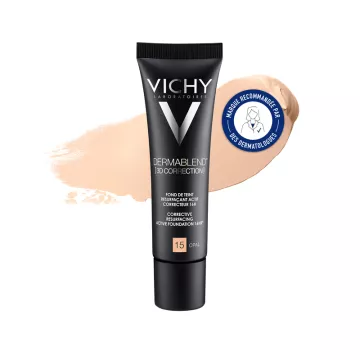
Concealer and foundation are complementary, not interchangeable. They serve two distinct purposes and are used in combination for optimal results.
Foundation is used to even out the entire face with a thin, uniform layer, harmonizing skin tone and minimizing minor overall imperfections. It is applied all over the face and provides moderate, translucent coverage. Concealer is used to target specific areas (dark circles, pimples, localized redness, small blemishes) where foundation coverage isn’t sufficient. It has a higher pigment concentration and is applied sparingly. A good routine generally involves applying foundation to the entire face first, followed by concealer on specific areas—in that order—to minimize the risk of over-application. However, some users choose the reverse order for specific technical reasons.
Dry skin under concealer is one of the most common complaints, particularly around the eyes where the skin is thin and sensitive. Proper preparation helps prevent this.
Moisturize the affected area before applying makeup with a cream or specialized skincare product, especially formulas enriched with moisturizing agents such ashyaluronic acid, glycerin, or ceramides. For the eye area, choose a specific eye cream that is lighter and suited to the thinness of the skin. Allow the cream to absorb for a few minutes before applying the concealer to avoid a “puffy” look and the formation of creases in expression lines. For very dry skin, opt for cream or stick formulas rather than ultra-coverage liquid concealers, which tend to settle into fine lines.
Yes, mixing products is a common practice in makeup. It allows you to adjust the coverage, shade, or texture according to your current needs.
Mixing a small amount of concealer with your moisturizer or foundation creates a custom tinted moisturizer with light coverage, which is particularly popular for casual days or to add depth to a foundation that’s too sheer. You can adjust the shade of a concealer by mixing in a tiny bit of a lighter or darker concealer to match seasonal changes in skin tone. It’s best to mix the product on the back of your hand before applying it, rather than mixing it directly on your face, so you can assess the finish and final color. For quick routines, some brands now offer hybrid “concealer-foundation” products that combine both functions in a single step.