Blush, also known as cheek color, is a makeup product that adds a touch of color to the cheekbones to create a “healthy glow” and a more radiant complexion. Its role goes beyond simply adding color: it visually contours the face and revitalizes a tired complexion.
For best results, use a suitable brush and apply the product to the cheekbones, blending toward the temples with gentle strokes. Choose a shade that complements your natural skin tone and apply lightly, gradually building up the intensity rather than applying a lot of product all at once. Blush is one of the makeup essentials and is part of an overall routine for illuminating the face, within the radiant complexion collection.
The market offers four main blush formulas, each with its own specific benefits. The choice of formula depends on skin type, the desired finish, and your level of experience.
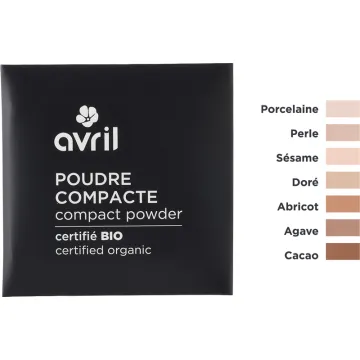
Powder blush is the most classic formula, ideal for oily and combination skin thanks to its mattifying effect. It’s applied with a brush and layers easily over a powder or mattifying foundation. Cream blush provides a more natural, blended finish and is particularly well-suited for dry skin thanks to its comfortable texture. Liquid and gel blushes are suitable for all skin types; their sheer texture offers a very natural “pink cheeks” effect, provided they’re applied quickly before setting. For oily skin types seeking a matte finish, a mattifying powder can be a useful addition to your routine.
The ideal shade depends on your skin tone, undertone, and the desired effect. The golden rule: mimic the natural color of your cheeks after moderate exercise or a refreshing blast of cold air.
For fair skin, opt for peach, pale pink, or rosy nude shades that brighten the complexion without overwhelming it. For medium skin tones, more saturated shades of pink, apricot, or coral add a pop of color without looking unnatural. For olive and dark skin tones, opt for deep shades—raspberry, berry, plum, terracotta, or brick red—that make a bold statement without looking ashy. Undertones matter too: warm undertones (greenish veins on the wrist, skin that tans easily in the sun) look best with blushes in orangey shades; cool undertones (bluish veins, skin that blushes easily) are flattered by blushes in shades of pink, raspberry, or plum.
The application technique can enhance the visual harmony of the face. A few adjustments tailored to your face shape can change the overall appearance.
On a round face, apply blush slightly above the cheekbones, sweeping toward the temples, to visually elongate the face and soften the roundness of the cheeks. On an oval face (often called a balanced shape), apply blush to the upper part of the cheekbones, sweeping outward without any specific direction. On a square face, use gentle circular motions on the cheekbones to soften the angles of the jawline. On a heart-shaped face, apply blush below the cheekbones and sweep it downward to balance the width of the forehead relative to the tip of the chin. On a long face, blend the blush horizontally across the cheekbones to break up the vertical lines of the face.
The order of application affects the final look and how long it lasts. Blush is part of a well-established sequence for a harmonious and long-lasting effect.
The typical routine consists of five successive steps. Start with a makeup primer on moisturized skin to prepare the surface. Next, apply foundation in a thin, even layer. Apply concealer to specific areas (dark circles, blemishes). Apply the blush at this stage, focusing on the cheekbones to add color and definition. Finish with a touchof highlighter on the tops of the cheekbones for extra radiance—this works especially well with fair complexions. Blend each product carefully to avoid visible lines between areas.
How long your blush lasts depends as much on how you prepare your skin as on the product itself. A few additional steps can significantly extend its wear.
Start by applying a suitable makeup primer to clean, moisturized skin to ensure optimal adhesion. Choose a long-wearing blush (formulas labeled “long-wearing” or “transfer-resistant”) if you have a long day ahead. For powder blushes, set them with a thin layer of translucent powder by gently patting it on. Avoid touching your face frequently, as this transfers the product to your hands and disrupts your makeup. For maximum staying power, lightly mist a setting spray from 30 cm away from your face as a finishing touch. For cream or liquid blushes, layering a touch of powder blush in a similar shade seals the application and significantly improves its staying power.
Yes, blush can be used to contour the face in a softer, more natural way than traditional contouring. This technique is particularly well-suited for everyday use.
To achieve this blush contouring, choose a shade slightly darker than your natural skin tone—opt for a “speckled” or “terracotta” shade rather than a truly gray one (which would make your features look harsh). Apply with an angled brush along the hollows of the cheeks, below the cheekbones, blending toward the temples. Keep the application light: the goal is to add depth and highlight the contours without creating harsh lines on the face. This approach works particularly well for elegant “no-makeup” looks and on mature skin, which doesn’t respond well to overly dramatic contouring.
Even the most experienced makeup artists can end up applying too much blush. A few simple steps can quickly rebalance the look without having to start over.
Option 1: Use a clean, dry brush—preferably the same one you used to apply the blush—to gently blend away the excess in circular motions. Option 2: Gently dab a slightly damp makeup sponge over the area with too much blush to absorb the excess product. Third option: Gently tap on a thin layer of translucent powder to tone down the intensity of the color. As a last resort, apply a small amount of foundation over the overly intense blush to soften the effect. To avoid this problem in the future, it’s best to pick up only a minimal amount on the brush, tap off the excess on the back of your hand, and gradually build up the intensity with light layers.
Cream blush is winning over more and more users thanks to several benefits that set it apart from traditional powder formulas. It’s particularly well-suited for skin types that don’t tolerate powdery textures well.
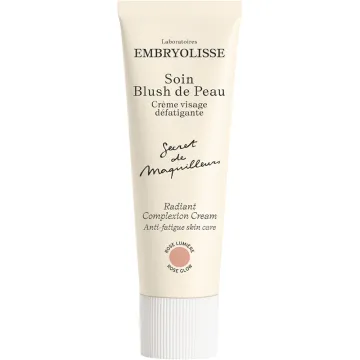
The first benefit is its blended, natural finish: the creamy texture blends seamlessly with foundation and provides a look that closely matches the skin’s natural tone. The second benefit is its comfort on dry or mature skin: it hydrates and doesn’t accentuate fine lines or dry patches, unlike powder, which can settle into them. The third benefit is how easy it is to apply with your fingers: simply dab a small amount onto your cheekbones and gently pat to blend the product into your skin—no brush required. A fourth benefit is its very realistic “pinched cheek” effect, which is particularly appealing for minimalist routines and “no-makeup” looks. One limitation to be aware of: it sometimes doesn’t last as long as powder, so you can compensate by layering on powder blush in a similar shade for long days.
The choice of brush directly affects the finish, blending, and precision of application. A good brush will last for years with regular care.
Opt for a brush with soft, dense bristles that’s medium-sized (not too wide to maintain precision on the cheekbones), with a rounded or slightly angled shape depending on the desired effect. The soft bristles allow for even application without scratching the skin and make blending easy. The density ensures good powder pickup and controlled pigmentation. For cream or liquid blushes, opt instead for a dual-fiber brush or a soft makeup sponge. For liquid blushes, some users prefer applying with their fingers for maximum blending. Regular brush care (weekly washing with warm water and mild soap, then drying flat) prevents the buildup of bacteria that could contribute to skin breakouts and preserves the precision of the bristles.