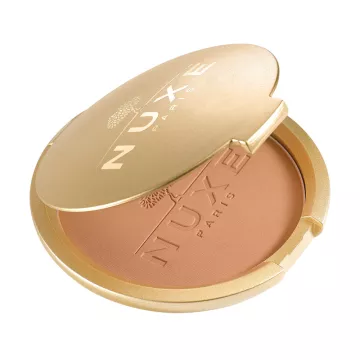
Matte-finish powder is a finishing cosmetic product designed to reduce facial shine caused by excess sebum. It provides a matte, even finish—particularly popular among those with combination and oily skin—and helps makeup stay in place all day long.
It works primarily byhaving mineral powders (talc, silica, rice starch, cornstarch, kaolin)absorb sebum; these powders capture surface oil and visually neutralize it. Some formulas also include technical polymers that enhance the mattifying effect and visually smooth the skin’s texture. Mattifying powder is one of the key products in the line designed for oily skin and completes the daily makeup routine.
Choosing a mattifying powder depends as much on your skin type as on your aesthetic preferences. An unsuitable product can accentuate dryness or, conversely, create an unflattering “cakey” effect.
For oily skin, opt for non-comedogenic formulas containing silica or absorbent powder, which control shine without clogging pores. For combination skin, choose balancing powders that mattify the T-zone without drying out drier areas. For sensitive skin, opt for hypoallergenic formulas with a short INCI list, free of fragrance and irritating preservatives. When it comes to shade, opt for translucent or very lightly tinted powders that suit all skin tones, or choose a shade close to your natural skin tone for a more defined finish. Always test in natural light before purchasing—never under artificial lighting, which can alter how the shade appears.
The two types of mattifying powder serve distinct purposes. The choice depends on your lifestyle and the context in which you’ll use it.
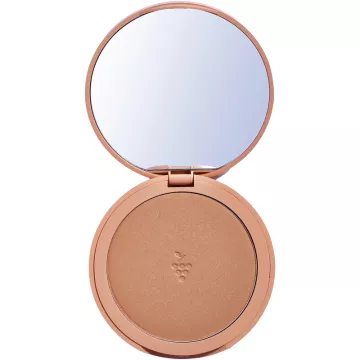
Compact powder comes in a hard case, making it easier to carry and ideal for touch-ups throughout the day. It often includes a sponge or mini brush and offers buildable coverage depending on how heavily it’s applied. Its denser texture provides more pronounced hold for your makeup. Loose powder, sold in a jar with a sifter, offers a lighter application and a more natural finish, which is particularly popular among those who prefer a subtle finish or have mature skin. It requires a suitable brush (a large, soft, domed brush) and isn’t well-suited for on-the-go use. Many users combine the two: loose powder at home for the initial application, and compact powder in their purse for touch-ups.
Applying a thin layer is the golden rule. Too much powder creates a “mask-like” effect that makes the face look stiff and can, paradoxically, highlight imperfections.
Apply mattifying powder after foundation and concealer, on well-moisturized and prepped skin. Use a large, soft dome-shaped brush or a sponge for compact powder, using gentle circular motions. Focus the application on the T-zone (forehead, sides of the nose, chin), which naturally produces more sebum, and use less on the cheeks, which often don’t need to be mattified. Tap off any excess powder from the brush onto the back of your hand before applying to avoid using too much. Build up the coverage gradually with very light layers, rather than applying a single thick layer. This method helps your makeup last longer and minimizes shine for several hours.
Mattifying powder offers several tangible benefits for your makeup routine. Its advantages are particularly evident in situations where shine and perspiration are a concern (heat, air conditioning, long days).
First benefit: a visible reduction in shine on the T-zone and a more even, natural-looking finish. Second benefit:improved makeup staying power by setting foundation and concealer, which better resist sweat and sebum. Third benefit: a blurring effect on visible pores thanks to the very fine reflective particles found in some recent formulas. Fourth benefit: some help in controlling blemishes by absorbing excess sebum that can clog pores. A limitation to be aware of: mattifying powder does not treat the root cause of excessive sebum production, which may stem from a hormonal imbalance, an inappropriate skincare routine, or environmental factors.
For users who want to limit synthetic ingredients, several more natural alternatives exist. Their effectiveness varies depending on sebum levels and climate.
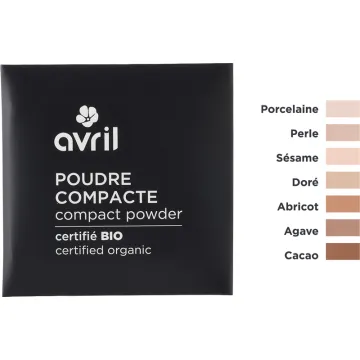
Cornstarch andrice starch are natural absorbent powders that have long been used in artisanal cosmetics; they effectively absorb sebum without clogging pores. Kaolin (a very fine white clay) is another mineral absorbent valued for its gentleness and suitability for sensitive skin. Natural silica, found in many certified organic formulas, offers mattifying properties similar to those of synthetic silicas. Several organic makeup brands now offer certified mattifying powders (ECOCERT, COSMEBIO, COSMOS) made with these ingredients, with performance now comparable to that of conventional products. Note: “natural” does not mean “allergy-free”; a preliminary skin test is still recommended for those with atopic skin.
Using a mattifying powder is one of the most effective ways to make makeup last longer. It works through several complementary mechanisms.
The powder sets the foundation and concealer by absorbing residual moisture from the liquid formulas, which “seals” them to the skin and prevents them from shifting throughout the day. It neutralizes the sebum produced throughout the day by absorbing surface oil, which prevents the makeup from “melting” or smudging. Finally, it creates a uniform, matte finish that provides a better base for any touch-ups. To maximize this hold, apply a mattifying primer before foundation to the shiniest areas, and build up the coverage in thin layers. A setting spray as a finishing touch completes the look for even the longest days.
Yes, mattifying powder can definitely be used without foundation on top, on bare skin or simply moisturized skin. This approach is ideal for minimalist routines and casual days.
In this simplified application, the powder acts as a lightweight finisher: it reduces visible shine, discreetly blurs pores, and provides a more polished finish without masking the skin’s natural texture. It’s particularly well-suited for hot days, working from home, moderate exercise, or commutes when an extra layer would feel uncomfortable. Apply a small amount only to areas prone to oiliness (the T-zone) in a very thin layer, without spreading it over the entire face to maintain a natural look. If desired, finish with a hint of cream blush and a tinted balm for a quick and polished “no-makeup” look.
Frequent use of mattifying powder is not without skin-related consequences you should be aware of. A few common-sense rules will help maintain your skin’s balance.
Repeated use in thick layers can cause superficial dryness of the skin, particularly in non-oily areas where the powder isn’t necessary. Pores can become clogged if the powder is applied to skin that hasn’t been properly cleansed or when used with comedogenic products, which can lead to blackheads and minor blemishes. Some users may experience paradoxically oilier skin: the skin “compensates” for dryness by overproducing sebum. To minimize these effects: choose formulas suited to your skin type, apply in thin, targeted layers, and—most importantly— thoroughly remove makeup every evening (using the double-cleansing method), followed by an appropriate moisturizer. Paradoxically, well-hydrated skin produces less sebum and requires less mattifying powder.
Mature skin requires a specific approach to mattifying powder. Improper use can accentuate fine lines and dry patches rather than blurring them.
Opt for very fine, finely milled powders (labeled “ultra-fine” or “micro-fine”) that blend seamlessly into the skin without settling into expression lines. Choose formulas enriched with moisturizing agents (hyaluronic acid, glycerin) or containing very fine reflective particles to preserve a natural glow. Apply only to shiny areas (T-zone, sides of the nose) and avoid the eye area, nasolabial folds, and corners of the mouth, where powder tends to settle more noticeably. Apply with gentle tapping motions using a brush rather than circular motions, which can strip away foundation. Follow up with a regular eye care routine to maintain skin comfort over time.
The use of mattifying powder varies depending on the climate and environmental conditions. Adapting your routine to external conditions improves comfort and effectiveness.
In hot, humid climates, mattifying powder is particularly useful for absorbing excess sweat and sebum and preventing makeup from smudging. In these conditions, opt for humidity-resistant formulas and finish with a setting spray. In dry or cold climates, use it more sparingly: the skin tends to dry out, and applying too much mattifying powder can accentuate the tight, dry feeling. In these cases, opt for formulas enriched with moisturizing agents or choose a simple translucent loose powder as a finishing touch. During periods of prolonged air conditioning, moisturize your skin more frequently and mist it with thermal water throughout the day to counteract the resulting skin dehydration. The moisturizing selection offers products tailored to every situation.