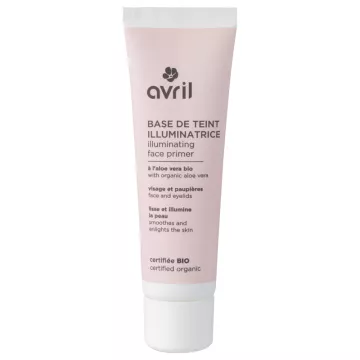
Organic makeup refers to a category of cosmetic products formulated primarily fromingredients sourced from certified organic farming, free of synthetic pesticides and controversial chemical additives. These formulations prioritize plant extracts, cold-pressed plant oils, naturally derived waxes, and mineral pigments.
Organic makeup emphasizes formulations that are gentler on the skin and the environment, often enriched with vitamins, antioxidants, and certified active ingredients. It is part of the broader family of organic and natural cosmetics and complements a comprehensive skincare routine that includes natural makeup removers and skincare products.
The decision to choose organic makeup is driven by three main, complementary reasons, which may be personal (skin tolerance) or societal (environmental impact, ethics). None of these reasons is absolute.
First, organic makeup limits exposure to certain controversial substances and favors minimalist formulations, which are beneficial for sensitive skin. Second, it helps reduce environmental impact through organic farming practices for plant-based raw materials, which require fewer chemical inputs. Finally, organic certifications are generally accompanied by ethical standards (origin, traceability, fairness), which align with a responsible consumption approach. Useful note: Since 2013, European Regulation EC 1223/2009 has prohibited animal testing for all cosmetic products sold in the European Union, whether organic or conventional.
Organic makeup offers several benefits that explain its steady growth over the past fifteen years. These benefits should be evaluated on a case-by-case basis depending on the specific formula, rather than applied across the entire category.
Three benefits are most commonly cited. Gentle on the skin: Well-formulated organic makeup avoids several sensitizing ingredients and prioritizes gentle bases, making it a suitable option for reactive skin.Natural effectiveness: Mineral pigments, iron oxides, and plant-based waxes provide satisfactory staying power and skin comfort, with a built-in “skincare” effect thanks to nourishing plant oils.Reduced environmental impact: fewer chemical inputs in crop production, fewer microplastics in certain formulas (not all of which are regulated yet), and a frequent focus on recyclable or refillable packaging. These benefits depend on the actual quality of the formula, which should be verified by checking the INCI list rather than relying solely on the “organic” label.
Not all products labeled “organic” or “natural” are equivalent: only certifications issued by independent organizations guarantee compliance with specific standards. Reading the label is essential.
The main certifications to look for are ECOCERT, a pioneering French organization in organic cosmetics certification; COSMEBIO, a French professional association that applies its label to products certified by an independent body; NATRUE, a rigorous international label of German origin; and the European COSMOS (COSMetics Organic Standard) standard, which harmonizes the requirements of ECOCERT, COSMEBIO, the Soil Association, BDIH, and ICEA. Beyond the logo, check the INCI list (ingredients of organic origin are generally marked with an asterisk), the percentage of ingredients of natural origin indicated on the packaging, and the name of the certifying body. A clear label is a good indicator of the manufacturer’s transparency.
The organic makeup market has become more established over the years, with a now extensive selection available in pharmacies, specialty stores, and online beauty retailers. Several criteria distinguish reputable brands from opportunistic products.
Rather than choosing a brand based on name recognition, it’s better to select based on objective criteria: the presence of at least one recognized certification label (ECOCERT, COSMEBIO, NATRUE, COSMOS), traceability of key ingredients (origin, cultivation method, supplier), a comprehensive product line that allows for the gradual replacement of conventional products, and clinically tested performance based on actual use. The complete selection of products available in France can be found in the ORGANIC category and in the dedicated organic makeup section.
The transition to organic makeup is a gradual process, without costly upheavals or aesthetic frustration. The approach of gradual replacement has proven effective.
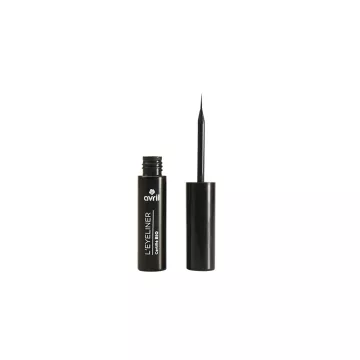
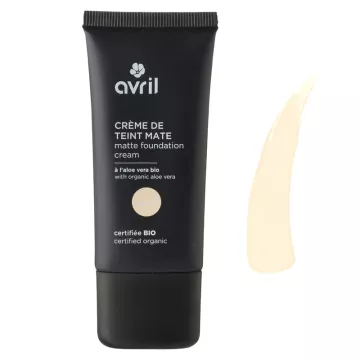
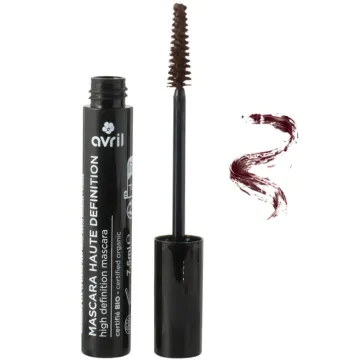
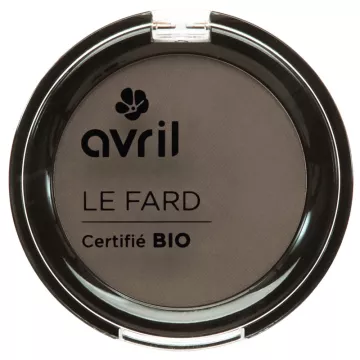
Start by replacing the products you use daily and that come into contact with the most sensitive areas: foundation, mascara, and lip care—products that are applied heavily and remain on the skin or mucous membranes for long periods. Test one product first before switching out your entire makeup bag to compare finish, staying power, and comfort. Then expand the process to include eyeshadows, blushes, and concealers, which are easier to replace because their formulations are more stable. Remember to choose a makeup remover that’s consistent with your routine: organic makeup can be easily removed with a plant-based oil or an organic balm. For more demanding skin types, the line designed for mature skin offers products enriched with targeted active ingredients.
The differences between organic and conventional makeup lie in several areas: formulation, sourcing, packaging, and regulatory standards. A few nuances are worth noting.
In terms of formulation, organic makeup excludes or restricts several categories of ingredients, such as non-biodegradable silicones, certain synthetic preservatives, synthetic fragrances, and petrochemical dyes. This does not mean that all ingredients in conventional makeup are dangerous: European Regulation EC 1223/2009 governs all cosmetics placed on the market and already restricts substances of concern. In terms of sourcing, organic standards require a minimum percentage of ingredients of natural and organic origin, depending on the chosen certification standard. When it comes to packaging, organic brands often invest in refillable containers or those made from recycled materials. Regardinganimal testing, the distinction has become less significant since the 2013 European ban, which applies to all cosmetics sold in the EU.
Organic makeup can be suitable for all skin types, provided you choose a formula tailored to your skin’s specific needs and characteristics. The label “organic” alone isn’t enough: the formulation matters just as much as the ingredients.
For sensitive skin, opt for formulas with a short INCI list, free of essential oils used for fragrance, free of added fragrances (even natural ones), and dermatologically tested. For dry skin, nourishing plant oils (jojoba, argan, rosehip) incorporated into organic foundations provide long-lasting comfort. For oily skin, opt for lightweight or mineral powder textures that are non-comedogenic. For combination skin, buildable and mattifying products tailored to specific areas yield good results. If you have atopic or highly reactive skin, you should perform a 48-hour patch test on the inside of your elbow beforehand, even for a certified organic product: “natural” and “organic” do not mean “hypoallergenic,” and the risk of an individual allergic reaction is never zero.
The coverage performance of organic makeup has improved significantly over the past decade. The gap with conventional makeup has narrowed, even though some technical differences remain.
Organic foundations, concealers, and powders now offer buildable coverage—ranging from a fresh, sheer finish to medium to full coverage—thanks to finely ground mineral oxides and optimized formulas. In terms of long-wear performance, certain conventional products enriched with occlusive silicones retain a slight advantage for very long-lasting wear or under extreme conditions (heat, sweat), a disadvantage that organic products compensate for by applying thin layers on top of one another, using a suitable primer, and applying a setting spray. Natural pigments allow for beautiful color palettes, though there is a slight limitation when it comes to highly saturated synthetic shades (such as certain electric reds and neon blues), which are more difficult to reproduce using plant- or mineral-based ingredients.
The market for organic products designed for mature skin has grown significantly. Several brands now offer complete skincare routines with active ingredients targeted at the visible signs of aging.
These products often containhyaluronic acid, plant oils with regenerative properties (rosehip, evening primrose, argan, and calophyllum), and botanical extracts traditionally associated with skin firmness and comfort for mature skin. The textures are formulated to avoid accentuating fine lines (preventing a powdery, cakey effect), featuring moisturizing foundations with a satin finish, luminous concealers for the under-eye area, and creamy, blendable eyeshadows. These cosmetic claims comply with Regulation (EC) No. 1223/2009 and are not equivalent to medical effects: they act on the skin’s surface and improve appearance without causing structural changes to the tissues.
Organic makeup products may have a shorter shelf life than their conventional counterparts because they contain fewer synthetic preservatives. A few simple rules will help preserve their quality.
Store away from direct light and heat, ideally in a cabinet or drawer at a stable room temperature. Close the containers tightly after each use to limit oxidation and bacterial contamination. Use clean brushes and sponges that are washed regularly, and avoid direct contact between your fingers and creamy products. Follow the PAO (Period After Opening) indicated on the packaging by a small open jar symbol with a number (6M, 12M, 24M depending on the product): mascara should ideally be used within 3 to 6 months after opening, foundation within 6 to 12 months, and powder within 12 to 24 months. Any visible changes (color change, unusual odor, separation) mean you should discard the product, even if it is still within its PAO.