A radiant complexion is rarely the result of a single product. It reflects a harmonious combination of internal factors (overall health, diet, sleep) and external factors (skincare routine, sun protection, environment).
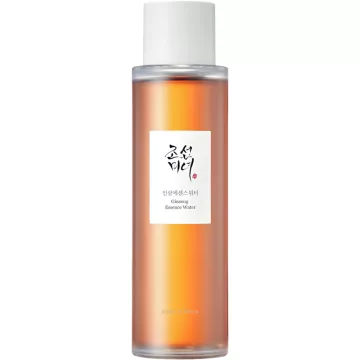
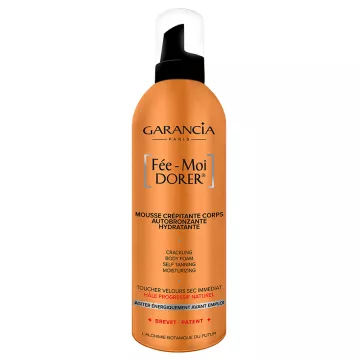
Several interrelated factors support skin radiance.Hydration of the body and skin, a balanced diet rich in fruits, vegetables, and essential fatty acids, a consistent skincare routine tailored to your skin type, and adequate protection against environmental damage (UV rays, pollution) are the fundamentals. Regular use of targeted skincare products (moisturizers, exfoliants, masks) as needed enhances these effects. The complete selection is available in the “Perfect Complexion” category, to be combined with a routine that revitalizes radiance over time.
Several leading cosmetic active ingredients have proven effective in supporting skin radiance. Incorporating them into a regular regimen yields visible results within a few weeks.
Stabilized vitamin C (L-ascorbic acid, ascorbyl glucoside, tetrahexyldecyl ascorbate) is a powerful antioxidant that brightens the skin’s texture and reduces dark spots. Retinol and other cosmetic retinoids stimulate cell turnover; they are photosensitizing and require strict sun protection.Hyaluronic acid plumps the skin and improves its surface appearance. Niacinamide regulates sebum production, reduces redness, and evens out the complexion with excellent tolerability. Plant-based antioxidants (polyphenols, vitamin E, resveratrol) protect cells against oxidative stress. Always choose formulas suited to your skin type to avoid irritation and maximize benefits.
Nutrition acts as a foundation for skin radiance. Its effects build up over several weeks to several months.
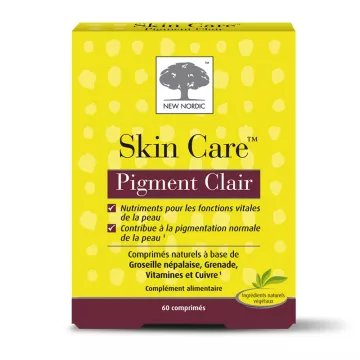
A diet rich in vitamins, minerals, and antioxidants prevents cellular damage caused by oxidative stress. Berries (blueberries, raspberries, pomegranates) provide polyphenols and vitamin C. Fatty fish (salmon, mackerel, sardines), which are sources of omega-3s, nourish the skin and support the fluidity of cell membranes. Walnuts and almonds provide vitamin E and essential fatty acids. Dark leafy greens (spinach, kale, Swiss chard) are rich in beta-carotene, folate, and vitamin C. Supplement this with adequate daily hydration (generally 1.5 to 2 liters of water per day for an adult), which supports the skin’s radiance from within. A pharmacist can recommend targeted nutricosmetic supplements if the treatment plan warrants it.
Sleep is one of the most powerful and least expensive ways to achieve a radiant complexion. Cell regeneration occurs primarily at night.
During deep sleep, the skin repairs damage accumulated throughout the day and activates cell renewal processes. Quality sleep also regulates the hormones involved in maintaining the skin barrier and the hydrolipidic film. Conversely, chronic sleep deprivation visibly results in a dull complexion, the appearance of pronounced dark circles, and more pronounced signs of fatigue. A reasonable goal is between 7 and 9 hours of sleep per night for most adults, adjusted according to age and lifestyle. Prioritize good sleep hygiene: maintain a regular schedule, turn off screens in the evening, keep the bedroom cool and dark, and eat a light dinner early.
Chronic stress visibly affects the quality of the complexion through several physiological mechanisms. Managing stress is an integral part of a comprehensive strategy for a radiant complexion.
Prolonged cortisol release can increase sebum production, weaken the skin barrier, exacerbate prone-to-breakout skin, and contribute to a tired complexion. Stress also promotes low-grade skin inflammation and can trigger or worsen acne or eczema flare-ups in sensitive skin types. To manage stress, incorporate calming practices: meditation, yoga, mindful breathing exercises, walking outdoors, and regular physical activity. Medical care or psychological support may be appropriate if there are lasting effects on overall health.
Your skin changes with the seasons, and your skincare routine should adjust accordingly. Your skin’s needs are different in the middle of winter than they are in the height of summer.
In winter, the cold, wind, and indoor dryness (from heating) dehydrate the skin. Opt for richer products: nourishing creams, balms, plant-based oils, and intensive hydrating masks. Step up your routine for sensitive skin areas. In summer, opt for lighter products: serums, gels, and mists; step up sun protection (SPF 30 to 50+ is a must, even in the city). During the transitional seasons (spring, fall), this is the ideal time for more active treatments (vitamin C serums, gentle AHAs, cosmetic retinoids).Regular exfoliation remains beneficial year-round, at an appropriate frequency. The sun care category offers solutions tailored to each season.
Regular physical activity visibly improves the quality of your complexion. It primarily affects skin microcirculation and overall metabolism.
Anymoderate-intensity endurance exercise is suitable: brisk walking, running, cycling, swimming, hiking, and dynamic yoga. The goal is to increase blood flow to the skin, which delivers oxygen and nutrients to skin cells and supports lymphatic drainage. The standard recommendation is about 30 minutes of moderate activity most days of the week, to be adjusted according to your fitness level and medical condition. Precaution: Remove makeup before exercising to avoid clogging sweat pores, shower quickly after your workout, and apply sunscreen if you’re exercising outdoors. Conversely, physical activity that is too intense or prolonged can increase oxidative stress and requires appropriate antioxidant nutrition.
Exfoliation removes dead skin cells that have accumulated on the surface and reveals fresher-looking skin. When done in moderation, it also improves the absorption of moisturizing and nourishing skincare products.
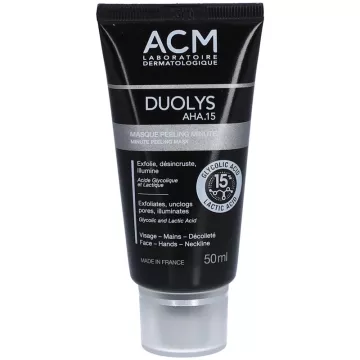
For sensitive skin, opt for gentle acid-based exfoliants (glycolic acid, lactic acid, mandelic acid) applied once or twice a week. For other skin types, exfoliation can be done up to twice a week, or even three times for very reactive oily skin. BHAs (salicylic acid) are particularly well-suited for blemish-prone skin because they penetrate the pores. Enzymatic exfoliants (papain, bromelain) offer a very gentle alternative for reactive skin types. Always follow up with intense hydration and strict sun protection in the days that follow. The “Gentle Peels and Exfoliants” selection includes useful products.
Face masks provide occasional intensive care that usefully complements your daily routine. Their benefits stem from their high concentration of active ingredients and extended application time.
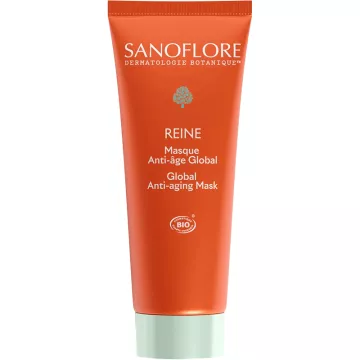
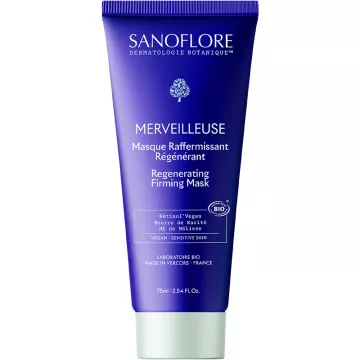
Depending on your needs, there are several categories of masks to choose from. Hydrating masks (formulated with hyaluronic acid, glycerin, and aloe vera) deeply hydrate dry skin and visibly plump it up. Purifying masks (white clay, charcoal, green clay) absorb excess sebum and unclog pores, making them ideal for oily skin. Revitalizing masks (vitamin C, niacinamide, peptides, ferment extracts) infuse the skin with antioxidants and promote a radiant complexion. Soothing masks (chamomile, panthenol, allantoin) calm irritated or sensitive skin. Using a suitable mask once or twice a week delivers visible results without overburdening the skin. You can also try “multimasking” by applying a different mask to different areas of the face.
Daily sun protection is likely the most important step in maintaining a radiant complexion over time. UV rays are responsible for the majority of visible signs of skin aging.
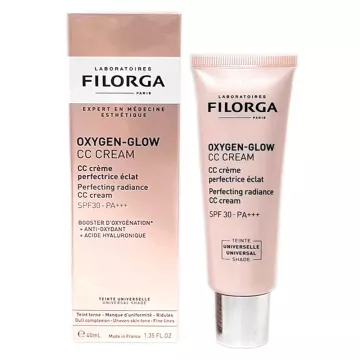
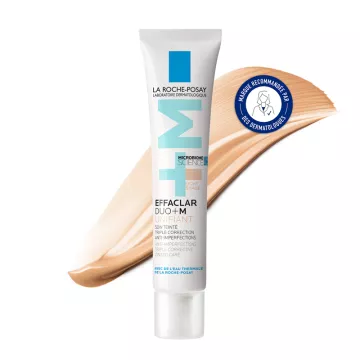
Unprotected sun exposure causes photoaging, dark spots, loss of elasticity, and loss of radiance. Apply a broad-spectrum (UVA and UVB protection) sunscreen with SPF 30 to 50+ every morning, even on cloudy days, even in winter, and even indoors near a window. Reapply every two hours during prolonged direct sun exposure, and after swimming or heavy sweating. For simplified routines, a tinted moisturizer with built-in SPF combines skincare, light coverage, and protection. The sun care selection includes products suitable for all skin types and usage conditions.
Hydration is essential for the skin’s appearance. It works both deep within the skin (elasticity, suppleness) and on the surface (radiance, comfort).
Internally, drinking enough water supports healthy cellular metabolism and the quality of skin tissue. The standard recommendation is about 1.5 to 2 liters per day for an adult with moderate activity levels, to be adjusted based on heat, exercise, and medical conditions. Externally, use moisturizing topical products suited to your skin type, morning and night. Key active ingredients include hyaluronic acid, glycerin, ceramides, squalane, low-concentration urea, and fine plant oils. Spraying thermal water throughout the day complements hydration, especially during prolonged exposure to air conditioning. The “Hydration” category brings together the corresponding pharmacy selections.