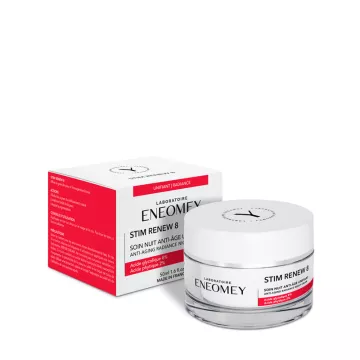
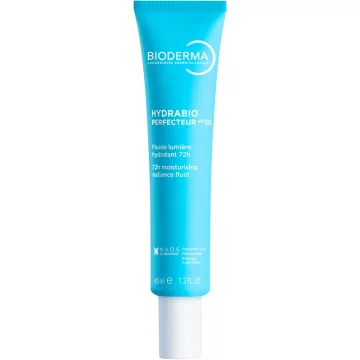
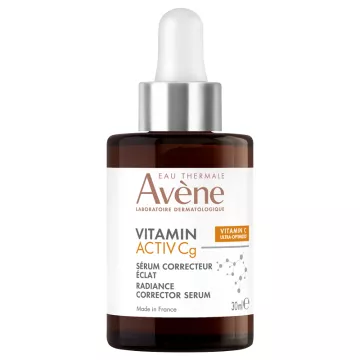
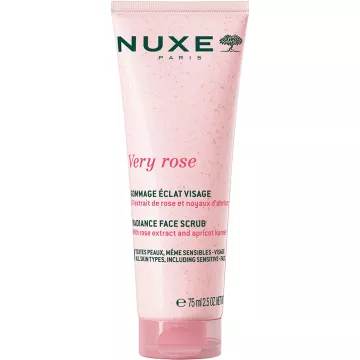
A dull complexion is most often the result of a combination of cumulative factors: skin dehydration, lack of sleep, an unbalanced diet, repeated sun exposure without protection, smoking, and chronic stress. Pollution and airborne particles can accumulate on the skin’s surface and slow down the skin’s natural renewal process, which affects how the skin reflects light.
A complexion that suddenly becomes dull for no apparent reason, or that is accompanied by other symptoms (severe fatigue, prolonged paleness, yellowing), may indicate an underlying medical condition (anemia, thyroid disorder, liver damage). In this case, a medical consultation is recommended.
A dull complexion is characterized by a lack of radiance, skin that looks tired—sometimes gray or yellow—and a texture that appears less smooth when held up to the light. The forehead, cheekbones, and chin appear less luminous than usual. A slight loss of suppleness and evenness may also be observed. This condition is generally temporary and reversible with an appropriate skincare routine and healthier lifestyle habits.
Several professional treatments may be recommended by a dermatologist or aesthetic physician: chemical peels, microdermabrasion, antioxidant-enriched treatments, and LED therapy. These procedures fall under the medical or paramedical field: they must be performed by qualified practitioners following an evaluation of the skin and any potential contraindications.
Before any invasive or semi-invasive procedure, a preliminary consultation is essential to assess the appropriateness of the treatment, explain the expected benefits, possible side effects (redness, peeling, transient photosensitivity), and any contraindications (pregnancy, breastfeeding, specific medical history).
A few simple preparations can provide comfort and a noticeable improvement in the skin’s radiance:
These approaches are a pleasant complement to your skincare routine, but they are not a substitute for a structured skincare regimen. Always perform a patch test before applying a new ingredient, especially if you have reactive or allergic skin.
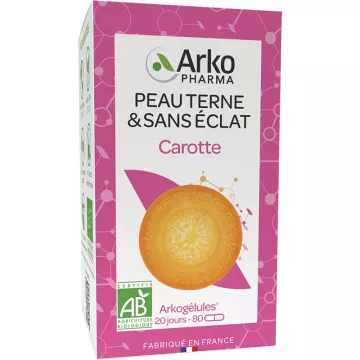
A varied diet rich in antioxidants contributes to overall skin health. Colorful fruits and vegetables (berries, citrus fruits, leafy greens, tomatoes, carrots) provide vitamins, polyphenols, and carotenoids. The essential omega-3 fatty acids found in fatty fish, flaxseeds, chia seeds, and nuts help maintain skin suppleness.
Conversely, a highly processed diet high in simple sugars and low in micronutrients can make the skin look duller over time. Quitting smoking is also one of the most effective ways to restore the skin’s natural radiance.
In the morning:
Evening:
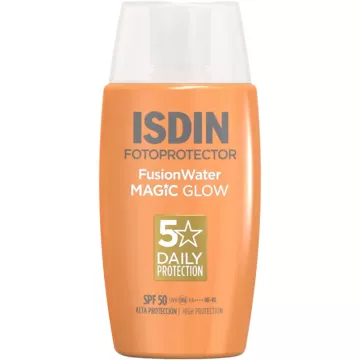
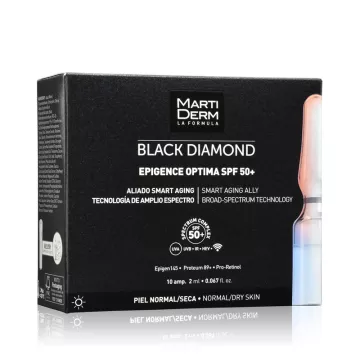
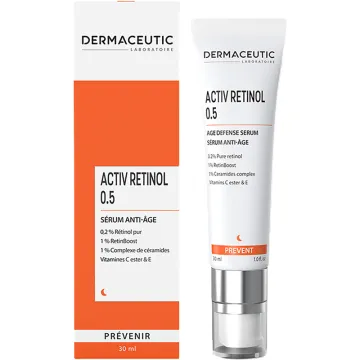
Important: Any exfoliating active ingredient (AHA, BHA, retinol) causes photosensitivity and requires consistent use of sunscreen during the day.
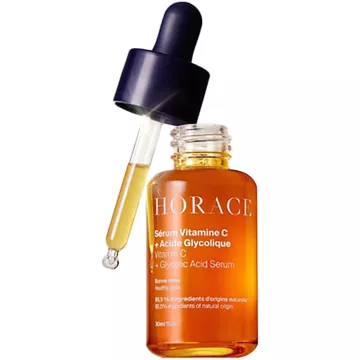
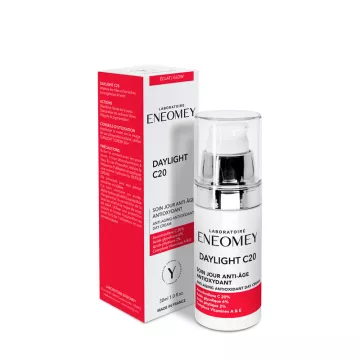
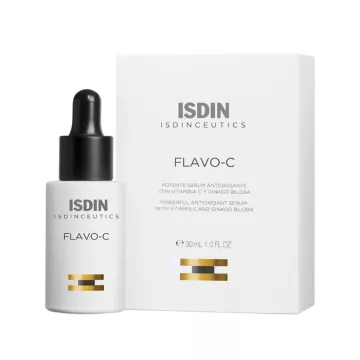
Several cosmetic active ingredients are known for their ability to enhance the skin’s radiance:
Combining these active ingredients requires consistency and a gradual approach: avoid using multiple exfoliants or irritating ingredients on the same night, and always follow up with intensive moisturization.
Chronic stress affects skin health through several mechanisms: impairment of the skin barrier, hormonal imbalances, poorer sleep quality, and compensatory behaviors (smoking, alcohol, an unbalanced diet). Collectively, these factors can contribute to a dull, tired complexion.
To minimize this impact, incorporate moments of relaxation into your daily routine: deep breathing, yoga, meditation, walking outdoors, and regular physical activity. If stress becomes debilitating, disrupts sleep, or is accompanied by other symptoms, a medical or psychological consultation is recommended.
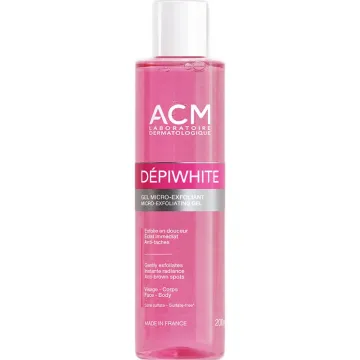
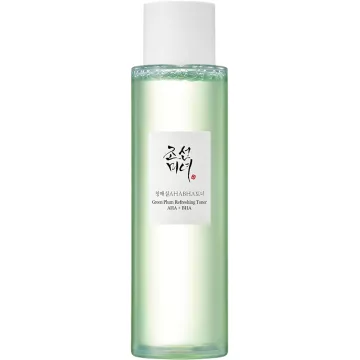
Exfoliants help remove dead skin cells from the outermost layer of the skin (the stratum corneum), which helps reveal a more radiant complexion and a smoother skin texture. There are two main types:
The frequency depends on individual tolerance: generally 1 to 3 applications per week, used alternately and never combined on the same evening with other irritating active ingredients. Daily sun protection is essential, as exfoliants can make the skin more sensitive to the sun.
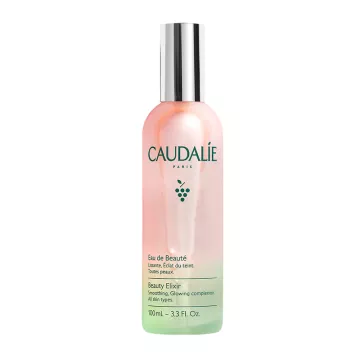
Thermal waters are rich in minerals and trace elements (silicon, selenium, calcium, and magnesium, depending on the source). When sprayed onto the face, they provide an immediate cooling sensation and prepare the skin for subsequent skincare products.
It can be used several times a day, especially after cleansing, after exposure to pollution or indoor heating, and before applying skincare products. Well-tolerated, it is suitable for most skin types, including sensitive skin.
Sleep is one of the key moments in the skin’s physiological renewal process. Quality sleep (an average of 7 to 9 hours for an adult) supports the skin’s natural regeneration and promotes a more rested complexion. Conversely, insufficient or poor-quality sleep contributes to a dull complexion, more pronounced dark circles, and skin that looks tired.
To promote restful sleep: go to bed at regular times, limit screen time and blue light in the evening, avoid heavy meals late at night, and sleep in a cool, dark room. A silk or satin pillowcase can reduce skin friction during the night.
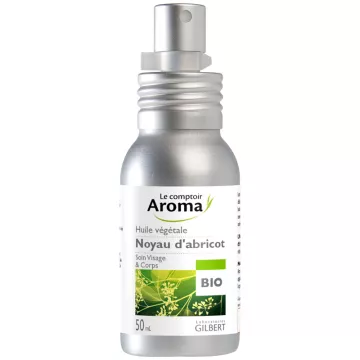
Jojoba oil is actually a liquid wax whose ester composition is similar to that of human sebum. This characteristic means it is generally well-tolerated by most skin types, including combination to oily skin, without promoting the formation of blackheads.
Rich in vitamin E and antioxidants, it provides a nourishing and softening effect that contributes to the skin’s comfort and smooth appearance. Apply a few drops in the evening, after your serum and before your moisturizer, or mix it with your usual moisturizer for an occasional boost of radiance. If you have sensitive skin, test it on a small area before first use.