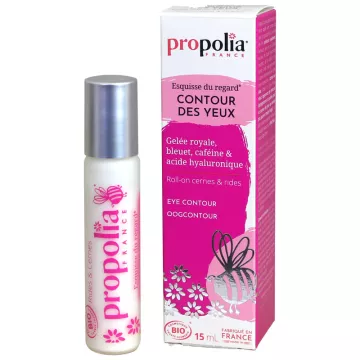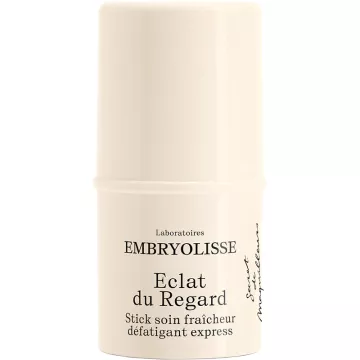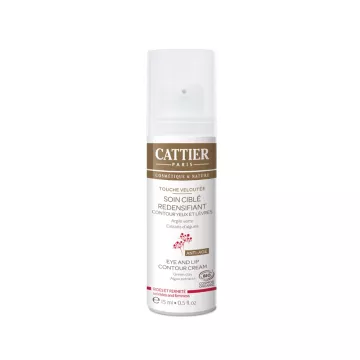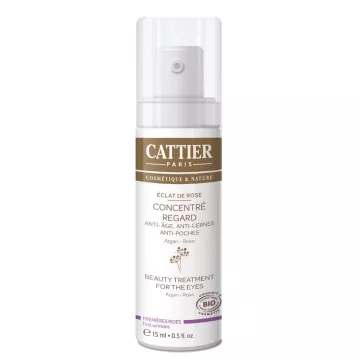
Dark circles are not a homogeneous condition—three distinct mechanisms require different treatments. Vascular dark circles (blue-violet) result from suborbital venous stasis visible through the thin periorbital skin—they worsen with fatigue and cold. Pigmentary dark circles (brown-ochre) are linked to constitutional or post-inflammatory hyperpigmentation of the periorbital epidermis—common in people with darker skin tones. Structural dark circles (grayish, sunken) result from the thinning of suborbital adipose tissue with age, which creates a shadow—they require a volumizing approach rather than depigmenting treatments.
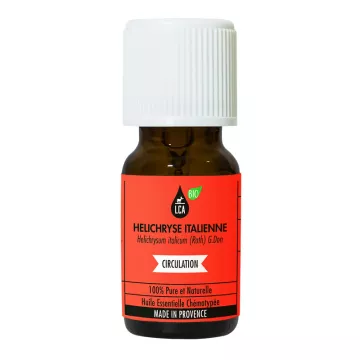
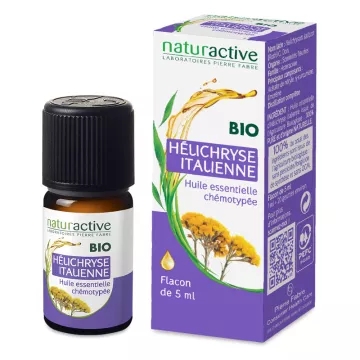
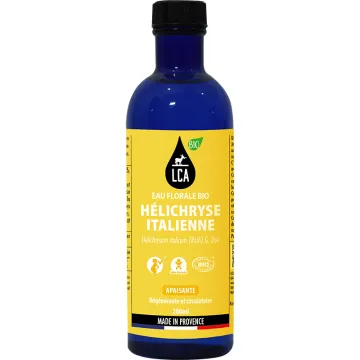
Italian helichrysum essential oil (Helichrysum italicum, CT italidiones) is the most well-documented aromatherapeutic active ingredient for vascular stasis. Its italidiones activate local fibrinolysis and accelerate the resorption of chronic suborbital microhematomas responsible for vascular dark circles. Its action, which improves venous return, reduces blood stagnation. Application: 1 drop diluted to 10–20% in a vegetable oil (jojoba or argan), applied with gentle tapping motions morning and evening—always after performing a skin tolerance test.
Quercetin (200 to 500 mg/day) inhibits phosphodiesterase, strengthening the tight junctions between capillary endothelial cells—thereby reducing the micro-bleeds responsible for chronic suborbital bluish discoloration. It also inhibits hyaluronidase, an enzyme that breaks down the perivascular matrix and exacerbates capillary permeability. Supplementation for 8 to 12 weeks is necessary to observe an effect on chronic vascular dark circles.
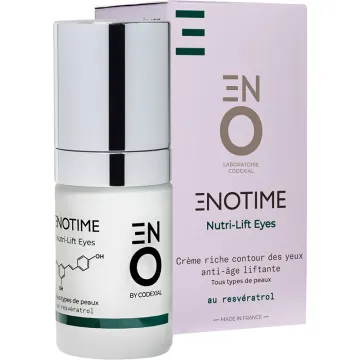
Resveratrol activates SIRT1 and Nrf2, reducing the accumulation of advanced glycation end products (AGEs) in the periorbital dermis—which are responsible for the grayish, dull appearance of mature skin under the eyes. Coenzyme Q10 (ubiquinol, 100–200 mg/day) supports the mitochondrial respiratory chain in the cells of the periorbital microcirculation—its concentration decreases with age, exacerbating local vascular stasis. The two combine ideally to address structural and vascular dark circles in mature skin.
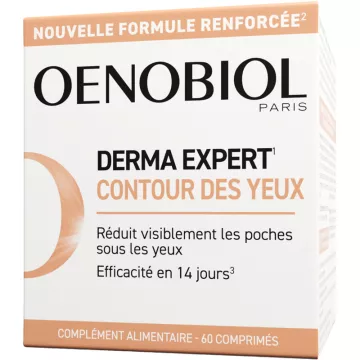
Vitamin C is the most versatile active ingredient for treating dark circles: it inhibits tyrosinase in pigmentary dark circles and strengthens type IV capillary collagen in vascular dark circles—reducing the micro-leaks responsible for the bluish discoloration. Whether applied topically (5–15% ascorbyl glucoside) or taken orally (500 mg/day), its effectiveness for both mechanisms is well-documented. Vitamin B12, a cofactor in cellular methylation, is included in “eye contour” supplements for its effect on periorbital cellular energy and the nighttime recovery of microcirculation.
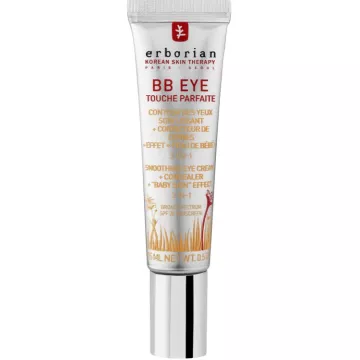
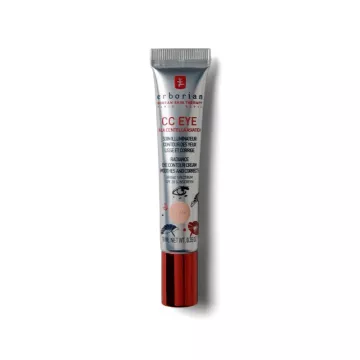
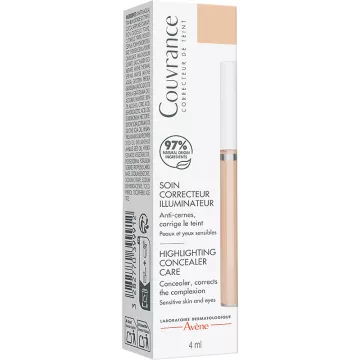
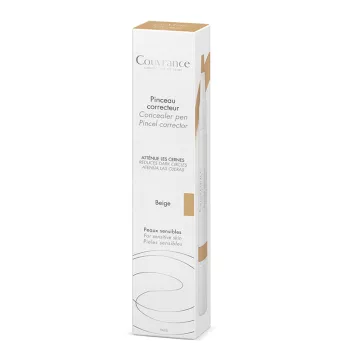
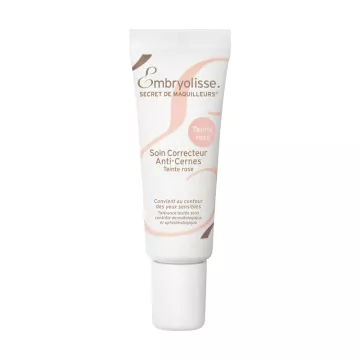
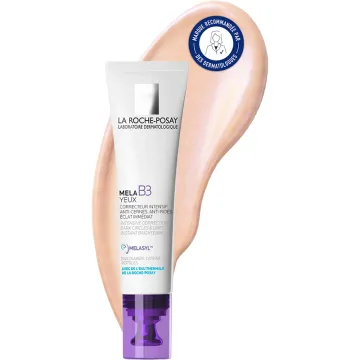
Concealer is the immediate solution to complement active treatments. The principle of color correction: a salmon-apricot concealer (warm tones) neutralizes bluish, vascular dark circles using the color wheel (blue + orange = neutral) before applying foundation. A flesh-beige concealer covers pigmented dark circles without prior neutralization. BB Cream (such as Erborian BB Eye) combines light coverage with active skincare (hyaluronic acid, plant extracts)—ideal for mild dark circles in everyday use. The key technique: apply by gently patting with your ring finger (using the lightest possible pressure on the delicate skin around the eyes), never by spreading horizontally.