Dull skin is most often the result of a combination of cumulative factors: skin dehydration, buildup of dead skin cells on the surface, exposure to pollutants, chronic stress, an unbalanced diet, and lack of sleep. An inappropriate skincare routine and repeated sun exposure without protection are also major factors contributing to a loss of radiance. A complexion that suddenly becomes dull, or is accompanied by unusual signs (prolonged paleness, yellowing, or marked fatigue), may indicate an underlying medical condition: in such cases, a medical consultation is recommended.
A varied diet rich in vitamins, minerals, and antioxidants generally supports skin health. Foods to prioritize:
Conversely, a highly processed diet, rich in simple sugars and low in micronutrients, can accentuate a dull complexion. Limitingalcohol and quitting smoking are among the most effective steps to preserve a radiant complexion over time.
In addition to a balanced diet, certain marine collagen or peptide supplements may be considered as nutricosmetic support for the skin—particularly for mature skin—after consulting a pharmacist or doctor to ensure there are no contraindications.
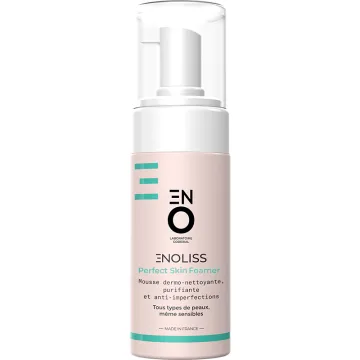
An effective skincare routine combines four key elements:
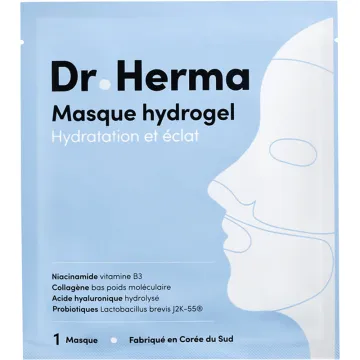
Occasional use of hydrating or brightening masks (1 to 2 times a week) can complement this routine for quick visible results.
Several cosmetic active ingredients are known for their radiance-boosting effects:
All exfoliating active ingredients (AHAs, BHAs, retinoids) cause skin photosensitivity, making daily sun protection essential.
A balanced lifestyle is one of the most powerful factors influencing skin quality:
For faster, visible results, a dermatologist or aesthetic physician may recommend several professional procedures: chemical peels, microdermabrasion, lasers, intense pulsed light (IPL), LED therapy, and mesotherapy. These approaches fall within the medical or paramedical field and require a preliminary consultation to assess their suitability, the expected benefits, possible side effects (redness, peeling, temporary photosensitivity), and contraindications (pregnancy, breastfeeding, specific medical history).
Well-hydrated skin better maintains its comfort, suppleness, and the strength of its skin barrier. Loss of hydration is one of the primary causes of a dull complexion, fine lines caused by dehydration, and a tired appearance. Using a moisturizer suited to your skin type morning and night, along with a healthy lifestyle, is a long-term cornerstone of a radiant skincare routine.
Internal hydration (water, unsweetened herbal teas, water-rich foods) complements topical hydration. No miracle cure can replace a consistent daily routine.
Exfoliation helps remove dead skin cells from the outermost layer of the skin, revealing a more luminous complexion and enhancing the absorption of subsequent skincare products. There are two main types:
Recommended frequency: 1 to 2 times a week for most skin types. Do not use multiple exfoliants on the same night.
Face masks provide an occasional boost to your skincare routine:
Once or twice a week is more than enough. Follow the recommended application time and moisturize the skin afterward.
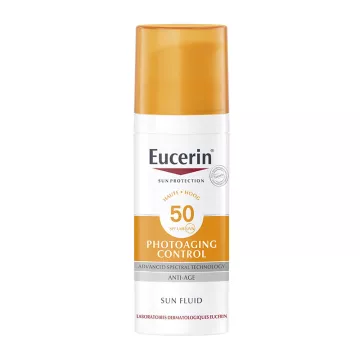
Daily sun protection is the number one anti-aging step. UVA and UVB rays are the leading cause of photoaging: dark spots, wrinkles, loss of elasticity, and a less radiant complexion. Apply a broad-spectrum sunscreen with SPF 30 to 50 every morning—even in winter and on cloudy days—using a sufficient amount (about 2 mg/cm², or one teaspoon for the face and neck), and reapply during prolonged outdoor exposure.
Pollution exposes the skin to fine particles, heavy metals, and oxidizing substances that can compromise the skin barrier, contribute to low-grade chronic inflammation, and accelerate photoaging. Ozone, PM2.5 particles, and hydrocarbons are particularly implicated in the loss of radiance in urban areas.
To minimize these effects: cleanse the skin thoroughly every evening (double-cleanse in polluted environments or when wearing makeup), use skincare products enriched with antioxidants (vitamin C, vitamin E, polyphenols), and always apply sunscreen in the morning. Internally, a diet rich in plant-based antioxidants (berries, citrus fruits, green tea, grapes) supports the body’s overall antioxidant defense.
Chronic stress leads to a prolonged increase in cortisol, which can disrupt hormonal balance, impair the skin barrier, and contribute to various skin concerns (breakouts, increased sensitivity, and an uneven complexion). It can also impair sleep quality, another key factor in well-rested skin.
To mitigate these effects: incorporate daily breaks (deep breathing, meditation, yoga, walking outdoors), engage in regular physical activity, and support a good night’s sleep. Certain adaptogenic or soothing herbs (rhodiola, hawthorn, passionflower, valerian) are traditionally used to help manage periods of stress; consult a healthcare professional when selecting them. In cases of debilitating stress or persistent symptoms, a medical or psychological consultation is recommended.
Sleep is one of the key moments in the skin’s physiological renewal. During the night, skin microcirculation and cellular repair processes follow their natural cycles, contributing to a well-rested complexion upon waking. Insufficient or poor-quality sleep quickly results in a duller complexion, more pronounced dark circles, and skin that looks tired.
To support restful sleep: maintain a regular sleep schedule, limit screen time in the evening, and keep your bedroom cool and dark. A nighttime skincare routine containing restorative active ingredients (peptides, niacinamide, ceramides) can support this natural process.
The choice depends on your skin type and your specific goals:
If in doubt or if you have sensitive skin, consult a dermatologist or pharmacist to establish a suitable skincare routine.
To maintain a radiant complexion every day: