Chronic stress visibly affects the quality of the complexion through several physiological mechanisms. Managing stress is an integral part of a strategy for achieving and maintaining a radiant complexion.
Prolonged cortisol release during times of stress weakens the skin barrier, can increase sebum production, exacerbate areas prone to breakouts, and contribute to a tired-looking complexion. Stress also disrupts restorative sleep—a period essential for cellular regeneration—and promotes low-grade skin inflammation. To counter these effects, incorporate calming practices into your daily routine: meditation, yoga, mindful breathing exercises, walking outdoors, and good sleep hygiene (7 to 9 hours for most adults). Stress management and sleep quality are two major—and all too often overlooked—factors in achieving a radiant complexion.
Several naturally derived ingredients are known to support skin radiance. Their benefits are best appreciated as a complement to a structured skincare routine, never as a standalone substitute.
Honey, known for its moisturizing and softening properties, works well in homemade face masks for healthy skin.Aloe vera, which is soothing and hydrating, supports sensitive or irritated skin. Turmeric, used in Ayurvedic medicine, is incorporated into certain skincare formulations to promote skin comfort.Rosehip oil is valued for its essential fatty acids and its role in skin regeneration. Important precaution: “natural” does not mean “risk-free”; a patch test is still recommended, and certain ingredients—such as lemon—should not be applied directly to the skin due to their photosensitizing effects and the risk of phytophotodermatitis.
Certain dietary supplements can support skin health, though they are neither a miracle cure nor a substitute for a consistent skincare routine and healthy lifestyle. Their effects build up over time, ranging from several weeks to several months.
The most well-studied antioxidants include vitamin C, which contributes to the normal formation of collagen necessary for normal skin (EFSA claim); vitamin E, which contributes to the protection of cells against oxidative stress; and beta-carotene, a precursor to vitamin A. Omega-3s derived from fish oils or algae support the quality of the hydrolipidic film and skin suppleness. Zinc helps maintain normal skin, which is beneficial for those with blemish-prone skin. There is a growing body of literature on the effects of oral hydrolyzed collagen on skin elasticity; this should be distinguished from topical cosmetic collagen, which does not penetrate the epidermis. Any treatment regimen should be discussed with a pharmacist or doctor, particularly in cases of long-term treatment or known medical conditions.
Regular exfoliation removes dead skin cells that have accumulated on the surface, revealing fresher, more radiant skin. However, it should be done in moderation to avoid weakening the skin barrier.
The frequency depends on your skin type. For normal to oily skin, exfoliating once or twice a week with a mild acid (AHA, BHA) yields good results. For sensitive skin, a gentle weekly exfoliation using an enzymatic scrub or a highly diluted peel is preferable. Always follow exfoliation with intense moisturization to maintain skin comfort and with strict sun protection in the days that follow, as exfoliating acids make the skin more sensitive to UV rays. Over-exfoliation (more than twice a week, or the combined use of AHAs, BHAs, and retinoids) weakens the skin barrier and can, paradoxically, dull the complexion.
Your choice of makeup directly influences the appearance of your complexion. A few simple principles can help enhance your natural radiance rather than dull it.
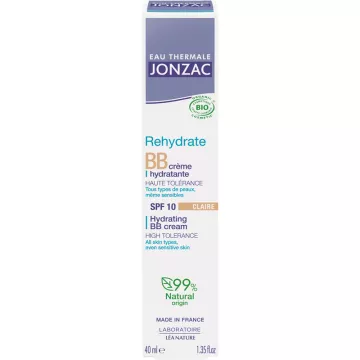
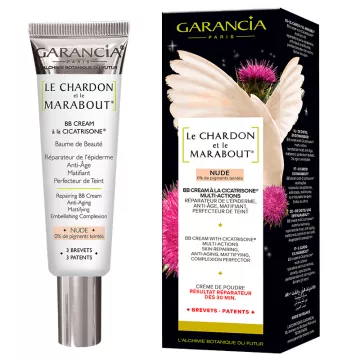
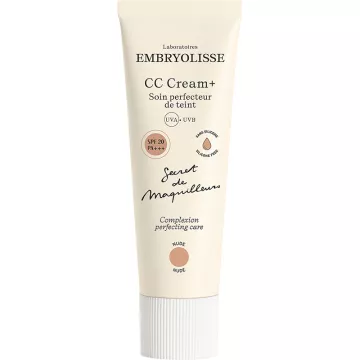
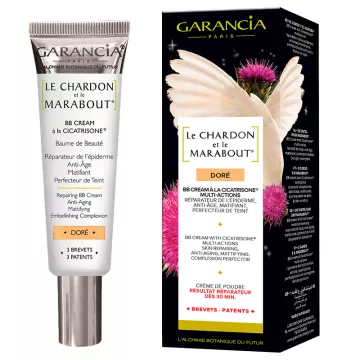
Opt for moisturizing foundations and concealers with a satin finish, enriched with hydrating agents (hyaluronic acid, glycerin) and brightening ingredients. Avoid comedogenic products that can clog pores and dull the complexion over time. Complete the look with a cream blush applied to the tops of the cheekbones for a natural “pink cheeks” effect, and a subtle highlighter on the bridge of the nose, Cupid’s bow, and the inner corners of the eyes to catch the light. A light bronzer on areas exposed to the sun warms the complexion without looking heavy. The “Perfect Complexion” collection features essential products for a glowing effect.
A consistent daily routine remains the foundation of a long-lasting, luminous complexion. Consistency trumps complexity.
Four pillars form the foundation of this routine. Gentle cleansing morning and night with a product suited to your skin type to remove impurities, sebum, and pollution without stripping the skin’s barrier. Daily moisturizing with a suitable cream, which may include targeted active ingredients (hyaluronic acid, niacinamide). Broad-spectrum sunscreen with SPF 30 to 50+ every morning—essential for preserving skin health in the long term and preventing the appearance of dark spots. And targeted treatments (vitamin C serum in the morning for radiance, niacinamide serum for skin imperfections) applied before the moisturizer. Support this routine with quality sleep, a balanced diet, and effective stress management.
Several cosmetic active ingredients have been the subject of compelling studies on skin radiance. Incorporating them into a regular regimen yields visible results within a few weeks.
Stabilized vitamin C (L-ascorbic acid, ascorbyl glucoside, tetrahexyldecyl ascorbate) is a powerful antioxidant that brightens skin tone and reduces dark spots.Glycolic acid and other AHAs renew the epidermis and reveal a more even skin texture. Niacinamide (cosmetic vitamin B3) regulates sebum, reduces redness, and evens out the complexion, with excellent tolerance.Alpha-arbutin andtranexamic acid specifically target hyperpigmentation. Cosmetic retinoids (retinol, retinaldehyde) stimulate cell turnover; they are photosensitizing and require strict sun protection. Concentrated serums and targeted masks effectively incorporate these active ingredients into your skincare routine.
Diet visibly influences the quality of the complexion through several mechanisms. The effects become apparent over a period ranging from several weeks to several months.
Prioritize a diet rich in fresh, colorful fruits and vegetables, which are sources of antioxidants (polyphenols, carotenoids, vitamin C) that protect the skin against oxidative damage and support cell regeneration. Omega-3s (fatty fish such as salmon, mackerel, and sardines; flaxseeds; walnuts) help maintain the fluidity of cell membranes and the quality of the hydrolipidic film. Vitamin E (almonds, sunflower seeds, olive oil, avocado) helps protect cells. Limit refined sugars and foods with a high glycemic index, which can promote skin inflammation in certain individuals. A balanced digestive system and a healthy gut microbiome also contribute to the skin’s appearance.
Hydration is one of the simplest and most effective ways to achieve a fresh, radiant complexion. It works on two complementary levels.
Internally, drinking enoughwater throughout the day (generally 1.5 to 2 liters for an adult with moderate activity levels, adjusted according to temperature, exercise, and medical conditions) supports skin hydration from within. Externally, using moisturizing topical products suited to your skin type, formulated with humectants (hyaluronic acid, glycerin, low-concentration urea), emollients (ceramides, squalane), and light occlusive agents (plant oils) that strengthen the skin barrier. Spray withthermal water throughout the day if you’re exposed to air conditioning for extended periods or dry heat. The “Hydration” category features the complete selection.
Several professional treatments can complement a daily routine for stubborn skin concerns. These procedures must be performed exclusively by a dermatologist or a trained aesthetic physician.
Chemical peels (glycolic acid, salicylic acid, trichloroacetic acid, depending on the desired depth) renew the skin and reveal a more even texture. Microdermabrasion andhydradermabrasion mechanically exfoliate and improve skin texture. Laser treatments (fractional lasers, intense pulsed light, Q-switched lasers) target pigmentation issues and vascular irregularities. Microneedling stimulates skin repair. These procedures require a prior medical evaluation, an analysis of skin type, assessment of contraindications (pregnancy, drug-induced photosensitivity, certain dermatological conditions), and strict post-procedural follow-up. SPF 50+ sunscreen is essential for several weeks following any procedure targeting pigmentation or skin regeneration.