Maintaining a fresh complexion depends more on a consistent daily routine than on any single miracle product. The right steps, repeated every day, yield visible results in just a few weeks.
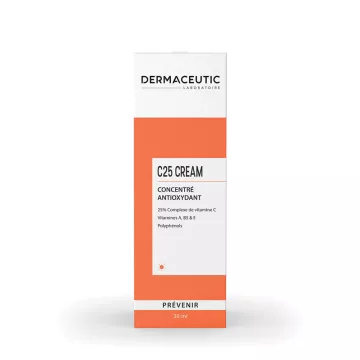
Five steps form the foundation of an effective morning routine. Cleanse the skin with a gentle product to remove impurities and sebum that have built up overnight. Apply an alcohol-free lotion or toner to rebalance the skin and prepare it for further skincare. Use a hydrating serum rich in antioxidants, such as vitamin C, to protect the skin against oxidative stress. Moisturize with a cream suited to your skin type to support the skin barrier. Protect your skin with a broad-spectrum sunscreen with an SPF of 30 to 50+ to prevent photoaging and preserve the skin’s radiance over time.
Diet visibly influences the quality of the complexion. Changes in diet are reflected in the skin over a period of several weeks to several months, as part of a long-term process.
For a fresh complexion, prioritize foods rich in vitamins and minerals. Fresh fruits and vegetables, which are sources of vitamins A, C, and E as well as polyphenols, are particularly beneficial. Omega-3 fatty acids found in fatty fish (salmon, mackerel, sardines), flaxseeds, and nuts help maintain skin suppleness and the quality of the hydrolipidic film. Limit foods with a high glycemic index (refined sugars, highly refined starchy foods) and ultra-processed products, which can promote skin inflammation in certain sensitive skin types. A balanced digestive system also supports the appearance of the face.
Several natural ingredients are known to promote a radiant complexion. Their benefits are best appreciated when used as a complement to a structured skincare routine.
Honey, which is moisturizing and softening, can be used in homemade masks on comfortable skin.Aloe vera, which is soothing and moisturizing, supports sensitive skin and is ideal for after-sun care. Niacinamide (cosmetic vitamin B3) is one of the best-tolerated active ingredients for evening out the complexion.Rosehip oil, rich in essential fatty acids and natural vitamin A, supports skin regeneration. Turmeric is used in formulations designed to promote skin comfort. Important precaution: Lemon applied directly to the skin is photosensitizing and can cause phytophotodermatitis (pigmenting burns) after sun exposure; it should not be applied undiluted to the face.
Regular exfoliation removes dead skin cells that have accumulated on the skin’s surface and reveals a fresher complexion. When done in moderation, it also improves the absorption of moisturizing and nourishing skincare products.
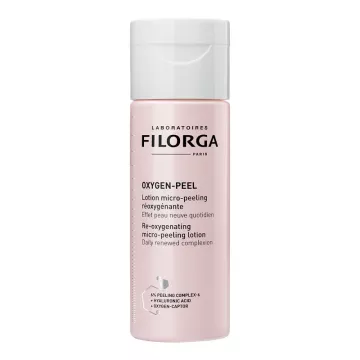
The recommended frequency depends on your skin type. For normal to oily skin, one to two exfoliations per week with a mild acid (AHA, BHA) are effective. For sensitive skin, a gentle weekly exfoliation using an enzyme scrub is preferable. Exfoliation should always be followed by intense moisturization and strict sun protection in the days that follow, as exfoliating acids make the skin more sensitive to UV rays. Avoid over-exfoliation, which weakens the skin barrier and causes redness and, paradoxically, tightness. The gentle peel selection offers suitable products.
Certain habits undermine efforts to achieve a fresh complexion. Identifying them allows you to quickly improve skin quality.
Lack of sleep is one of the most direct causes of a tired complexion and pronounced dark circles: nighttime is the primary period for cellular regeneration. Chronic stress exacerbates conditions prone to breakouts, eczema, or redness through the release of cortisol.Unprotected sun exposure—even indoors near a window—causes dark spots, photoaging, and an uneven complexion. Smoking yellowed the complexion, weakens the skin’s microcirculation, and accelerates aging. Excessive alcohol consumption dehydrates the skin and contributes to persistent redness. Failing to remove makeup properly and using products unsuitable for your skin type round out the list of pitfalls to avoid.
The evening routine is arguably even more important than the morning one. It determines the quality of skin regeneration overnight.
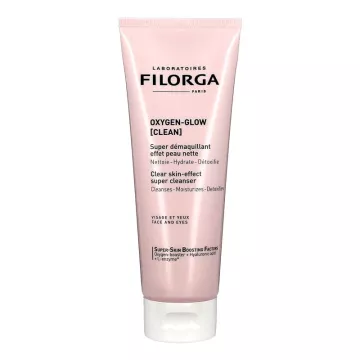
Start with thorough makeup removal using the double-cleansing method: an oil-based makeup remover (oil, balm, or two-phase remover) to dissolve pigments, sunscreens, and long-wearing foundation, followed by a gentle water-based cleanser to remove any residue. Apply an alcohol-free toner if necessary. Use a targeted repair serum as needed: a cosmetic retinoid for cell renewal (alternating with daytime use to counteract photosensitivity), hyaluronic acid for plumping, or peptides for elasticity. Finish with a nourishing night cream that supports nighttime skin regeneration. A specific eye contour treatment usefully complements the routine.
Hydration is one of the simplest and most effective ways to achieve a fresh complexion. Hydrated skin is more supple, smoother, and looks visibly more rested.
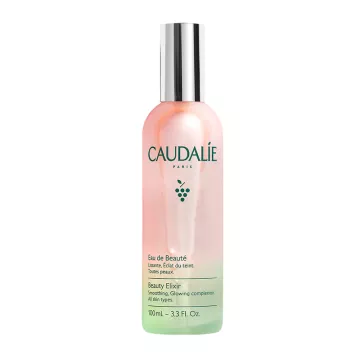
Internally, drinking between 1.5 and 2 liters of water per day (adjusted according to activity level, heat, and medical conditions) supports skin hydration from within. Externally, use moisturizing topical products in the morning and evening that are suited to your skin type. Key active ingredients: hyaluronic acid, which retains water in the superficial layers; glycerin and urea at low concentrations as humectants; ceramides and squalane to strengthen the skin barrier; light plant oils (jojoba, argan) to limit transepidermal water loss. Mist withthermal water throughout the day if you’re exposed to prolonged air conditioning or dry heat. The hydration category includes the complete selection.
Chronic stress visibly affects the quality of the complexion through several well-documented physiological mechanisms. Managing stress is an integral part of a strategy for a fresh complexion.
Prolonged cortisol release can increase sebum production, weaken the skin barrier, exacerbate blemish-prone skin, and promote low-grade inflammation. Stress also disrupts restorative sleep and contributes to a dull complexion. To counter these effects, incorporate calming practices into your daily routine: yoga, meditation, mindful breathing exercises, walking outdoors, and regular physical activity. Adopt good sleep hygiene (regular bedtimes, no screens in the evening, a cool and dark bedroom). If needed, a soothing skincare routine with masks and gentle products can make your face look more relaxed. Long-term stress management may sometimes require professional support (from a doctor or psychologist) if the effects are persistent.
Choosing products suited to your skin type directly affects the results. An unsuitable product can worsen the condition rather than improve it, even if it is of high quality in itself.
For oily skin, opt for sebum-regulating, non-comedogenic products that don’t weigh down the skin. For dry skin, choose skincare products richer in ceramides, glycerin, plant oils, and plant butters. For combination skin, use balancing skincare products tailored to each specific area. For fragile and sensitive skin, choose simple, fragrance-free formulas that have been dermatologically tested. Identifying your skin type can take time: observing how your skin behaves 4 hours after your morning cleansing routine (shininess, tightness, reactive areas) already provides good clues. A pharmacist or dermatologist remains the best person to consult for guidance on tailoring your skincare routine to your specific needs.
Diet acts as a foundation for skin health. Its effects build up over time and effectively complement topical skincare products.
A diet rich in fruits, vegetables, lean proteins, and essential fatty acids visibly improves skin texture and radiance over the course of several weeks. Avoiding highly processed foods and refined sugars reduces inflammation and can help limit breakouts in those with sensitive skin. Incorporate antioxidant-rich foods: berries (blueberries, raspberries, pomegranates), walnuts and almonds, leafy green vegetables, colorful vegetables (bell peppers, cooked tomatoes, carrots), and green tea. These nutrients protect the skin from oxidative damage and support cell renewal. A balanced digestive system, supported by a diet rich in fiber and fermented foods, also contributes to a more even complexion.