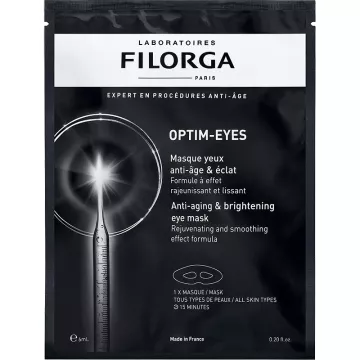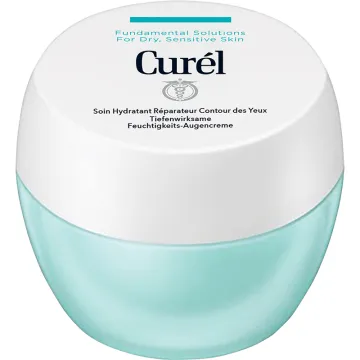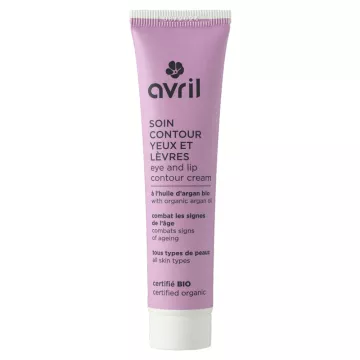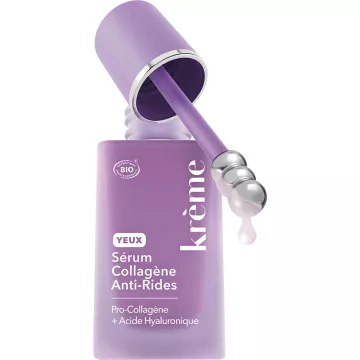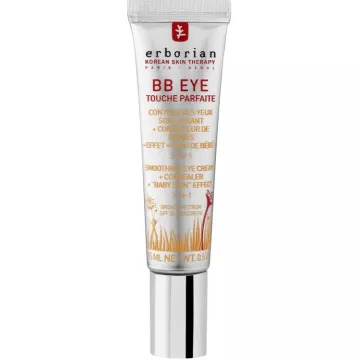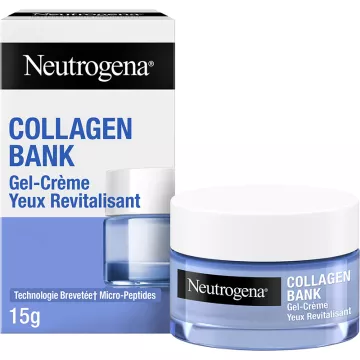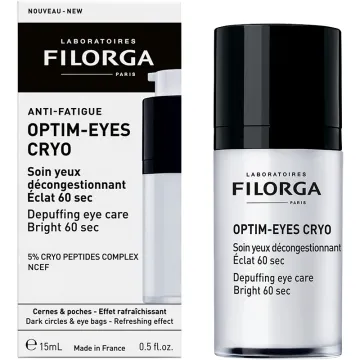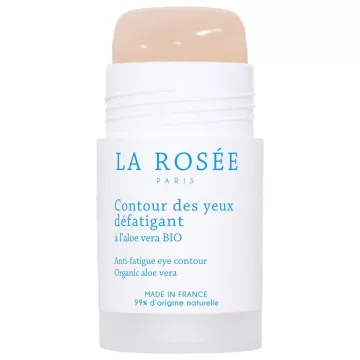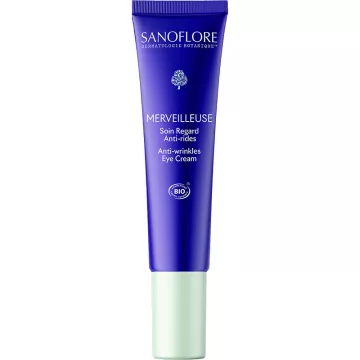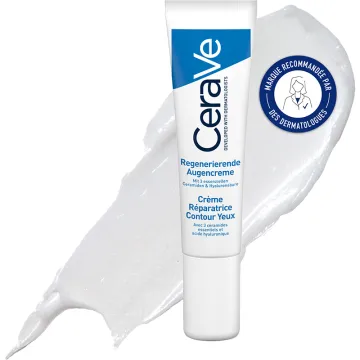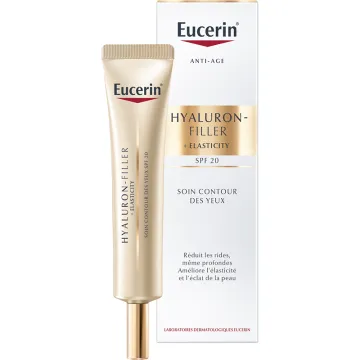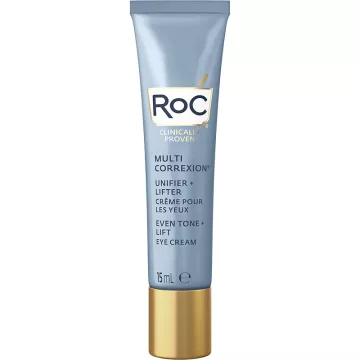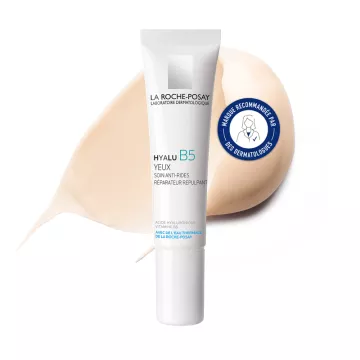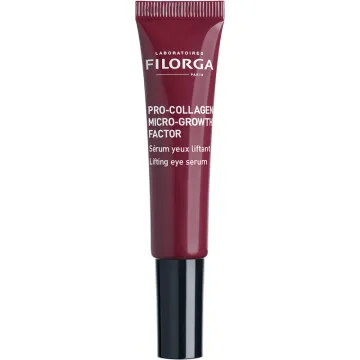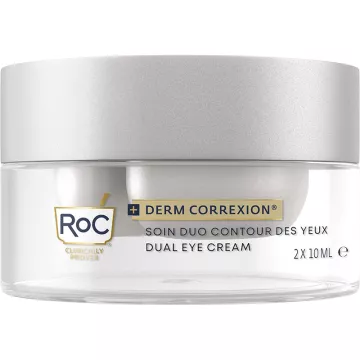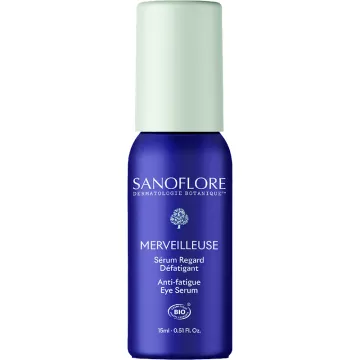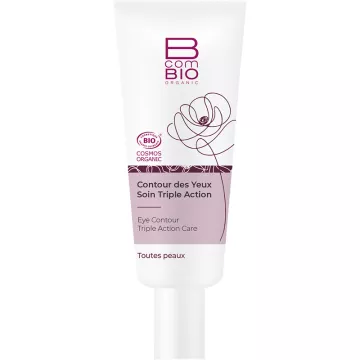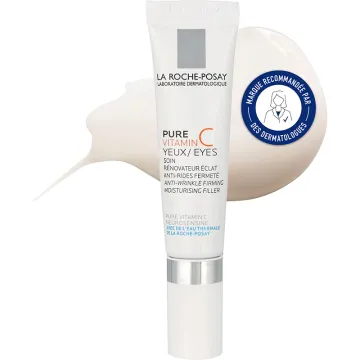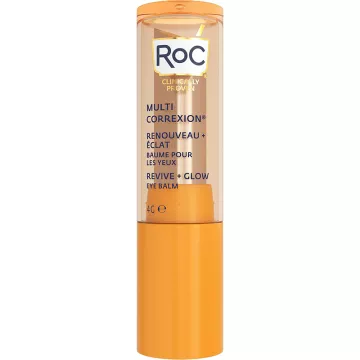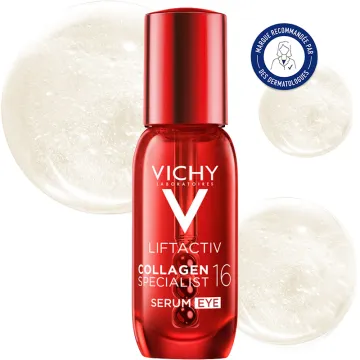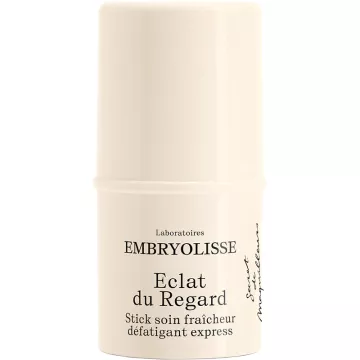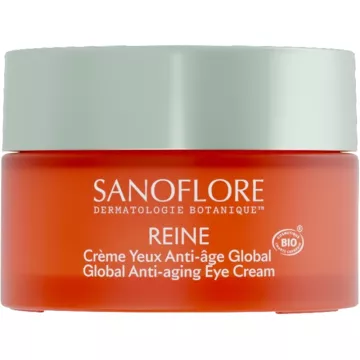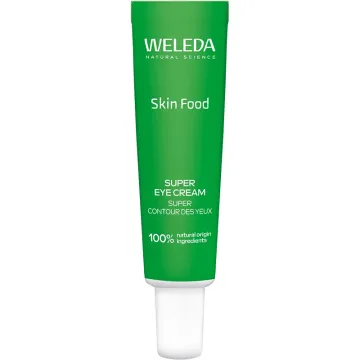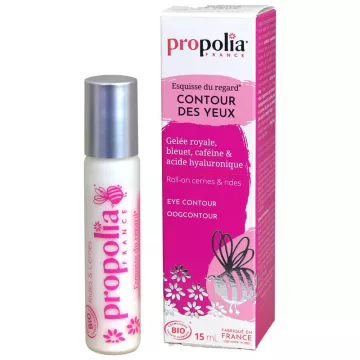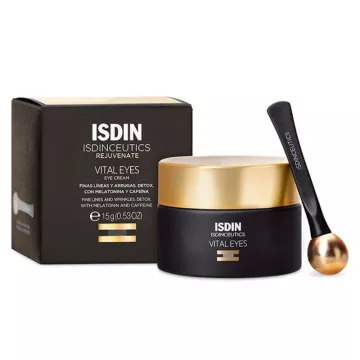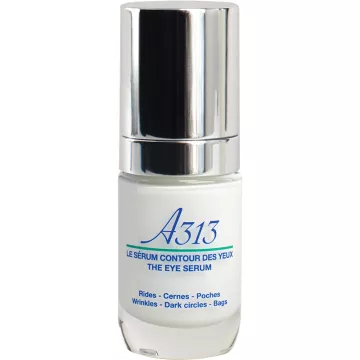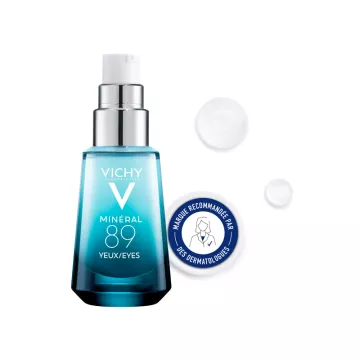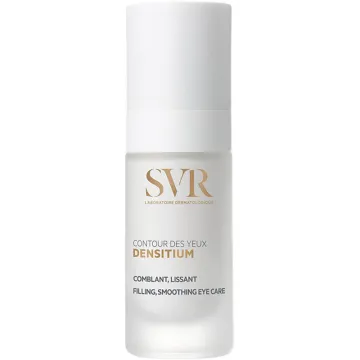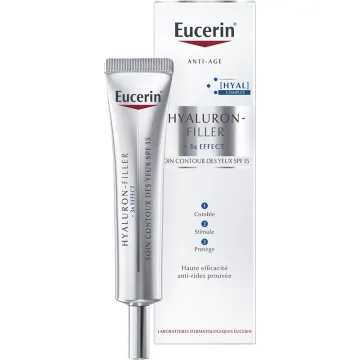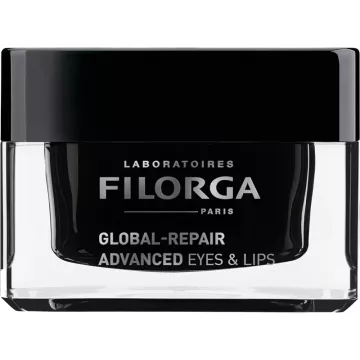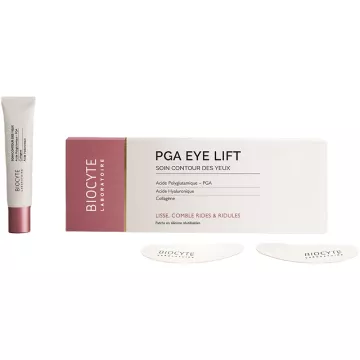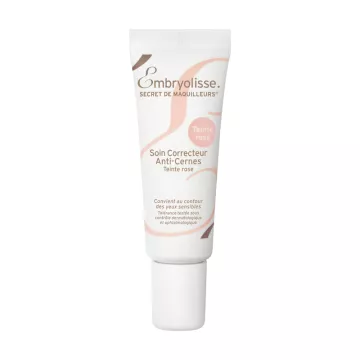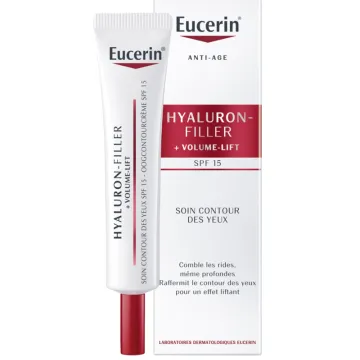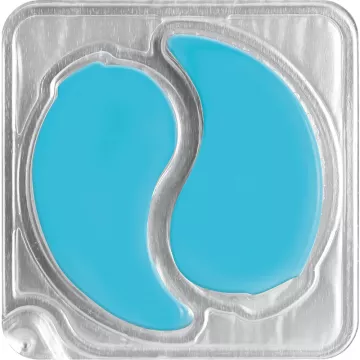
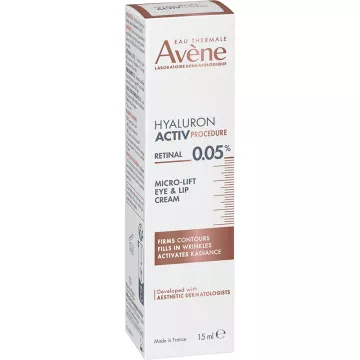
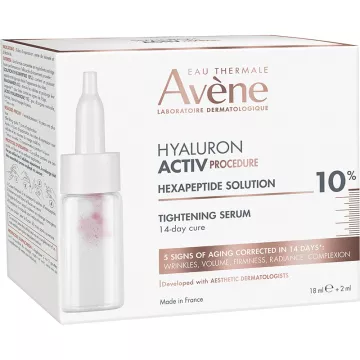
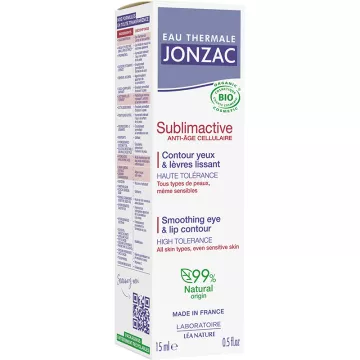
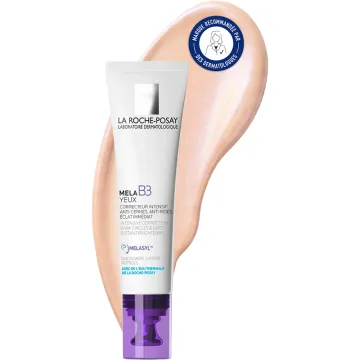
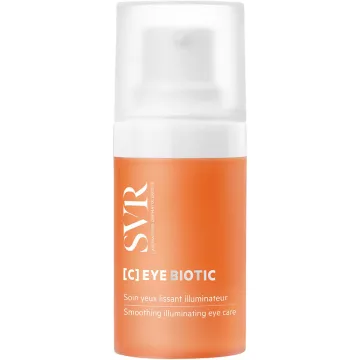
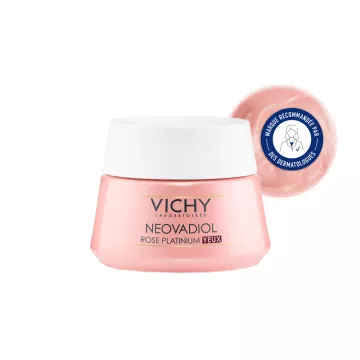
The choice of texture for the eye area determines the effectiveness and comfort of the treatment. Gel is suitable for combination to oily skin and for morning use—its light texture doesn’t weigh down the eyelid and serves as a base under concealer. Cream is suitable for dry skin and nighttime care—it nourishes the weakened periorbital lipid barrier. Eye serums (active ingredients concentrated in a lightweight formula) deliver high concentrations of active ingredients (hexapeptides, retinal, vitamin C) but require an SPF applied over them. The eye mask (Filorga Optim-Eyes) is an intensive, on-demand treatment—its decongesting effect is visible in 10 to 15 minutes on mornings when you’re feeling particularly tired.
Less well-known than peptides or retinol, organic silicon (methylsilanol monomannuronate or stabilized orthosilicic acid) activates fibroblasts via silicic acid receptors, stimulating the synthesis of type I and III collagen and elastin. Clinical studies show improved skin elasticity and a reduction in periorbital wrinkles after 8 to 12 weeks—its dual topical and oral action makes it one of the most effective “inside-out” active ingredients for mature eye contours.
Periorbital venous stasis is one of the main mechanisms behind dark circles and morning puffiness. Ginkgo biloba (EGb 761, 24% flavonoids + 6% terpenes) improves peri-orbital venous and lymphatic microcirculation by inhibiting platelet aggregation, improving erythrocyte deformability, and inhibiting PAF. Its flavonoids simultaneously protect the delicate periorbital skin from daily UV stress.
The EGCG in green tea inhibits MMPs responsible for the breakdown of collagen and elastin, activates DNA repair pathways in photo-damaged keratinocytes, and inhibits NF-kB to reduce chronic skin inflammation. Its topical bioavailability is well-documented—according to some comparative studies, its antioxidant activity on the periorbital skin is superior to that of vitamin E.
The phospholipids in soy lecithin (phosphatidylcholine, phosphatidylethanolamine) integrate into the lipid bilayers of the peri-orbital stratum corneum, repairing the structural gaps responsible for transepidermal water loss. Its isoflavones (genistein, daidzein) exert a mild phytoestrogenic effect that supports collagen synthesis in mature skin—particularly relevant for the eye area of postmenopausal women.
The routine should be tailored to the priority needs of each decade. Before age 35: a lightweight hydrating gel (hyaluronic acid, glycerin) morning and night, plus SPF 50 during the day. Ages 35–50: eye contour serum (peptides, hexapeptides, 0.05% retinal—introduced gradually) at night + a light gel or cream in the morning under SPF. After age 50: a rich cream (ceramides, organic silicon, marine collagen) at night + an active serum in the morning. Eye care products feature formulas specifically designed for hydration and immediate comfort, complementing intensive anti-aging treatments.