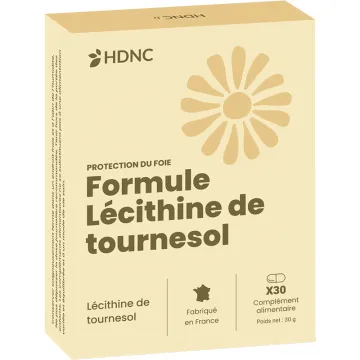
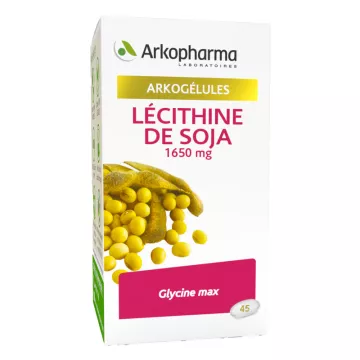
Soy lecithin is a natural mixture of phospholipids extracted from soybeans. Rich in phosphatidylcholine, phosphatidylserine, and essential fatty acids, it is used in both dietary supplements and cosmetics for its emulsifying and nourishing properties.
What is soy lecithin?
Soy lecithin is a natural phospholipid derived from soybeans. Its phosphatidylcholine is a precursor to choline, a nutrient recognized by the EFSA for its role in normal lipid metabolism and the maintenance of normal liver function. Its amphiphilic structure gives it emulsifying properties that are useful in cosmetic formulations and dietary supplements.
What are the benefits of soy lecithin?
Its uses are based on documented nutritional functions.
- Source of choline: contributes to normal lipid metabolism and the maintenance of normal liver function (EFSA)
- Provides polyunsaturated fatty acids naturally found in soybeans
- Contributes to digestive comfort through its emulsifying action on dietary fats
- Traditionally associated with supporting mental vitality, particularly during periods of mental fatigue
In what forms should soy lecithin be used?
It is available in several dosage forms suited to different uses.
- Granules or powder: to be diluted in a beverage or mixed into cold food; this is the most bioavailable form
- Capsules or tablets: precise dosage, convenient for daily use; follow the dosage instructions on the package insert
- Liquid: rapid absorption, often used in cosmetics
Is soy lecithin good for the skin?
In cosmetics, soy lecithin is a natural emulsifier valued for its moisturizing properties.
- Strengthens the skin barrier and helps prevent dry skin from becoming even drier
- Supportshydration and improves skin texture
- Can be incorporated into creams, lotions, and hair care products for their phospholipid content
How do you choose high-quality soy lecithin?
The product’s quality determines its active ingredient content.
- Organically grown, GMO-free, and pesticide-free
- Certified phosphatidylcholine content, a key indicator of concentration
- Free of chemical additives and unnecessary excipients
- Stored in a cool, dry place to preserve its properties
Are there any contraindications for soy lecithin?
Although generally well tolerated, it does require some precautions.
- Soy allergy: contraindicated; although lecithin contains few allergenic proteins, the risk persists
- Thyroid disorders: Soy may interfere with iodine absorption; consult a doctor
- Mild digestive issues may occur at high doses; increase dosage gradually
- Not a substitute for medical treatment in cases of severe hypercholesterolemia
- Pregnancy and breastfeeding: as a precaution, consult a healthcare professional