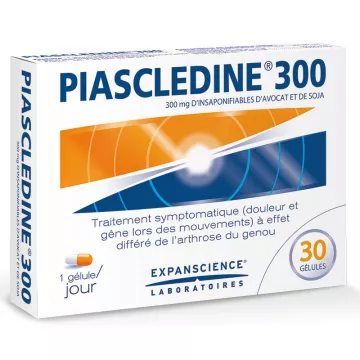
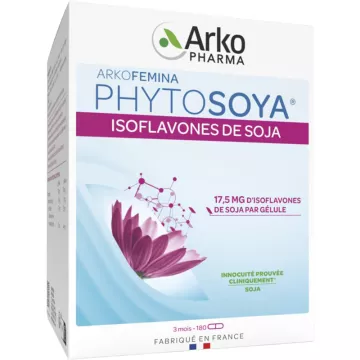
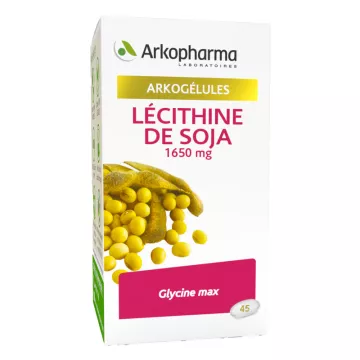
Soy (Glycine max) is a legume native to Asia, rich in complete plant proteins, isoflavones, and essential fatty acids. In health food stores, it is most commonly found in the form of isoflavone supplements, soy protein, lecithin, and oil. Its isoflavones are phytoestrogens whose effects are a subject of debate: their use requires caution and, in some cases, medical advice.
Soy is a legume whose seeds are rich in protein, isoflavones, calcium, magnesium, and fatty acids. Popular in vegetarian and vegan diets, it is available in various nutritional forms and as dietary supplements.
Soy is a nutrient-dense food whose benefits stem from its composition.
In health food stores, soy is available in forms tailored to specific needs.
Soy isoflavones, or phytoestrogens, are traditionally associated with alleviating menopausal symptoms, such as hot flashes. However, their effectiveness remains debated: the EFSA has not validated any claims, and ANSES advises caution regarding the consumption of isoflavones.
Due to their hormone-mimicking effects, isoflavones are not recommended for individuals with a history of hormone-dependent cancer: medical advice is essential before starting any treatment.
Soy is one of the few plant-based proteins to contain all the essential amino acids, with approximately 36 g of protein per 100 g of seeds.
Although nutritious, soy requires careful consideration, especially in concentrated forms of isoflavones.
ANSES recommends limiting isoflavone intake, particularly in children and pregnant women. A severe allergic reaction (swelling of the face or throat, difficulty breathing) may indicate angioedema: this is a medical emergency; call 15 or 112. Content reviewed by Arnaud, Ph.D. in Pharmacy.