Contrary to persistent misconceptions, strength training is one of the most beneficial activities for women. It does not cause excessive muscle gain in women, as their testosterone levels are naturally 10 to 15 times lower than those of men. On the contrary, it improves body composition (increased lean mass, reduced body fat), bone density, insulin sensitivity, and self-confidence. During menopause, the drop in estrogen accelerates bone and muscle loss: strength training is therefore the most well-documented intervention for slowing these two processes and maintaining quality of life.
The WHO recommends strength training for all adults over the age of 65, at least twice a week. Sarcopenia (age-related muscle loss) begins around age 40 and accelerates after age 60, leading to a loss of strength and balance that increases the risk of falls and fractures. Strength training tailored for seniors stimulates muscle protein synthesis, improves bone density (preventing osteoporosis), strengthens stabilizing muscles, and boosts immune resilience. Light to moderate weights, performed with proper technique, are sufficient to induce significant adaptations even in people in their 80s.
Paradoxically, strength training is one of the most effective interventions for chronic joint pain (low back pain, knee osteoarthritis, hip osteoarthritis), provided it is performed gradually and under supervision. Strengthening the periarticular muscles reduces stress on the cartilage and improves joint stability. Clinical studies on chronic low back pain show that a strength training program reduces pain to a degree comparable to anti-inflammatory medications, without their side effects. Omega-3 EPA/DHA, taken concurrently, reduce systemic joint inflammation and improve comfort during workouts.
Regardless of the sport, strength training improves performance by developing transferable physical qualities:
Protein (1.6 to 2.2 g/kg/day) and vitamin D support these adaptations. A vitamin D3 deficiency—common among athletes who train indoors—is associated with a significant reduction in muscle strength and maximum power.
Yes, provided you follow the principles of progressive overload and vary your exercises sufficiently. The minimum equipment needed for effective strength training at home:
Bodyweight exercises (push-ups, squats, lunges, core exercises) already offer significant potential for progress for beginners. Consistency and gradual progression are key to results, not the amount of equipment.
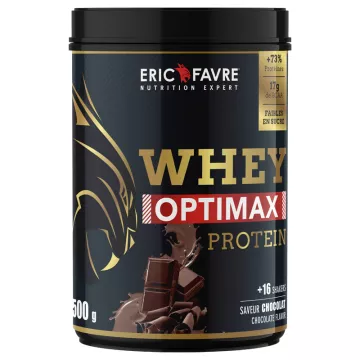
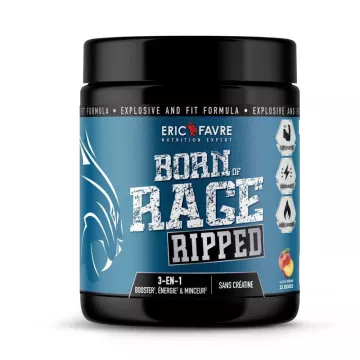
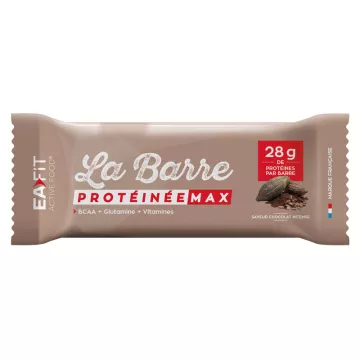
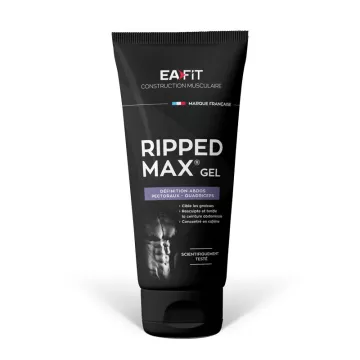
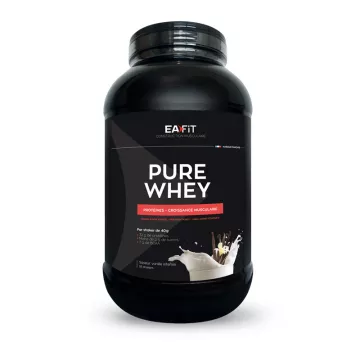
No—supplements are no substitute for a balanced diet and a rigorous training regimen. However, they can help meet nutritional needs that are difficult to achieve through diet alone:
A nutritional assessment with a healthcare professional is the best way to identify actual deficiencies before investing in supplements.